Wednesday, May 20, 2009

1960 Harley

Seen in Miami's street today is this Harley Davidson. I think it is the FL-74" Duo-Glide "PanHead," a cool cat of a ride. The leather trimming time travels back to the 60's of Midnight Cowboy fame. This ride is perfect in Miami if it doesn't rain. But later tonight, it will be a bit stormy as a low pressure system is moving into the Gulf of Mexico. Folks, hurricane season is HERE, very soon!

Tuesday, May 19, 2009

Happy BDay, Love

This billboard's mission is to promote the good life in Coconut Grove, contrasting its life style with all the pressure one feels every single day as cleverly depicted in the sticky notes. I wish I could do today what I really want to do, like having a secluded lunch in the Grove... Alas, that is not to be!

Monday, May 18, 2009

Swinging in the Breeze

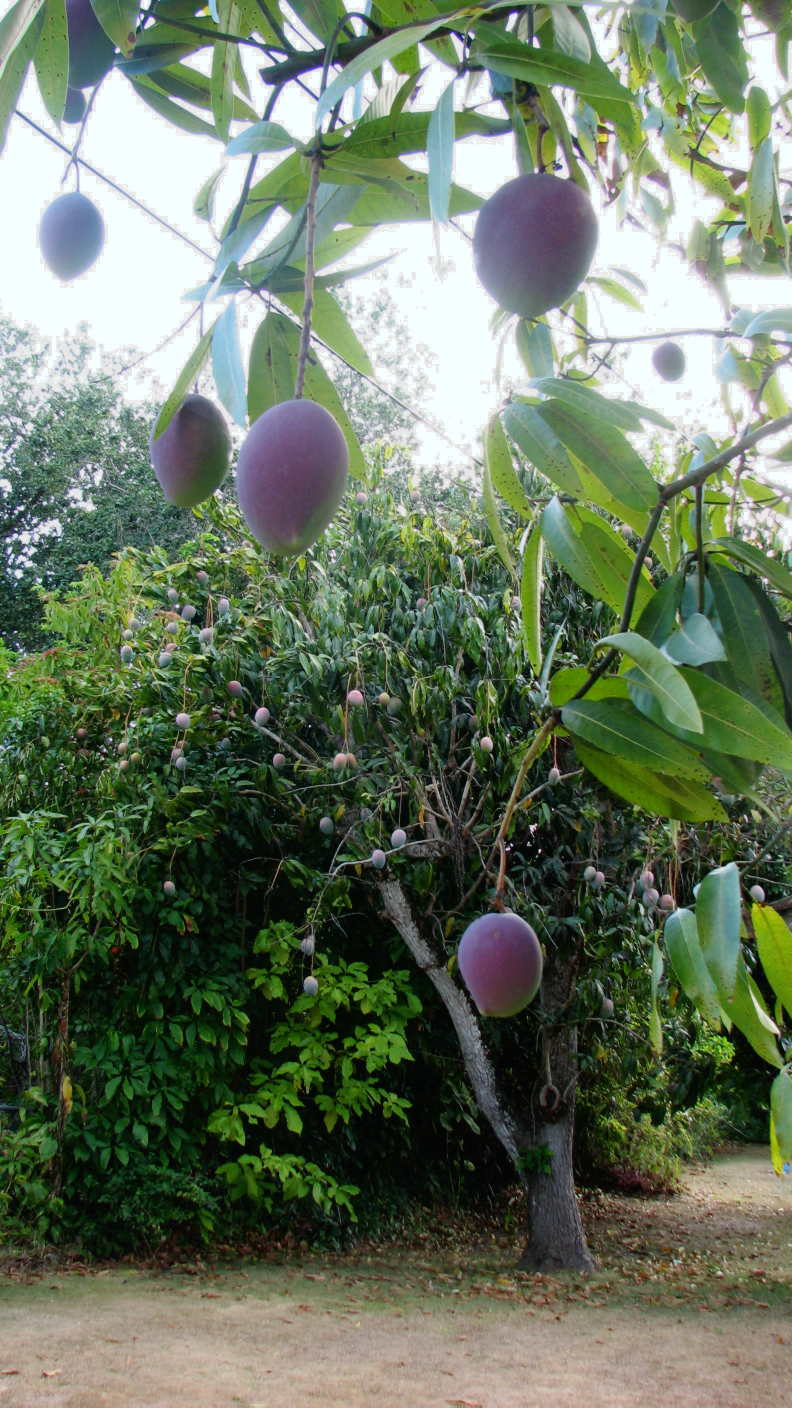
It's nice to watch the hanging mangoes on their trees swinging with the breeze. Here is a shot of the Zill in the foreground, showcasing the reliable Keitt mango tree that bears delicious large fruits year after year. The fruits look small now but they have a few more months to bake under the sun and mature in September.

Sunday, May 17, 2009

Yellow on Blue

Yellow poinciana (Delonix regia var "Goldiana?")(Note: Blog edited to correct for scientific name of royal poinciana) is a very showy flowering tree up to 50' tall, with wide-spreading branches that form an umbrella-like crown up to 25' across. It is also known as the yellow flame tree, copper-pod or yellow flamboyant tree. This tree is native to coastal areas from Sri Lanka through the Malay archipelago and Indonesia to northern Australia. Years ago, I saw a yellow poinciana for the first time in Bermuda, and was looking for it in Miami, and found them one after another by discovery over the years. I tried to grow a tree from seed but I was all thumbs, and never succeeded. Then I learned that...

Propagation of yellow poinciana is by seeds that must be treated before they will germinate. In nature, the seeds would have passed through the gut of a bird or mammal before germinating in a pile of rich "compost." People in the know simulate that process with scarification (use a file or sandpaper, just like for a lotus seed), or a two-minute immersion in dilute acid or boiling water. This beautiful tree is from a seed pod I had given to a friend's son who has green thumbs. This young boy germinated half a dozen trees without breaking a sweat. He must have known the secret cited above. It's still early so this tree is not in full bloom, but I couldn't wait to take this shot today.

Saturday, May 16, 2009

MacArthur Causeway

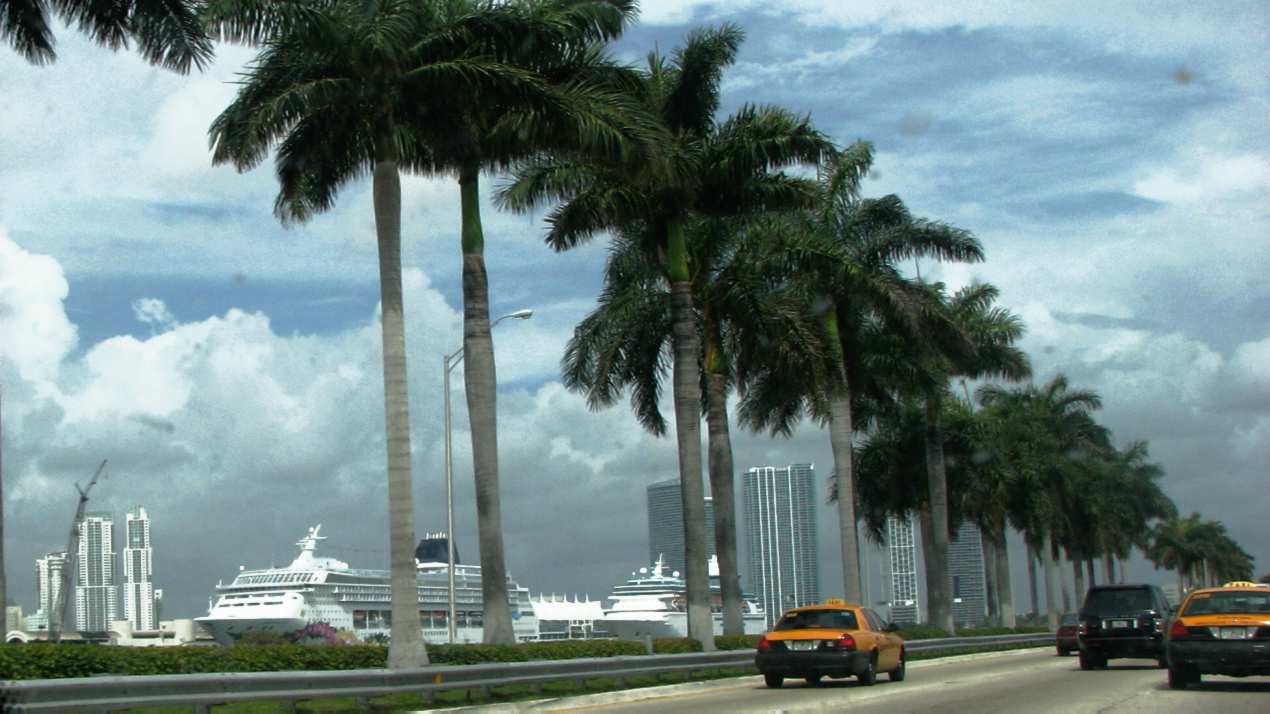
The MacArthur Causeway (SR-41) connects Miami to Miami Beach. Here, heading West toward Miami, it parallels the Port of Miami where cruise ships get ready to leave their berths at Dodge Island and sail the oceans blue every weekend.

Friday, May 15, 2009

Downtown

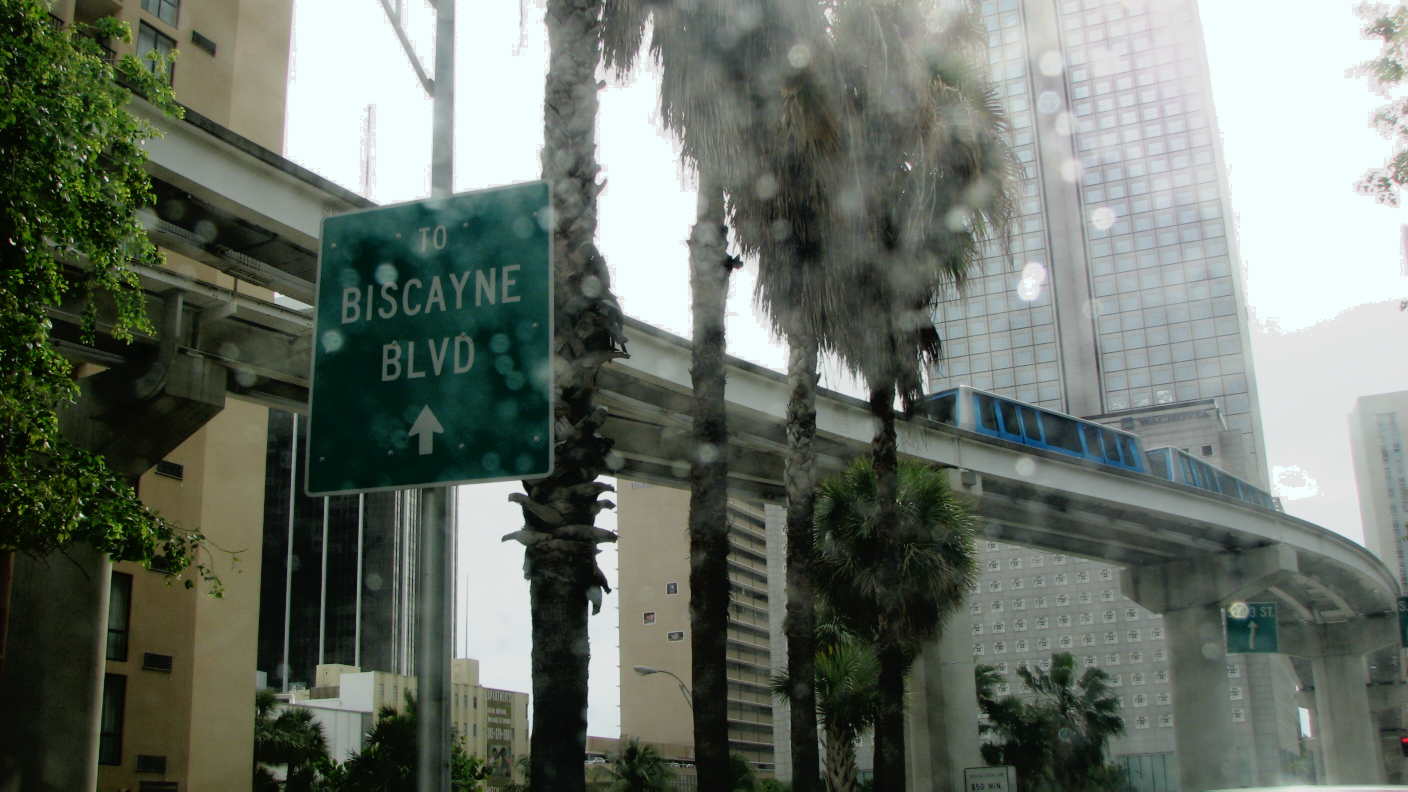
I-95 exit to Biscayne Boulevard. Lots of construction is ongoing in this area today. Snaking high above is the Metro mover that supplements the Metro rail public transit system in Miami. A few drops of rain this morning won't do a thing to the current drought.

Thursday, May 14, 2009

Names Named

This is the Bunty Cesarano fountain at the Patrick Cesarano plaza at UM's school of Business and Administration. The Cesarano family supports their UM alma mater with millions of US dollars over the years and earned their recognition in this beautiful corner of the campus.

Wednesday, May 13, 2009

Hayden Heaven

The mango, Mangifera indica, of the family Anacardiaceae, is native to southern Asia, especially Burma and eastern India. It spread early on to Malaysia, eastern Asia and eastern Africa. Mangoes were introduced to California (Santa Barbara) in 1880. The mango exists in two races, from India and from the Philippines and Southeast Asia. The Indian race is intolerant of humidity, has flushes of bright red new growth that are subject to mildew, and bears fruits of high color and regular form. The Philippine race tolerates excess moisture, has pale green or red new growth and resists mildew.

Hayden was the first superior mango selected and named in Florida. The flesh has a full sweet flavor, and it is of excellent eating quality. The fruit is eye catching having a deep yellow base with a crimson blush when ripe. The tree is a vigorous large grower with an open rounded canopy. The fruits are susceptible to spotting caused by fungus, and they tend to ripen from the inside out becoming slightly soft around the seed. The Hayden remains an excellent variety that requires the space for a medium to large tree. The fruit ripens from June to July. If picked at the right time from the trees, they ripen gracefully in a few days. Unpicked, the mangoes drop and ripen on the ground but may get bruises from the fall.

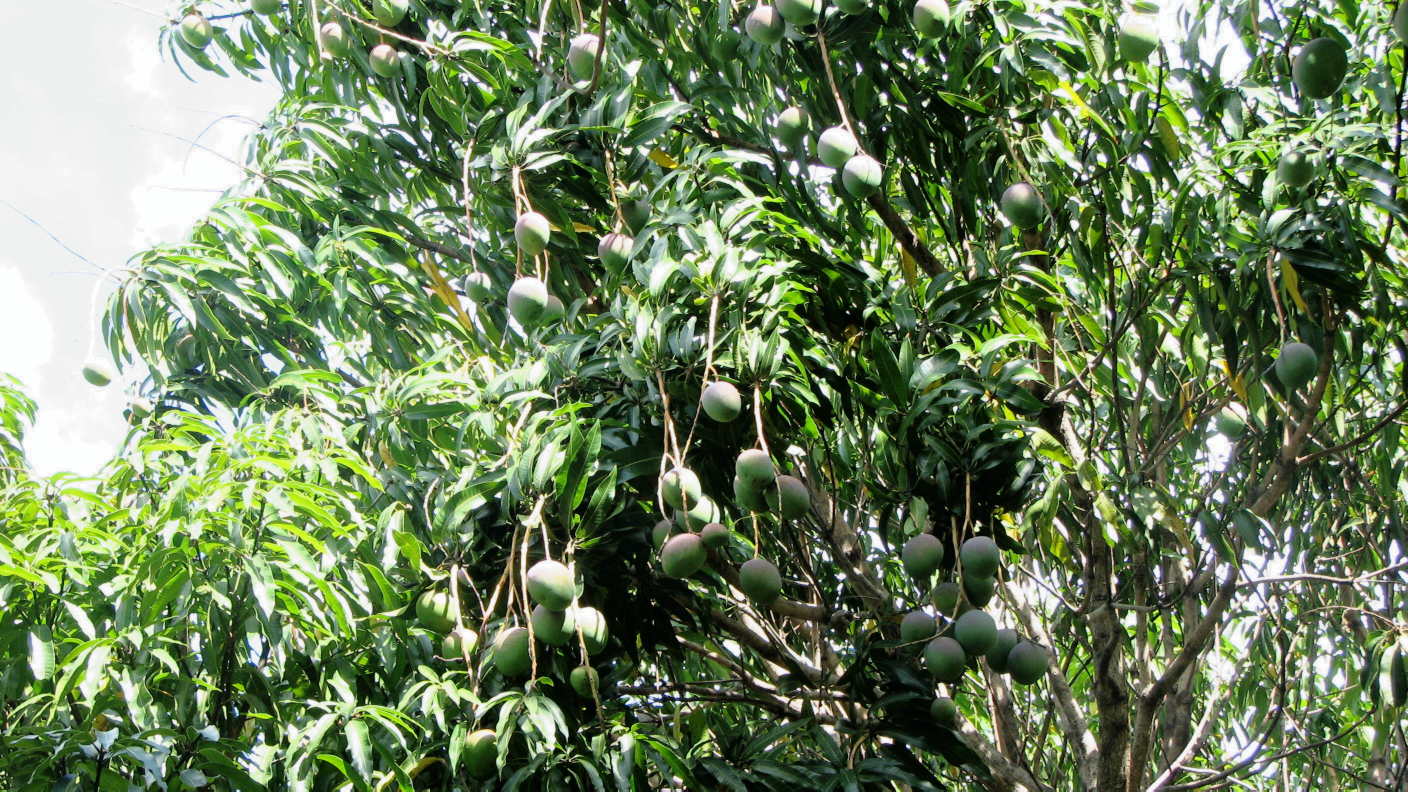
I visited my friend's mango trees this morning. As expected, this year produces a great crop. These are Hayden mangoes. Oh so good! I got myself a couple of baskets full and they will last me about 1 day.

Tuesday, May 12, 2009

Creepy Invasion

Ficus pumila, from the family of Moraceae (mulberry family) is native to China, Vietnam, and Japan. It has an alternate name of Ficus repens, and is commonly known as climbing or creeping fig. Tog has shown this vine on his blog, but this photo shows you how a big building such as the Sunset Place in Miami can be covered with a thick green blanket. Notice that the two palm trees are also invaded by this vine. Somehow, these palms are trying to get away from the walls, to no avail!

This aggressive but beautiful evergreen vine is a relative of the edible fig, Ficus cariaca, but bears little resemblance to its cousin. Creeping fig is an enthusiastic climber able to scramble up vertical surfaces 3 and 4 stories tall with the aid of a powerful adhesive. This vine coats surfaces with a tracery of fine stems that are densely covered with small heart shaped leaves that are 1 inch long by about .75 in (2 cm) wide, they are held closely to the surface creating a mat of foliage that extends barely 1 in (2.5 cm) from the surface. These are the juvenile leaves. Once the vine has reach the top of its support it will begin to form horizontal branches on which adult foliage is borne. Adult leaves are held alternately in two rows along these branches. They are more leathery than the juveniles, and are dark green, and about 3 in (7.6 cm) long by 2 in (5 cm) wide. The fruit is a fig. These are borne only on the horizontal stems, they are pale green in color and about 3 in (7.6 cm) long by 2.5 in (6.4 cm) wide.

Do not plant near wooden structures as these surfaces are damaged by the adhesive produced by the vine. Consider this a high maintenance plant when grown on structures as pruning will be required several times a year to remove growth from windows, roofs, etc. as the vine relentlessly coats everything it encounters in a green blanket. Yes, it will enter your home and invade the interior too if left to its natural course. If that happened to you, a glyphosate herbicide application will kill this creeping vine to the ground, leaving a giant mess for cleaning up. Finally, this plant made it to several scientific publications reporting on poisonous or hazardous plants. At the least, it was found that this fig ivy causes irritation to the skin and eyes.

I wonder... if allowed to take over a roof, will it stop leaks and reduce cooling cost in Miami??? Nah! It will invade the roof crawl space for sure! Bad idea!


Monday, May 11, 2009

Red Paint

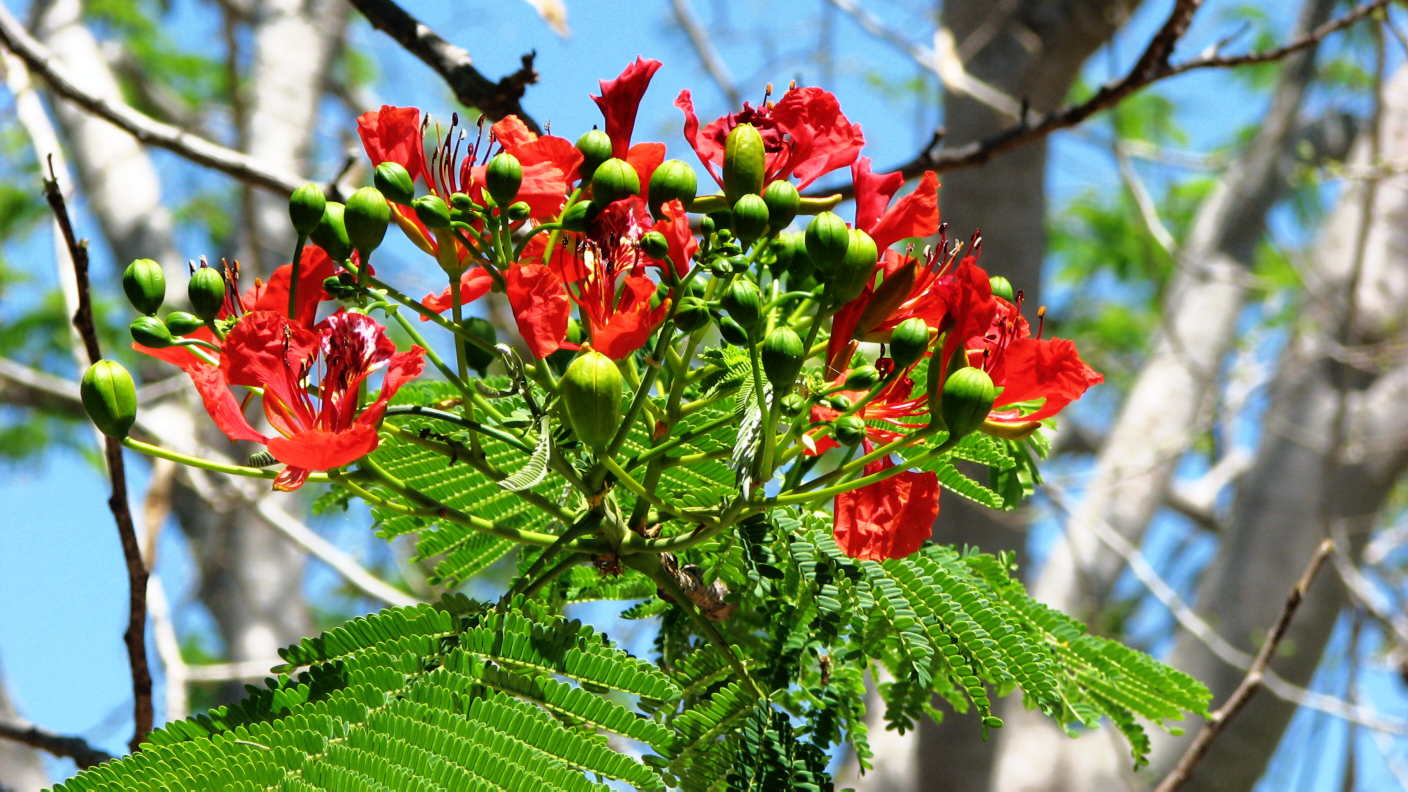
The Miami Royal Poinciana (Delonix regia) trees are in bloom early this year, consequence of a prolonged drought. The net result will be a spectacular blooming season this year that is starting now. The older the trees, the more intensely they will bloom. Let's paint the city red!

Sunday, May 10, 2009

Bike Patrol

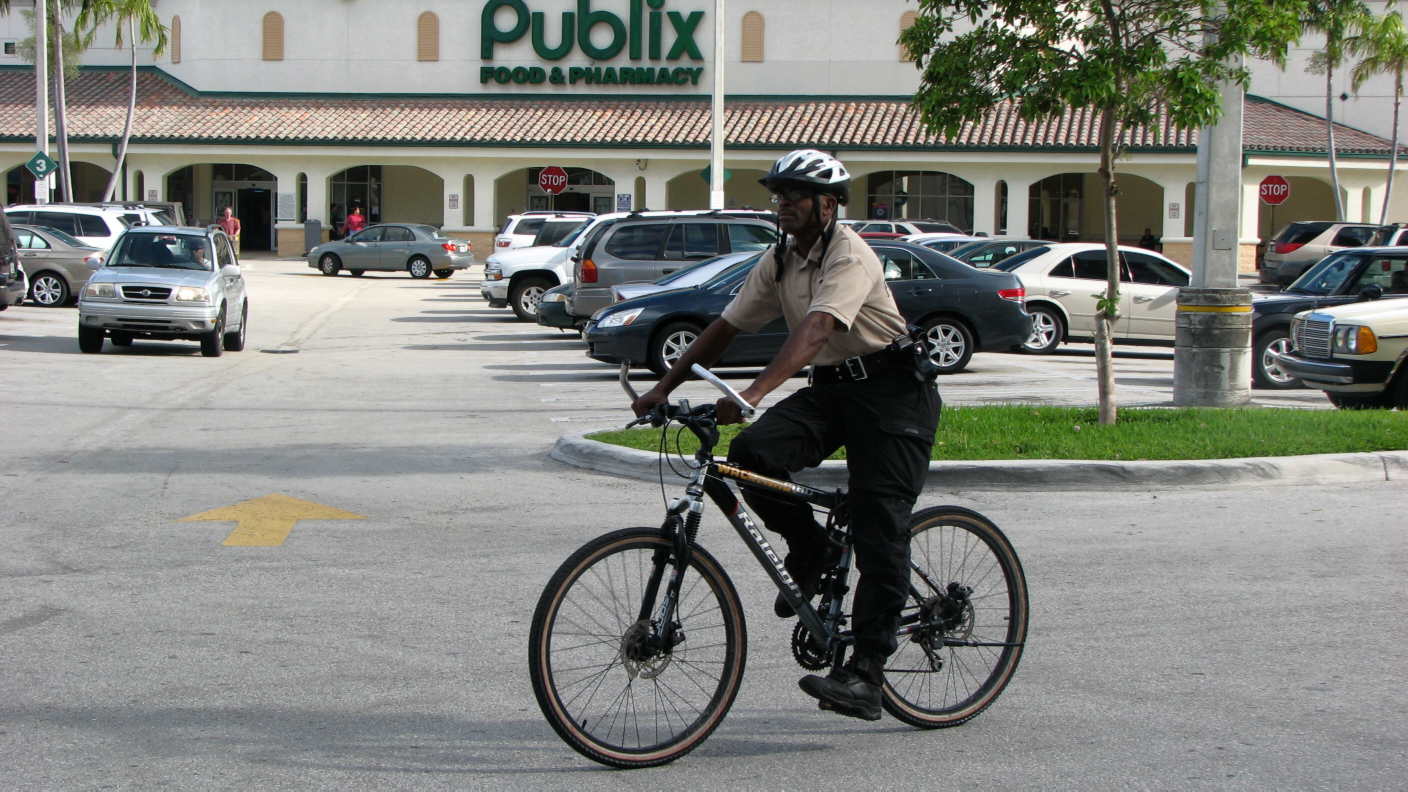
Security and law enforcement are high priority concerns in public locations such as the parking lots of this grocery store. The preferred mode of transportation here is by bike. I think besides keeping an eye on illegal activities, these officers enforce illegal parking that may overflow from neighboring businesses.

Saturday, May 9, 2009

High Risk Low Pay

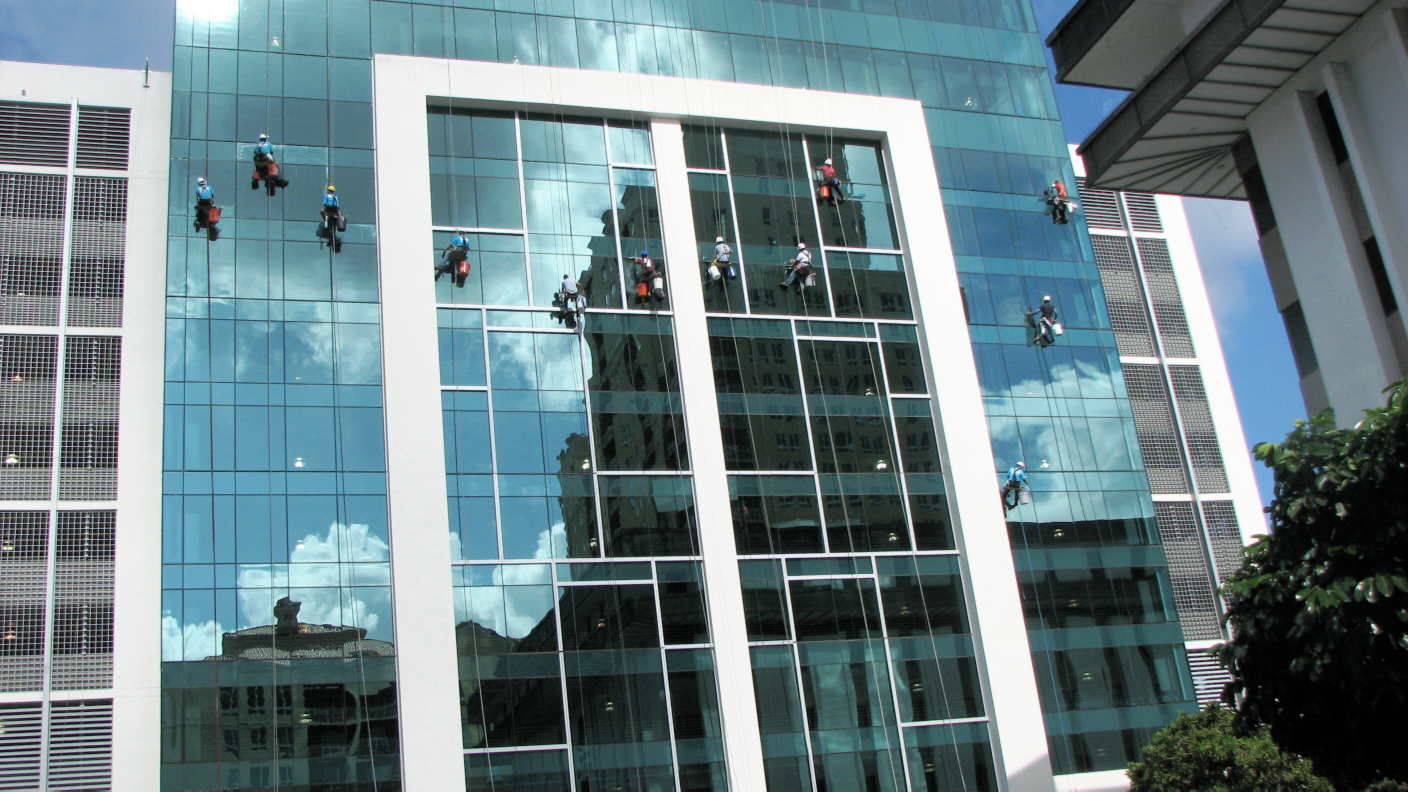
Falls from height are the foremost risk for window cleaners. Unlike in Scotland, there is no government licensing in The United States, England or Wales - this means anyone can claim to be a window cleaner. Window cleaning is considered the most dangerous job in many countries with high rises. Rainy days are considered too dangerous to deploy this kind of work force. But windows must be cleaned during the winter months. In cold climate, that's a serious work hazard.

On this glorious early Miami Saturday morning, a team of 12 workers finishing up this shiny face of the TownCenter One building ready for business to move in. You'd think this is a high paying job but it's not. It usually pays low salaries and many workers may come from the minimum wage or illegal labor pool. Another sad fact of life.

Friday, May 8, 2009

In Your Face

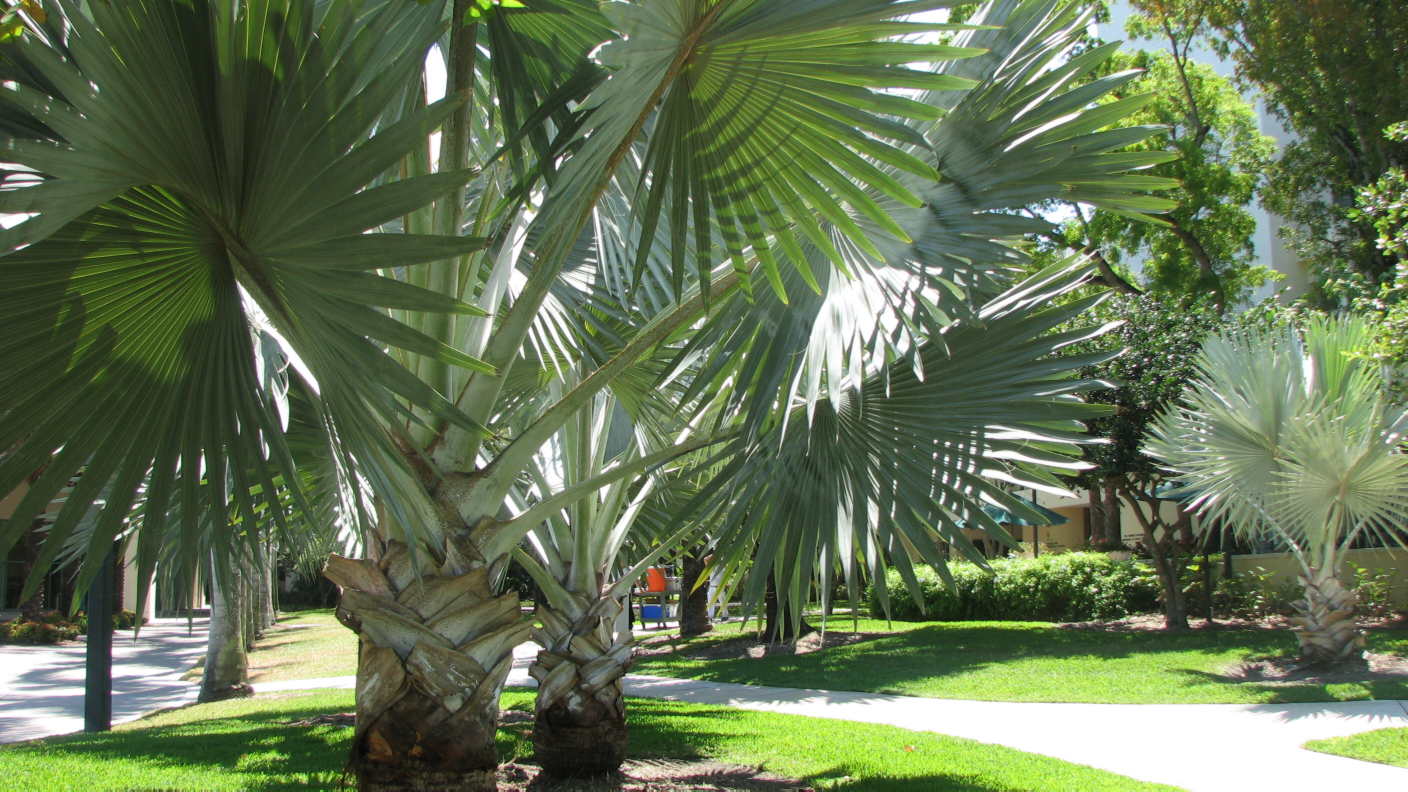
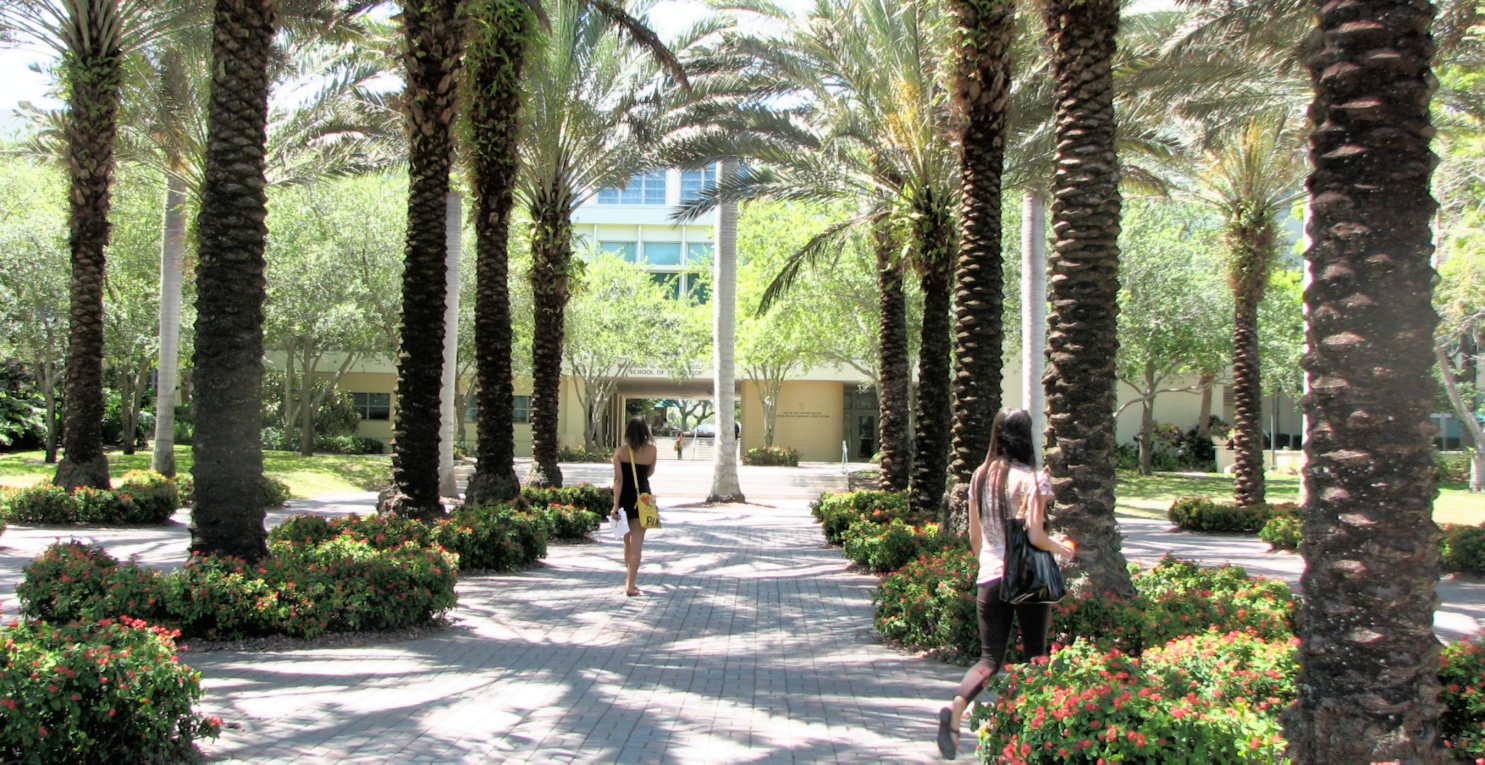
You are still in a secluded area of UM campus. The School of Business Administration is on the left where the canal of yesterday's blog is. In your face are the Bismarckia nobilis palms, natives of the island of Madagascar that is home to many plant species, including the beautiful bottle palm (Hyophorbe lagenicaulis.) Bismarckia nobilis palms may reach an ultimate height of 50-60 ft (15-18m) with a spread of 20 ft (6m) or more. Even young specimens like these that have yet to form mature trunks have full crowns of about 25 leaves with huge spreads. The huge palmate leaves are bright light blue, waxy and are up to 10 ft (3m) across. They are supported on 6 ft (1.8 m) stems that can be 10 in (25cm) in diameter. The leaf bases split where they attach to the trunk (like those of Sabal palmetto) and the leaf stems are armed with small sharp teeth. I know, I touched a few today to test them. Won't do that again any time soon.

Thursday, May 7, 2009

Scholarly Canal

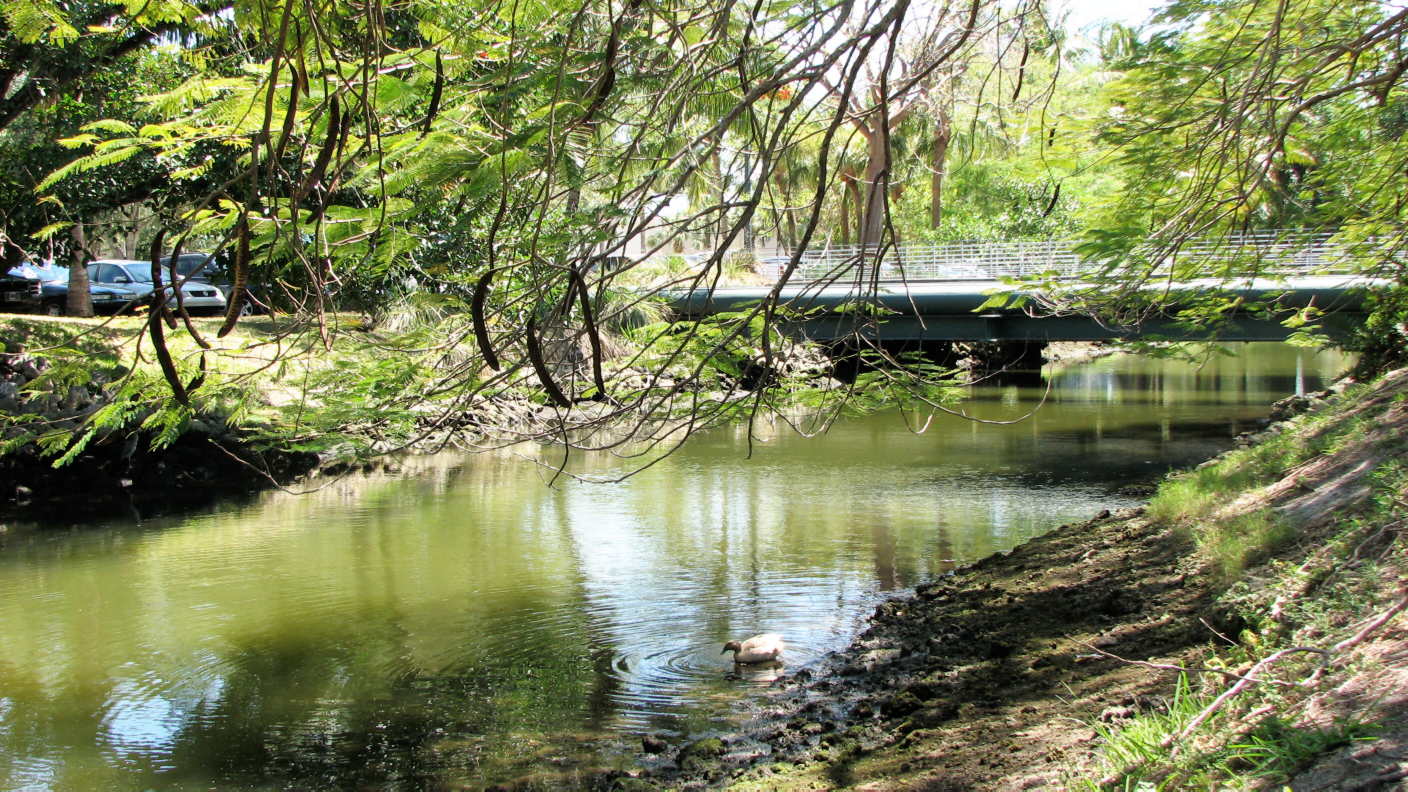
This is one of the two canals running through the University of Miami main campus, both connecting to lake Osceola. This is in the South end and it runs along the School of Business Administration. If you spend the time looking around here, you will see aquatic lives in form of small crabs, fish and smaller creatures. Some ducks make this their visiting place too. Thankfully, no gators that I can ever detect in this water, the level of which is quite low due to a long standing drought here. In a few more weeks, these swooping branches will be carrying crimson royal poinciana flowers. The seed pods are from last year's activities.

Wednesday, May 6, 2009

Merrick Building

This is a very beautiful and quiet section of the University of Miami. In fact, all sections of UM are beautiful and quiet. UM is such a beautiful university. The building in front is the School of Education, housed in the Merrick Building. It is a very old building and I used to have math classes held on the third floor. To the left of this photo, there used to be a large and beautiful yellow poinciana tree, but I can no longer locate it. It may have died, I'm sad to say.

Tuesday, May 5, 2009

Road Work

Traffic was tied up this morning when road work was continuing on this section of the streets in South Miami. It's a small price to pay for safe well maintained roads.

Monday, May 4, 2009

Dinner Key

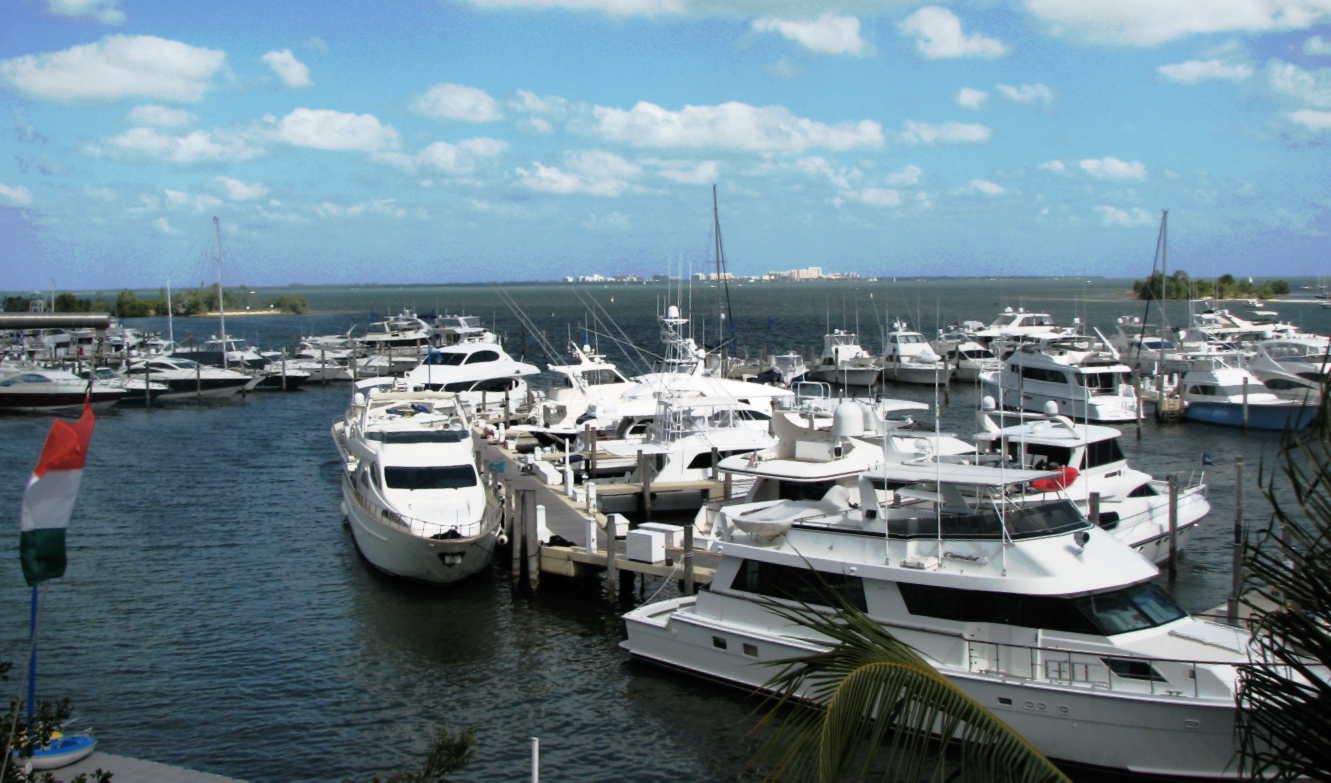
Key Biscayne across Biscayne Bay, viewed from Dinner Key. On the horizon is the silhouette of Key Biscayne. Cape Florida is the tip of the island on the right.

Sunday, May 3, 2009

Staying Fit

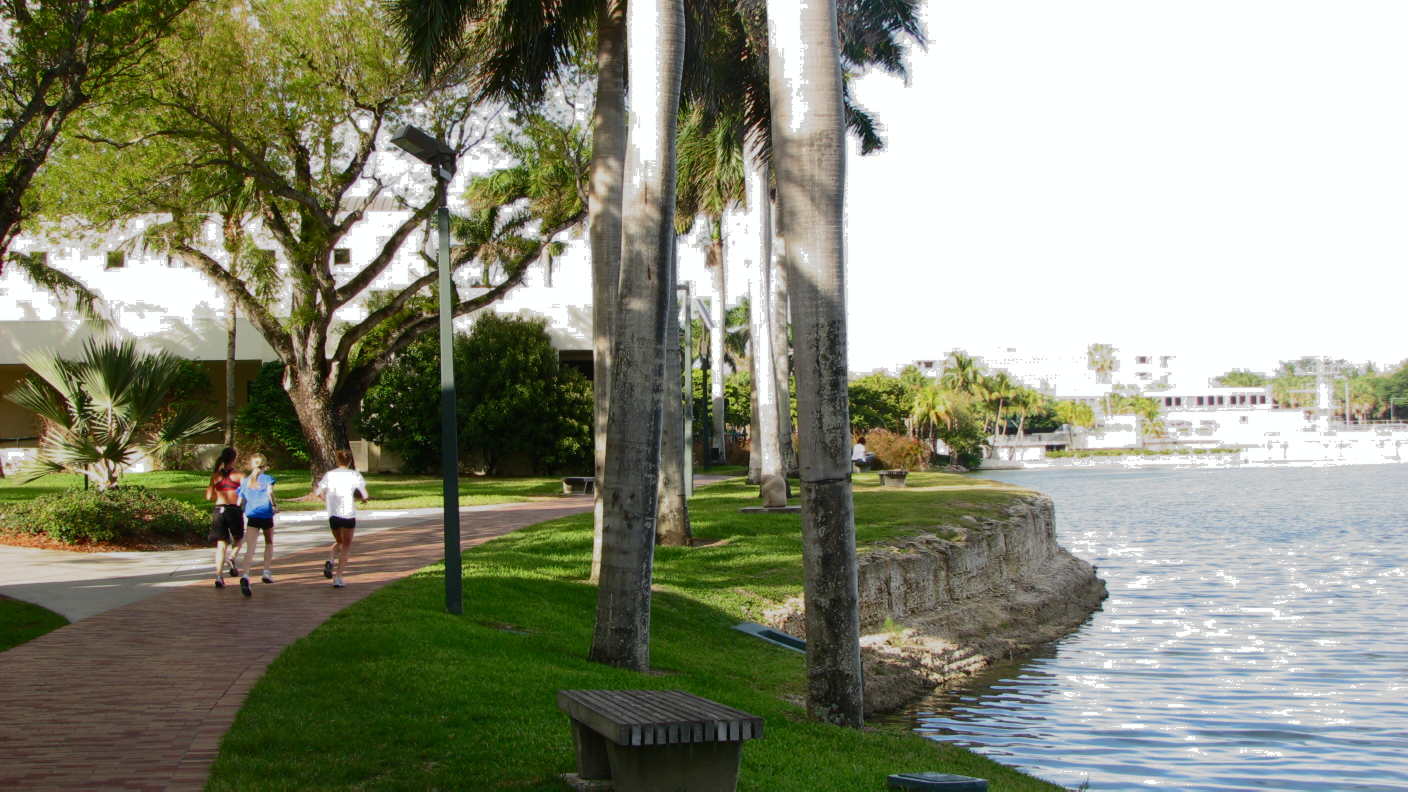
On a hot Sunday, students at the University of Miami keep in shape by jogging in their beautiful campus, here around lake Osceola.

Saturday, May 2, 2009

Namesake

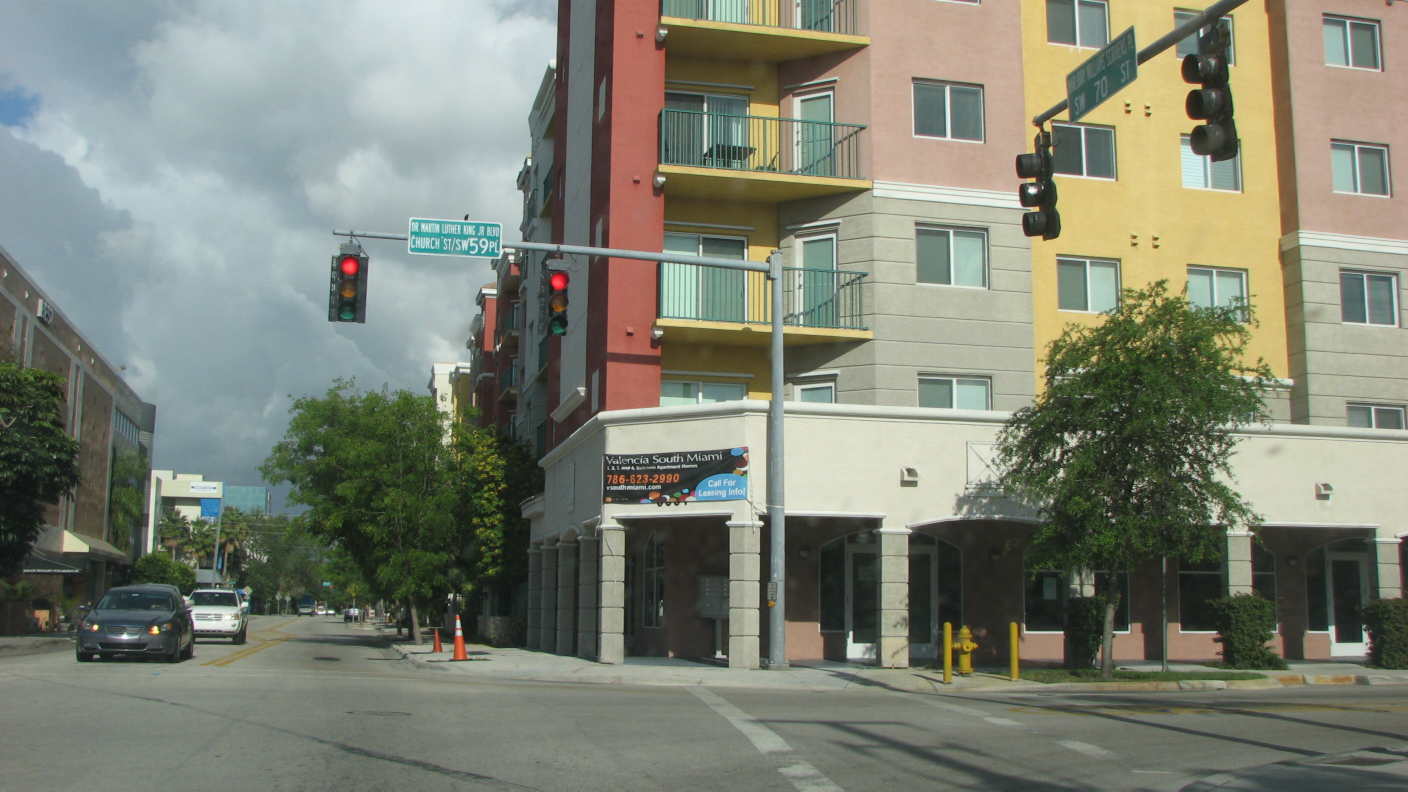
The current trend in Miami (Dade County) is for local politicians to come up with new names to call existing streets. At this intersection of SW 59th Place and 70 Street, one street has two additional names and the cross road has one. I don't think anybody pays attention to the added names, including the post office. Except for this particular intersection, the names selected are largely unknown.

Friday, May 1, 2009

Shadows

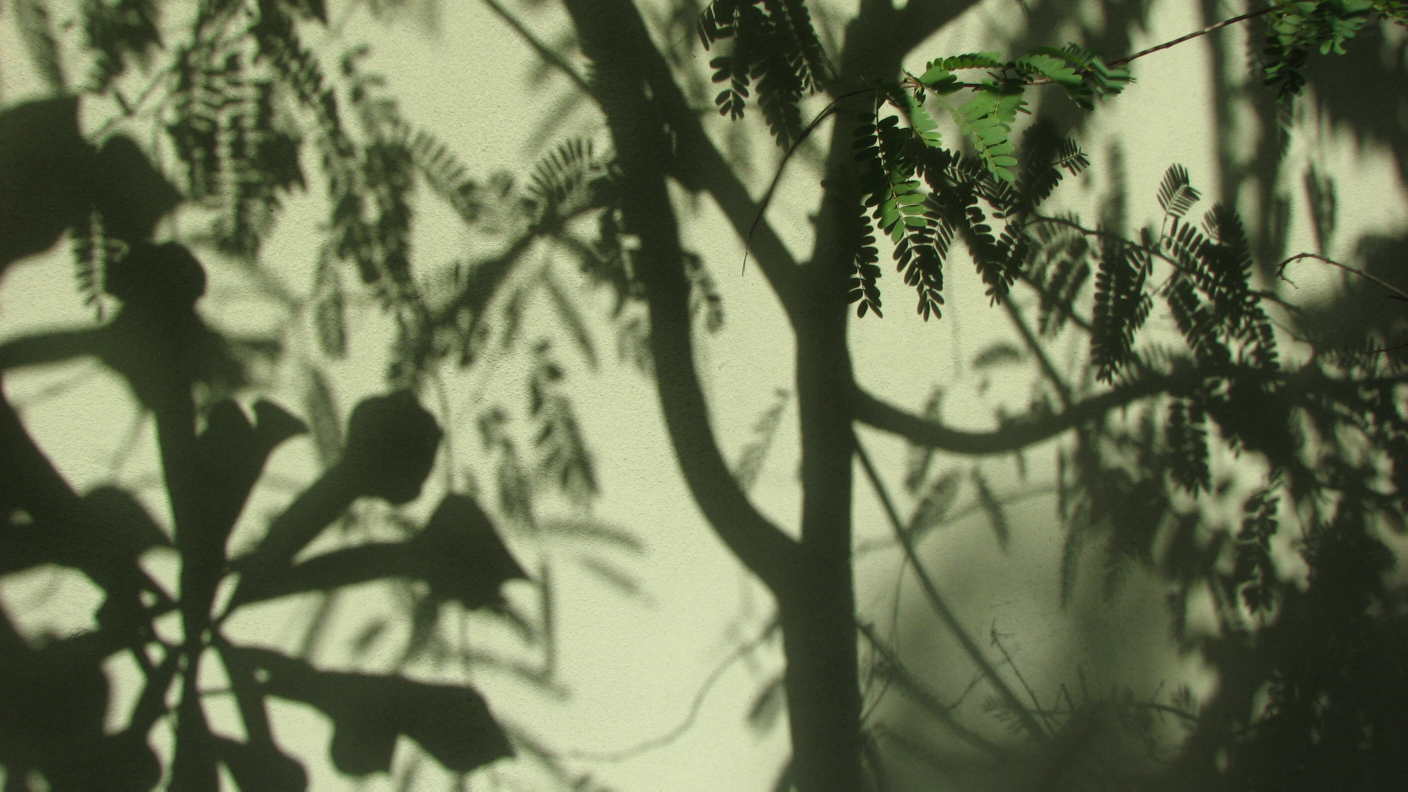
Only few things in this shot are real, the rest are... just projections on the wall.