Saturday, October 13, 2012

Clobbered!

Today, the University of Miami's beloved and once powerful football team, the Miami Hurricanes faced the team of the University of North Carolina, the Tar Heels. We lost! And that put me in quite a foul mood. !@#$%^&*()! It was hot in the seats of Pro Life stadium. The parking was expensive (US $30.) The food was expensive ($20 a round.) A bottle of water does not last 10 minutes etc... etc... It was hot and the sun in the West was in our face the entire game. No wonder I still feel dejected now! All and all a lousy afternoon. Should have gone swimming instead! Arrrggghhh!
Po'ed

Friday, October 12, 2012

Too Many Notes

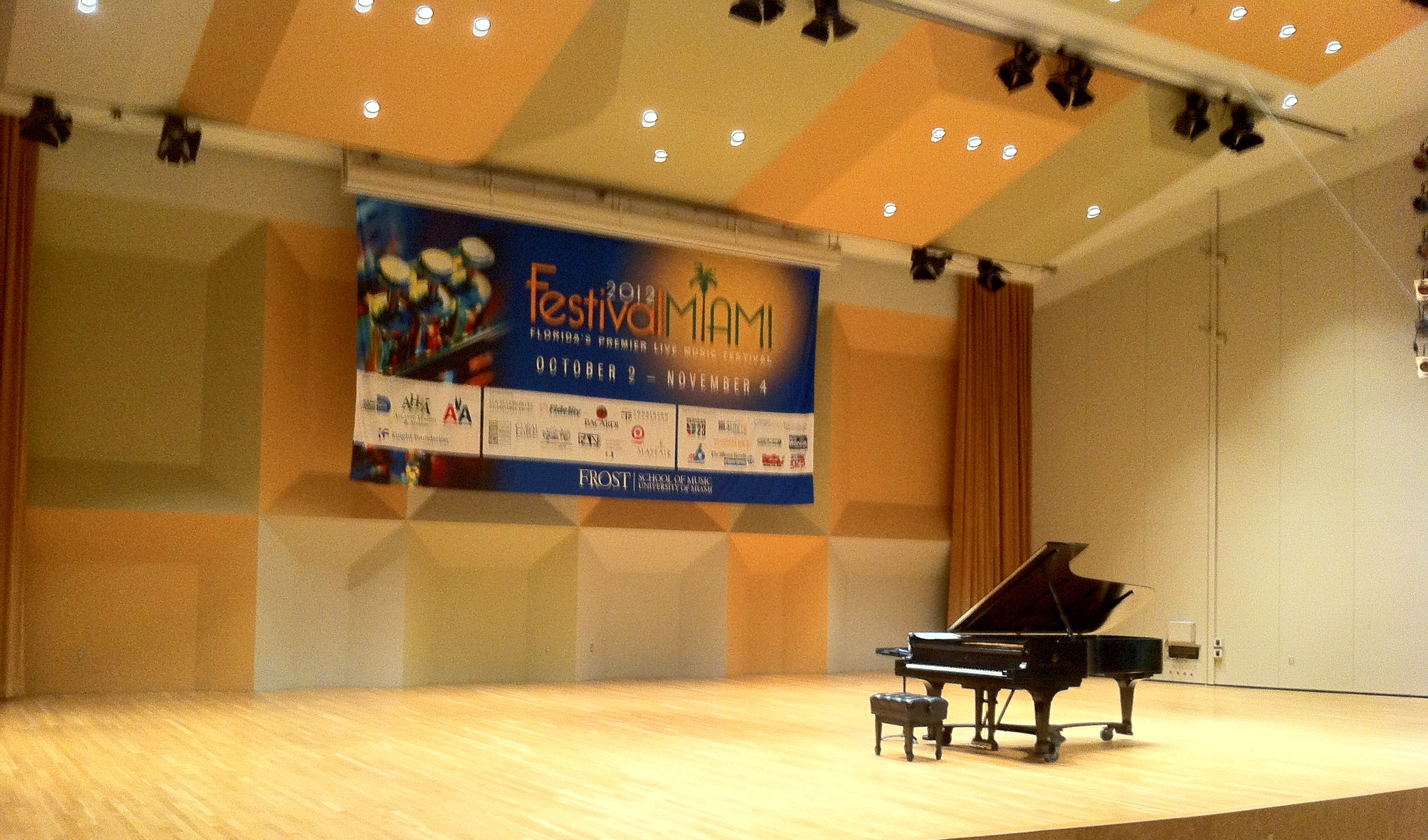
The 2012 Festival Miami is the 29th annual premier live music festival of Florida and it is right here at my Alma Mater the University of Miami's Frost School of Music from October 2nd through November 4th. Every year, I make it a point to come see at least one performance. Tonight, I am at the Maurice Gusman Concert Hall to see Santiago Rodriguez, Cuban born award winning pianist performing solo piano works of Chopin, Rachmaninoff, Lecuona, Sleeper... Sleeper? well, he's a contemporary composer and professor of music here. He is the Director of Orchestral Activities and Conductor of the University of Miami Frost Symphony Orchestra and Opera Theater.

If I remember correctly, all music composers, no matter who they were (or are) are not appreciated until after they are dead. So I was curious to hear the work of composers who are still alive, and in the audience too. Truthfully, I was particularly interested in tonight's performance because the opening piece was Marina (1993) a composition by Thomas Sleeper. That composition casts T. S. Eliot's famous poem Marina to music. That got me here. Do you know why? That is because I read Marina many times and never get to understand what that poem was about, despite several attempts trying to learn from many poetic critics and commentaries that dissected T. S. Eliot work. I was hoping that the music may help me in some way. Alas, no luck for me because the music was just way over my head and instead of helping, it got me more confused. I may appreciate this a couple hundred years from now... may be.

Other than that, it was a very enchanting evening. I am always amazed that music can have so many notes... millions of them and they keep coming at you. I was thinking to myself that if the performer(s) misses a few notes here and there, who is to count them and notice? Of course, I am kidding. I am certain maestro Rodriguez did not miss any note. I really loved his playing my favorite Malaguena. Powerful.

I am sorry that my photo blog today only shows you an empty stage. The announcer threatened to put me in jail if I dare to turn on my cell phone to take a shot during performance. I am lucky I managed this photo before things got serious. Next year, I will come with a camera hidden inside my eye glasses. Come back then for a better blog photo.
Piano Solo

Thursday, October 11, 2012

Digital Organic Man

OK... Is this man going off his rocker? What is this title he is using? Digital Organic Man? What's that? Let me explain.

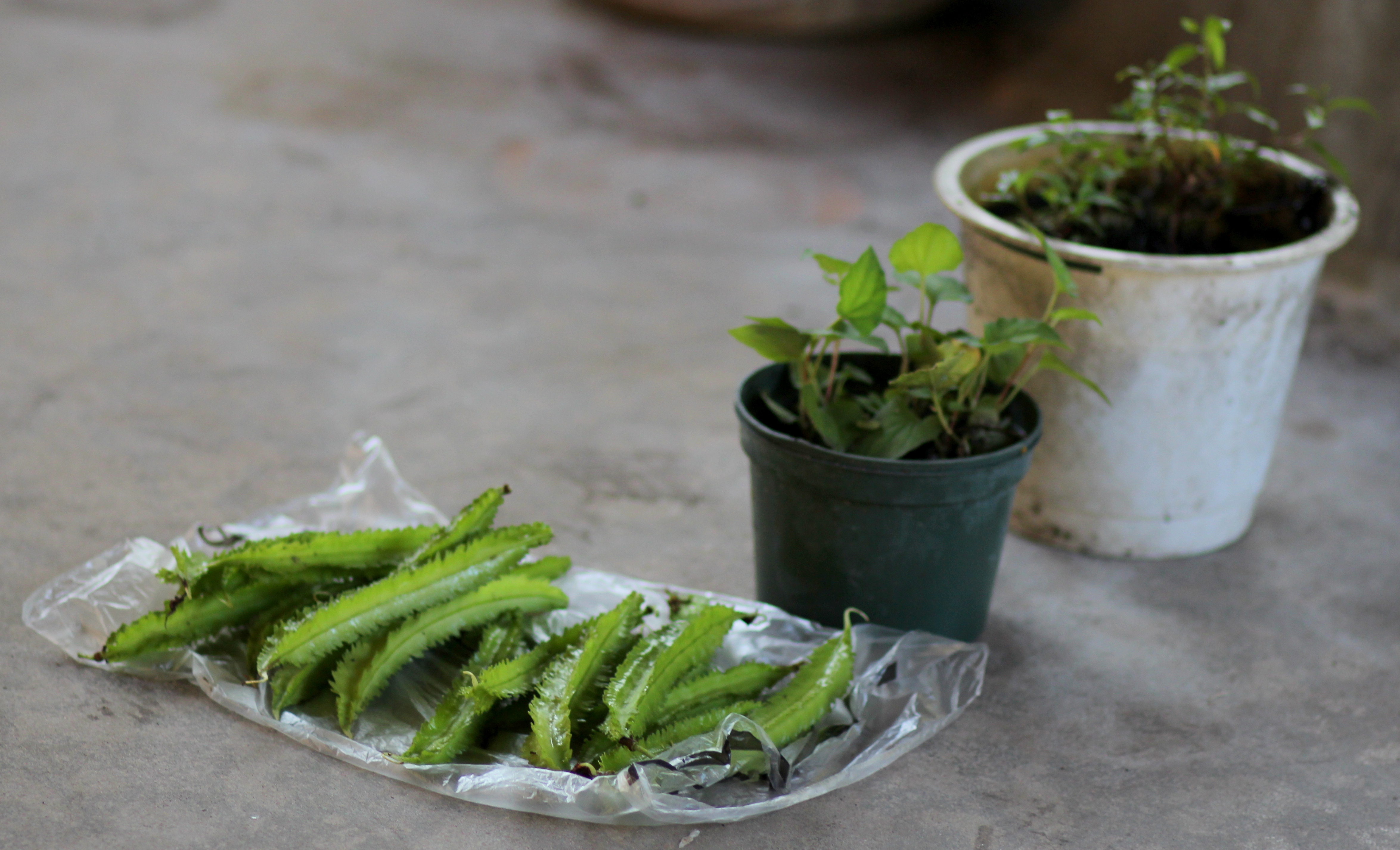
I am going digital (will start with some of my digital photos here in my blog) and organic at the same time: Today's blog is my first photo from a digital camera and not from my iPhone; and I will try to grow my own organic veggies. This photo that does not look very good is in fact a truly great digital photo that has been resampled heavily for web display. It shows three things: in focus in the foreground are some organic winged beans that will join with my other veggies in my wok soon.

The Winged bean (Psophocarpus tetragonolobus), also known as the Goa bean and Asparagus pea, Four-angled bean and Winged pea, is a tropical legume plant native to New Guinea. It grows abundantly in hot, humid equatorial countries, from the Philippines and Indonesia to India, Burma, Thailand and Sri Lanka. It does well in humid tropics with high rainfall. There are also varieties that can be grown in most areas of the U.S. The plant is one of the best nitrogen fixers with nodulation accomplished by the soil bacterium Rhizobium. Because of its ability to fix nitrogen from the atmosphere, the plant requires very little or no fertilizers.

I had this growing on a fence but let it die. Now I will try to start again...

The pot that is out of focus in the middle of the photo is the start of a veggie that is essential for some dishes the taste of which I am trying to acquire. Would you believe that this herb tastes fishy when you chew it? It is Houttuynia cordata (in simplified and traditional Chinese, resspectively: pinyin and yúxīng cǎo; literally "fishy-smell herb"; Vietnamese: giấp cá or diếp cá; pak kao tong in Lao; Korean: English lizard tail and chameleon plant.) In English, it is known as lizard tail, chameleon plant, heartleaf, fishwort and bishop's weed. It is one of two species in the genus Houttuynia and is a flowering plant native to Japan, Korea, southern China and Southeast Asia, where it grows in moist, shady places.

This herb is not very well liked, and I understand why that is so. I tasted it once and did not particularly want more, but now, I am not quite sure why I want to grow it? Ask me why! This Heartleaf or Lizard Tail is an alien invasive species in many areas in the United States and Australia so it will grow like wild fire here in my yard.

The next also out of focus pot is another herb: Persicaria odorata, the Vietnamese coriander is an herb whose leaves are used in Southeast Asian cooking. Other English names for the herb include Vietnamese mint, Vietnamese cilantro, Cambodian mint and hot mint. The Vietnamese name is rau răm, while in Malaysia and Singapore it is called daun kesom or daun laksa (laksa leaf). In Thailand, it is called phak phai and the Hmong word for it is Luam Laws. In Laos, it is called phak phaew.

It is not related to the mints, nor is it in the mint family Lamiaceae but the general appearance and odor are reminiscent. Persicaria is in the family Polygonaceae, collectively known as smartweeds or pinkweeds.

This herb is more easily liked and it is used fresh in salad and in spring/summer rolls. The last time I made the summer rolls was in August of 2011 and it's time I try again.

Finally, you may ask why my photo that is supposed to be "digitally great looking" looks so shabby? That has to do with the bokeh that I am testing. What's that? Come back for more...
Organic Man

Wednesday, October 10, 2012

Latin Corn Dough

It you were my date today, I would have treated you with some hot (just hot, not spicy) Latin corn dough. Do you like Arepa?

An arepa is a dish made of ground corn dough or cooked flour, very prominent in the cuisine of Colombia and Venezuela. It is similar in shape to the Mexican gordita and the Salvadoran pupusa. Arepas can also be found in Panama, Puerto Rico, the Dominican Republic, and the Canary Islands.

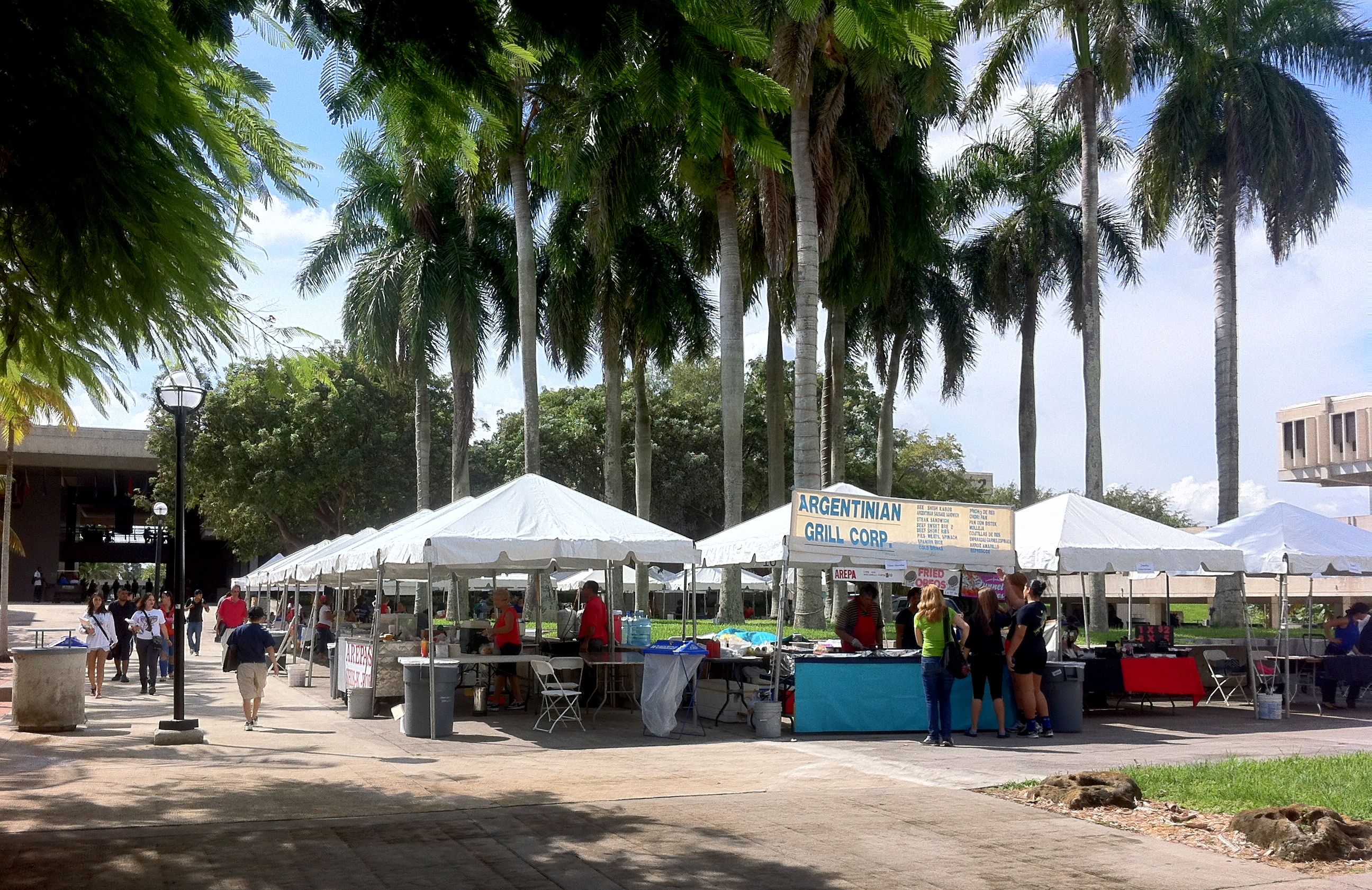
On MDC Kendall campus today, there is some kind of Latin food festival going on. Tents were erected to sell food at lunch time to students here. Various national dishes sell at about US $3.00 which are catered to students' pocket book. I spotted stands from Argentina, Peru, Venezuela and many more... all have arepa to sell.

I never had arepa before... went around to take sample shots. I'll buy a dish for you but I will pass. It looks too exotic to me. If I had a crave for corn, I'll have mine on the cob.
Corn Dough

Tuesday, October 9, 2012

Chorisia In Bloom

You have seen several silk floss trees but none was in bloom. Here it is with beautiful pink flowers. Chorisia speciosa is its former scientific name and it is known now as Ceiba speciosa. Both sound just like Greek to me, but you got to admit, it is beautiful. Now I know why Coral Gables, the City Beautiful, planted several of them in various locations. In bloom, these trees are really pretty and their large flowers look very similar in shape and form to hibiscus.
Silk Floss

Monday, October 8, 2012

Is Your Cell Phone Smart?

I am kind of lazy today... not knowing exactly why! Sheer laziness for the sake of just being lazy is how I feel today. To be honest with you, it feels great!

Are you ready for some statistics? Again, I am lazy and do not check the accuracy of any of the numbers given so please take them in with a big grain of salt. If you want to contest the numbers you read, please contact the source that I duly cite below:

According to Pew Research Center:

"As of September 2012, 85% of American adults have a cell phone and 45% have a smartphone. As of early 2012, 58% have a desktop computer, 61% have a laptop, 18% own an e-book reader, and 18% have a tablet computer.

Smartphones are particularly popular with young adults and those living in relatively higher income households; 66% of those ages 18-29 own smartphones, and 68% of those living in households earning $75,000 also own them. Young adults tend to have higher-than-average levels of smartphone ownership regardless of income or educational attainment, while for older adults smartphone ownership tends to be relatively uncommon across the board—but especially so for less-educated and less-affluent seniors."

Well, that was verbatim from what I stole from the source above. Their English? I would write it better but beggars can't be choosers!

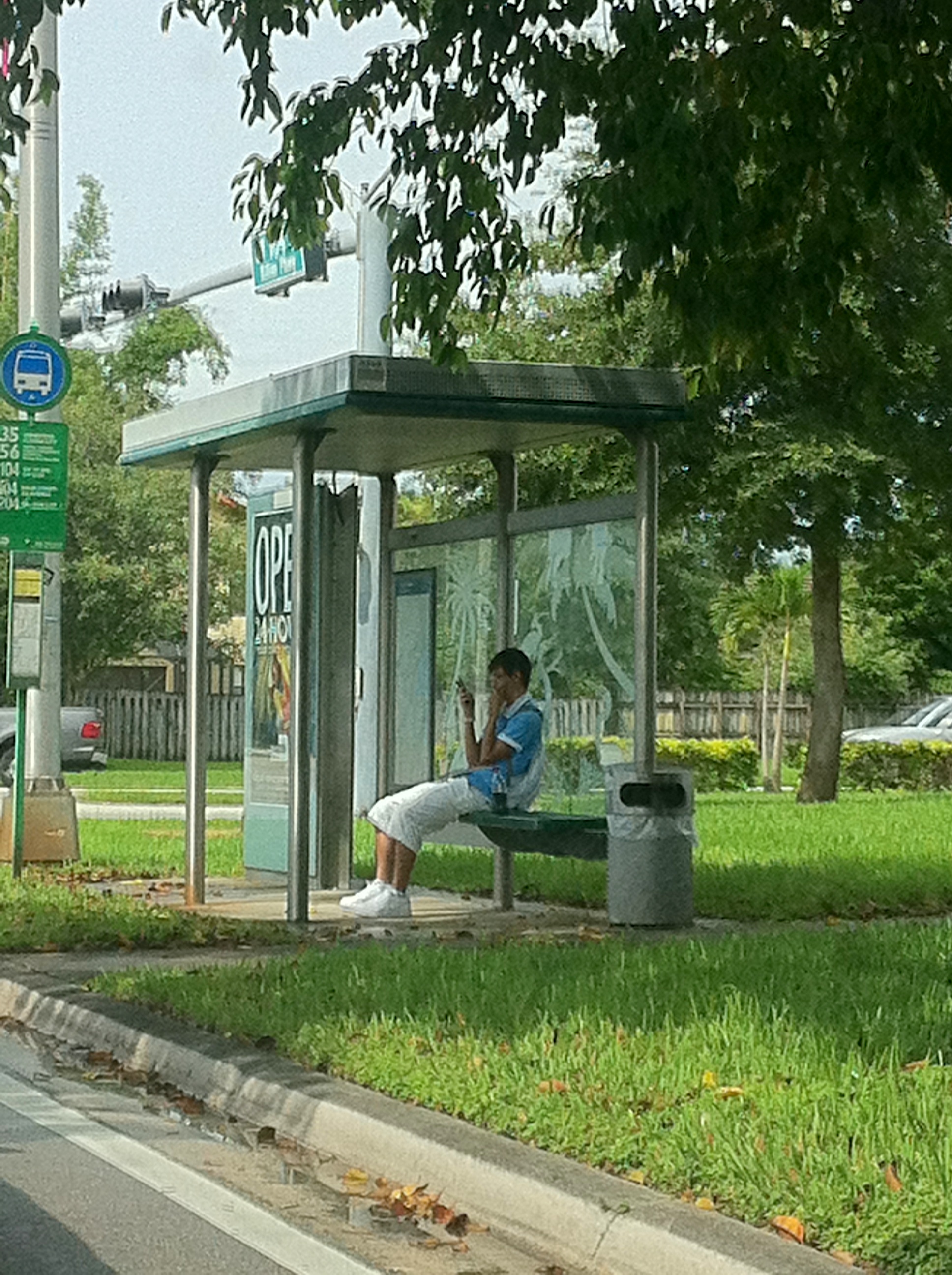
The youngster at this bus stop obviously is playing with his smart phone. My crystal ball tells me he has either an iPhone or an Android device. So a word of caution... your mobile phone will give you away because we can guess who you are by looking at the cell phone you use. How about that?

Ask me if I own a smart phone. What do you think? Do I? Do I not?
Smart Phone

Sunday, October 7, 2012

Made Of Money

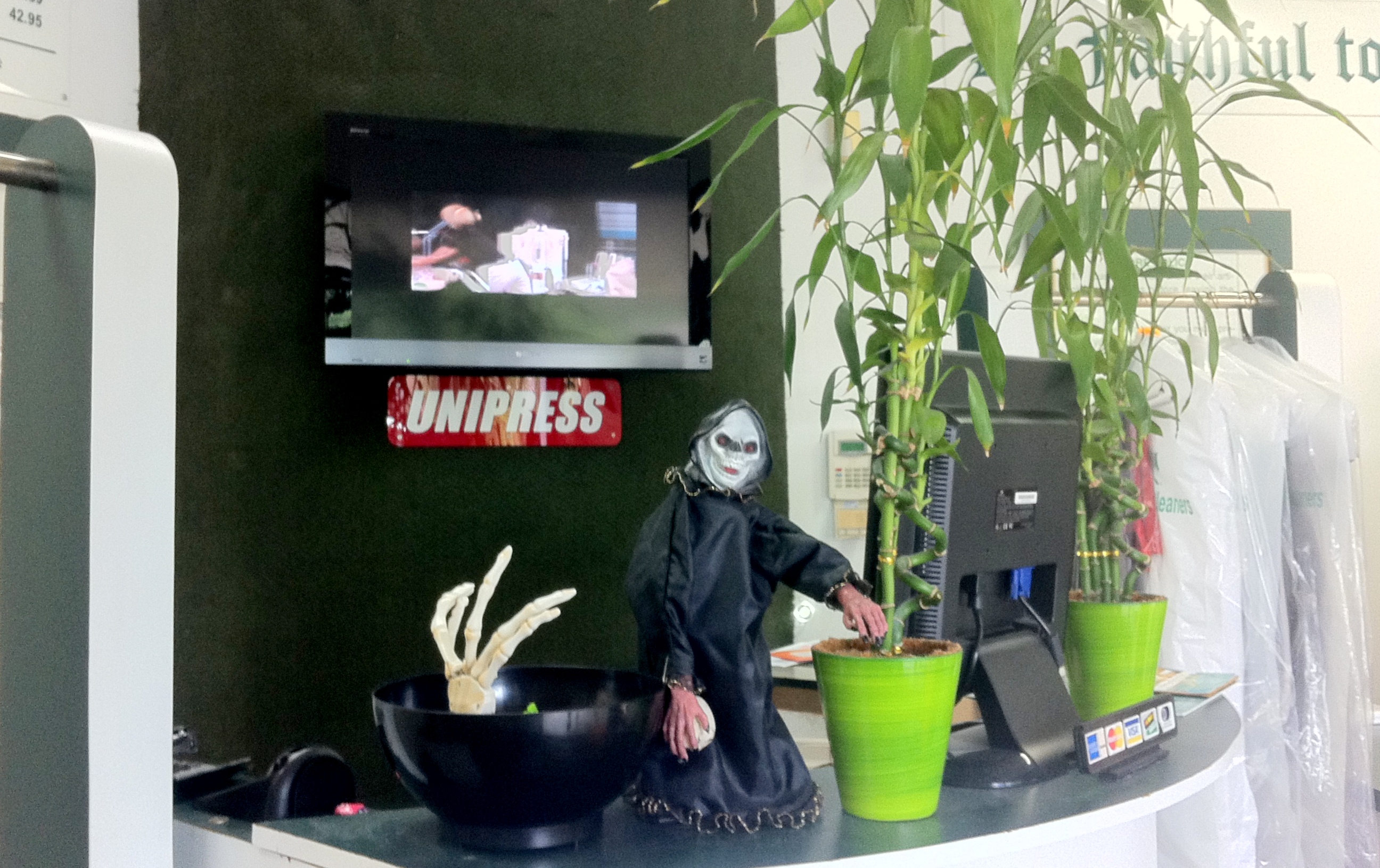
It's October, already! That means wherever you go, you will see very scary things such as skeletons, ghosts and ghoulies and even worse things that I do not want to mention because they may come at night to visit me. Sure enough, here is the customer counter at the local Tysunn Dry Cleaner on Sunset Drive near Red Road (SW 57th Avenue.) I can see a bony hand reaching up from the underworld and a miniature creature half alive, half dead staring me in the face. It's Halloween time in the US and it's coming on October 31st year after year.

On the counter, you can see two pots of the "money tree" that is supposed to bring prosperity to the business. Well, with the price I had to pay to dry clean a suit and one shirt, I feel like I am their money tree today!
Dry Cleaner

Saturday, October 6, 2012

Winn Dixie

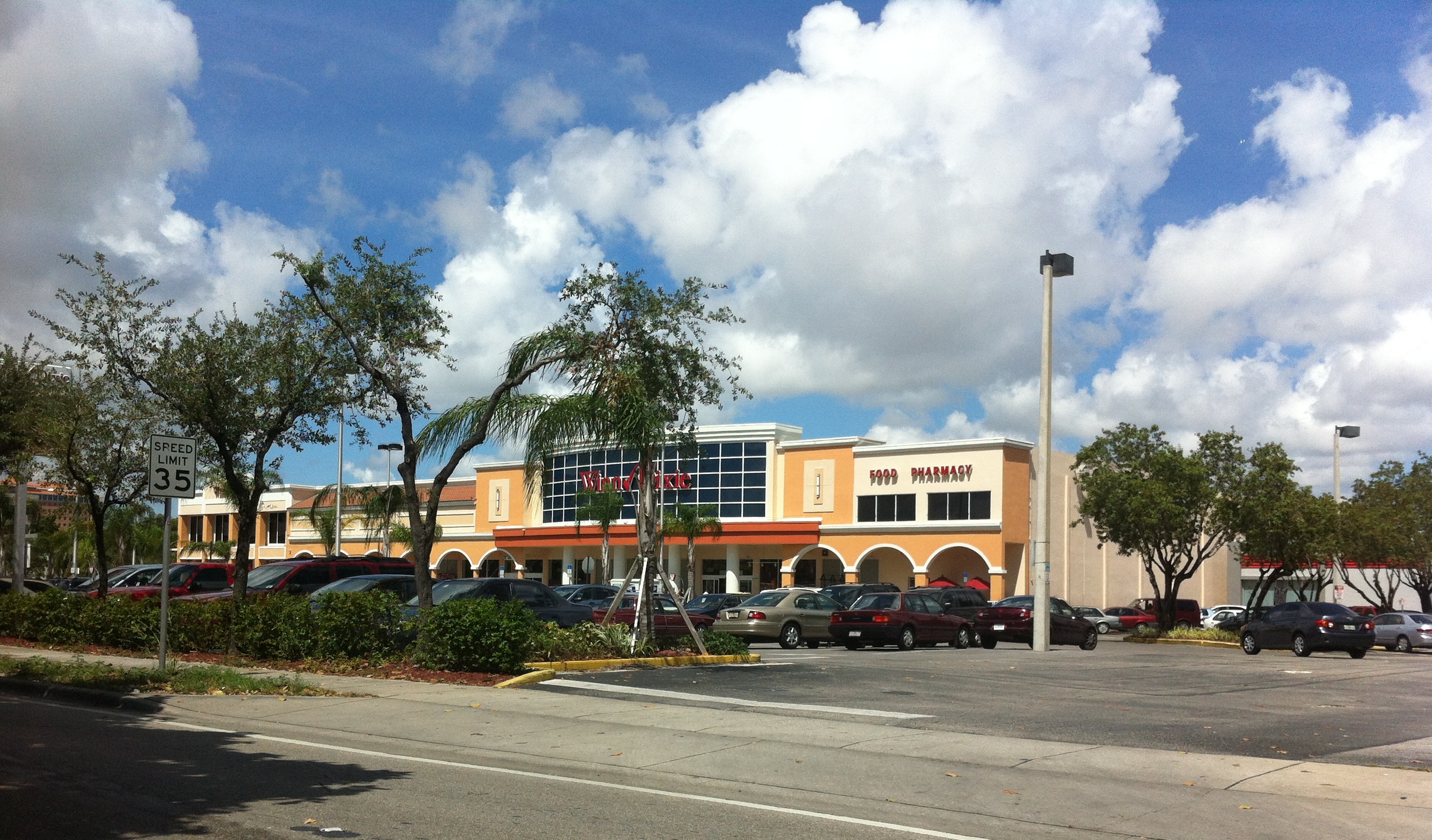
Winn-Dixie Stores, Inc. is an American supermarket chain based in Jacksonville, Florida. They are known for their private label Chek brand soft drinks, which are produced in over 20 different flavors plus diet and caffeine-free varieties. It fell on hard time ans filed for Chapter 11 bankruptcy in 2005. On March 9, 2012, Winn-Dixie became a wholly owned subsidiary of Bi-Lo Holding and it looks like they are beginning to grow well again in Florida, despite the closing of many stores in North Carolina, South Carolina, Tennessee, Texas, and Virginia.

This very large store #251 is fairly new and it is in Coral Gables, situated on Coral Way near SW 32nd Avenue. As Americans, we cannot live without our pills and liquors, and you see here the "must have" pharmacy that is always an integral part of any grocery store. The other half, a Winn Dixie liquor store #394 is next to this one, further down the street.
Quick Chek

Friday, October 5, 2012

Cây Bàng

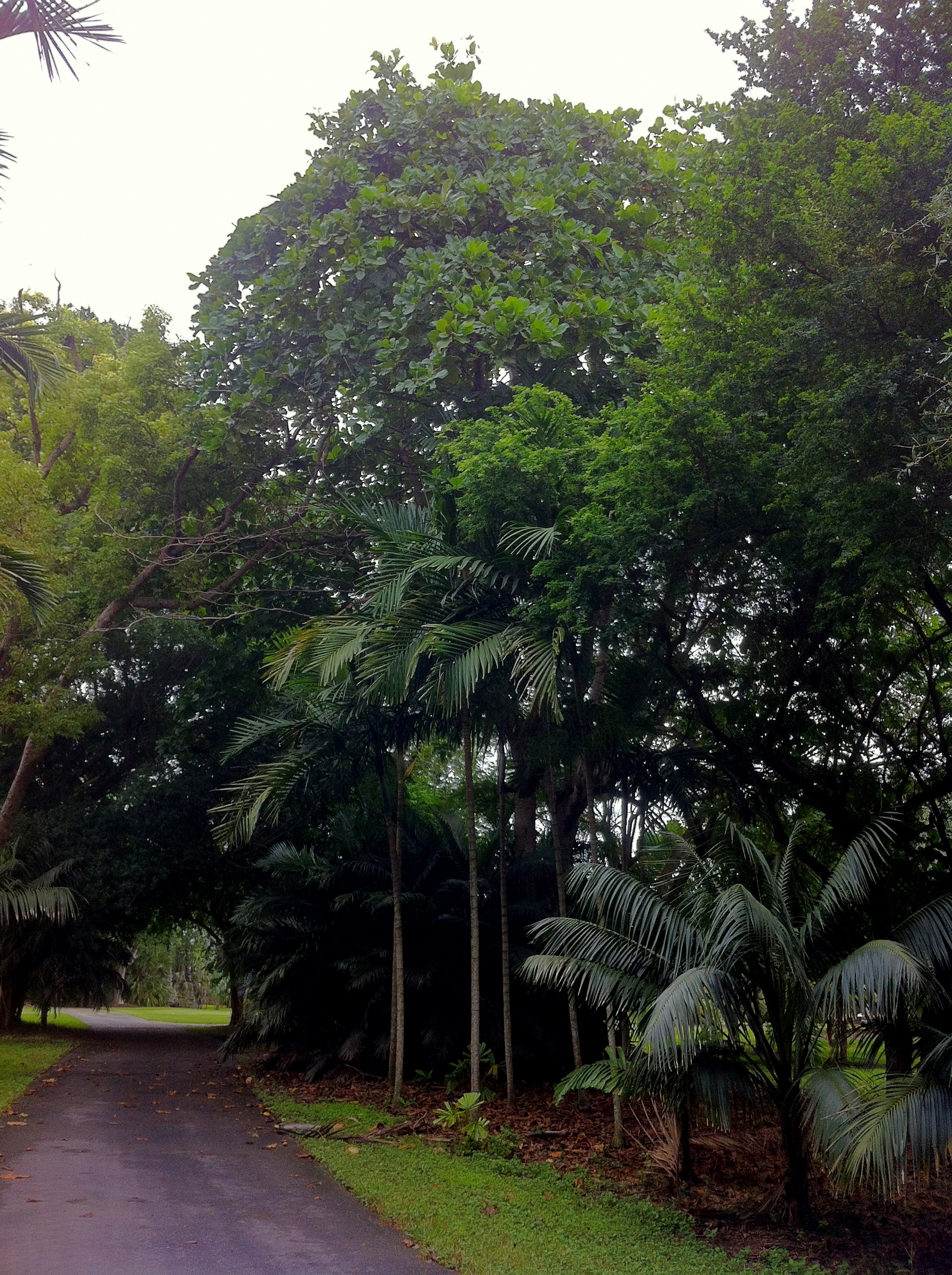
The tall and large tree in the center of the photo below is a Terminalia catappa, which is a large tropical tree in the Leadwood tree family, Combretaceae. This tree is native to the tropical regions of Asia, Africa, and Australia. It is known by the common names of Ketapang (Indonesian), Bengal almond, Singapore almond, Ebelebo, Malabar almond, West Indian almond, Tropical almond, Sea almond, Beach Almond. In other words, pretty much everybody agrees it's an almond tree. The Terminalia catappa is dry-season deciduous. Before falling, the leaves are loaded with pigments causing them to turn pinkish-reddish or yellow-brown. Then the branches become bare until new leaves return at the beginning of the next growing season.

When a kid, I used to collect the seeds of this tree, called "cây bàng" in Vietnamese. With a hammer, I could get to the free and delicious almond inside. The pathway here is littered with many seeds from this tree and they are much larger than I used to know them. This place must be paradise for squirrels and I am surprised to not see many of them. Got to come here with a big hammer soon to sample these seeds myself.

Due to many naturally occurring chemical elements in them, the leaves and bark of this tree are used in different herbal medicines for various purposes. In Taiwan, fallen leaves are used as a herb to treat liver diseases. In Suriname, a tea made from the leaves is prescribed against dysentery and diarrhea.
Almond Tree

Thursday, October 4, 2012

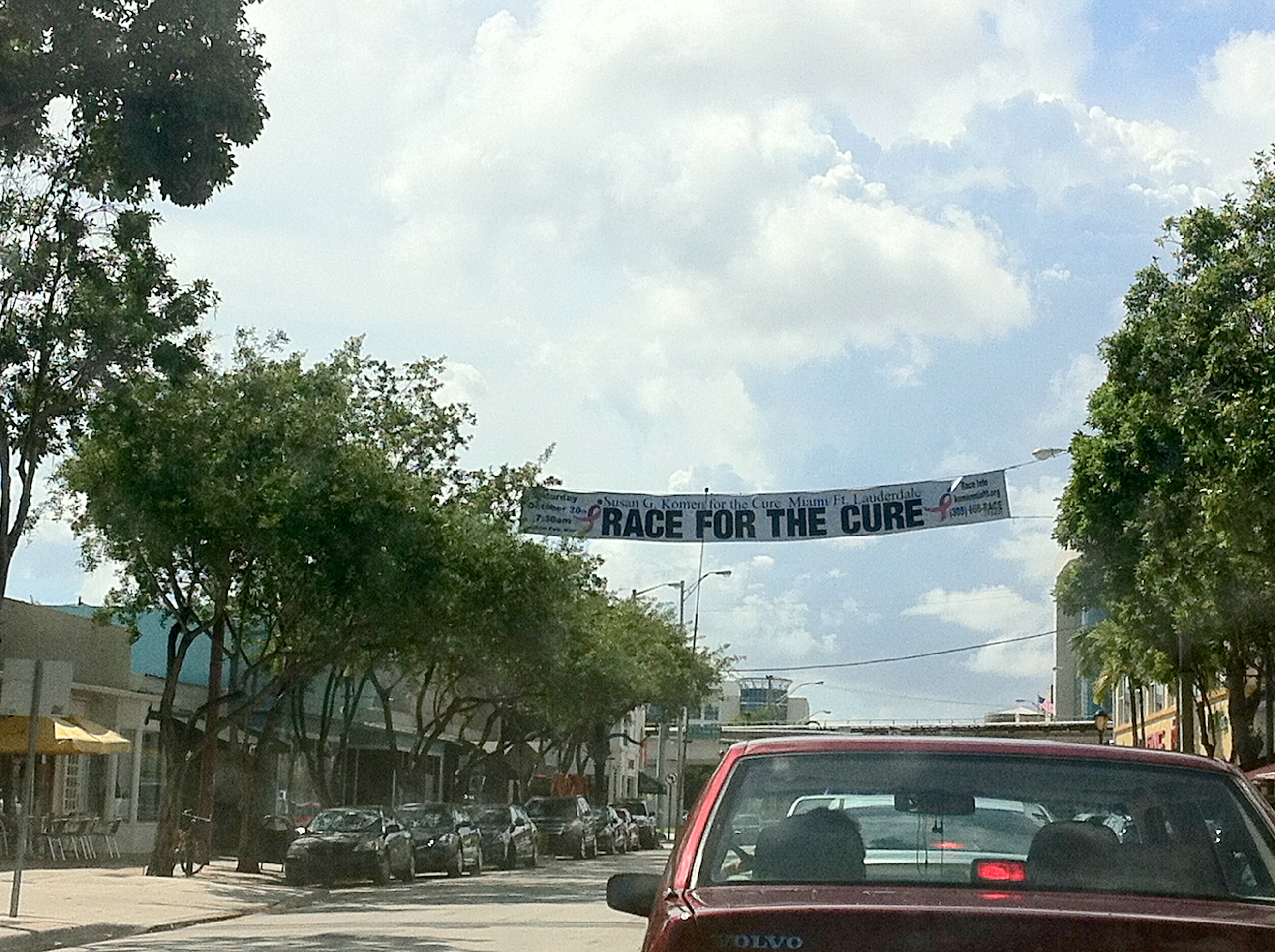
Race for the Cure

Breast cancer is a malignant tumor that starts in the cells of the breast. A malignant tumor is a group of cancer cells that can invade (grow into) surrounding tissues or metastasize (spread) to distant areas of the body. This disease occurs almost entirely in women, but men can get it, too.

Over the past 17 years, the Susan G. Komen Race for the Cure is an event designed and implemented to promote positive awareness, education and early detection of breast cancer. It is claimed to be the largest series of 5K runs/fitness walks in the world. The Miami/Ft. Lauderdale community has raised millions of dollars to fund the fight against breast cancer through the Komen Race for the Cure. Over 100,000 people have participated in the 5K walk and run, One Mile Fun Walk and Tot Run since the first Miami/Ft. Lauderdale Komen Race for the Cure in 1995.

The next Race is scheduled on October 20, 2012 at Bayfront Park in downtown Miami, starting at 7:30AM. Here you see a large banner spreading across Sunset Drive, just before it reaches US-1, announcing that event. The large horizontal concrete structure you see atop the red car is Metrorail, the heavy rail rapid transit system of Miami.
Breast Cancer

Wednesday, October 3, 2012

Batman

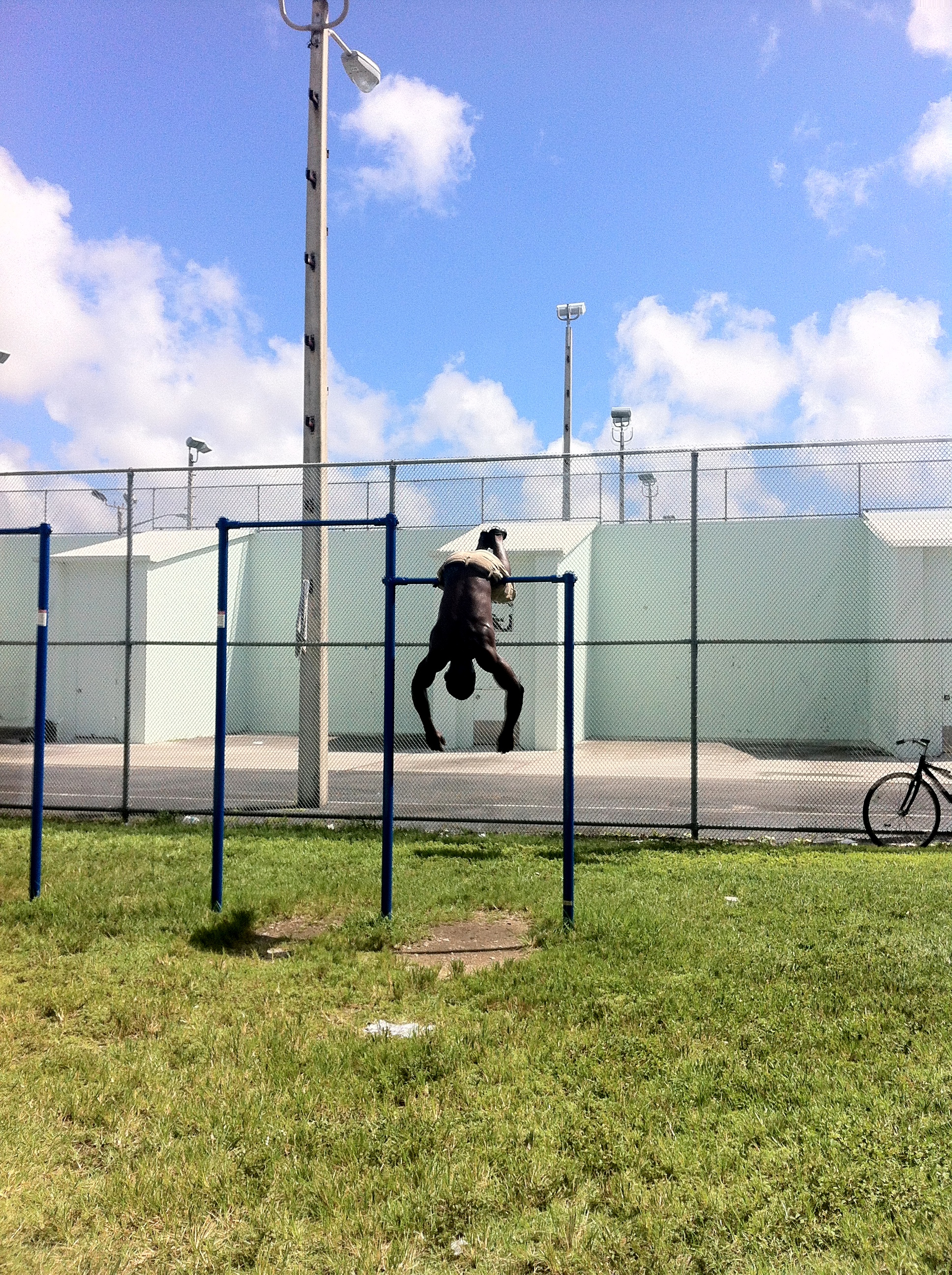
Walking across the open fields of Miami Dade College, you always see many students exercise all day long to stay in shape. It is a trend that demonstrates a high degree of awareness about the importance of staying fit and healthy here in Miami and also across the US. Take a look at this student who has been at this for a while. I know it is not at all easy to be batman-like like this. Don't even think of trying this at home, you can't do this. You will fall and may break some important bones in your body. If you ask me, I'd of course say I can easily do this a thousand times a day, but I know you won't believe me, and you are right!
Batman

Tuesday, October 2, 2012

Autumn Moon

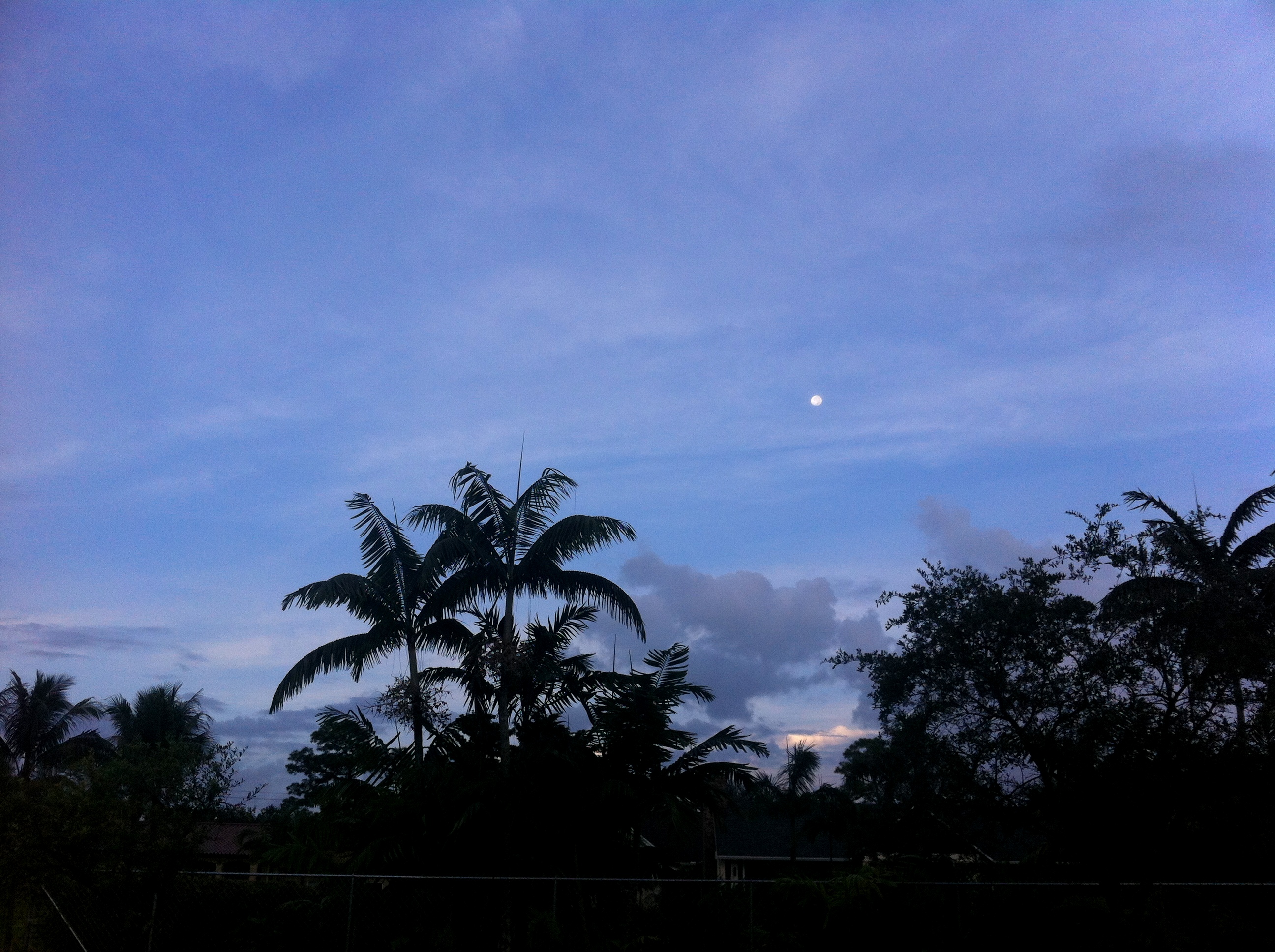
Quite early this morning, at 7:29 AM, I had to pull my car out of traffic in order to take this shot. The view due West on SW 72nd Avenue just South of 64th Street was simply fantastic! The sun has risen at 7:14 AM and still very low but already has colored pink the lower clouds. The mid-autumn festival moon, waning gibbous from its full shape just a few days ago is fully visible. From their silhouettes, you can see how tall Miami's coconut trees can get. I love life here in Miami. Come!
Autumn Moon

Monday, October 1, 2012

Bus Bench

America lives for advertising. Ads, as we call them are everywhere. These two are bus bench ads one of which caught my eyes because that's how they are designed: to catch your eyes at your eye level. The one that is closer says that women can get a pap smear for only US $35... This ad misspells the test which when spelled correctly, should read: Papanicolaou. Pap smear is a medical procedure that looks for changes on the cervix of women that could lead to cervical cancer. Generally, cervical cancer is caused by a strain of a virus called Human papillomavirus (HPV) which can propagate via skin to skin contact.

The pap smear was invented by Greek Dr. Georgios Nicholas Papanikolaou, M. D., Ph. D., a pioneer in cytopathology. Although he reported that uterine cancer could be diagnosed by means of a vaginal smear in 1928, his important work was not recognized until 1943.

A word of caution needs to be said here: when you see an ad saying that such and such service or product ONLY costs a low figure of dollars, do not believe it literally or you will be very unpleasantly surprised. The ONLY $35 here may mushroom to a higher bill because of costs associated with doctor visit and laboratory report to interpret the smear by a pathologist are hidden.

The other ad is by a well known real estate agency in Miami. The two telephone numbers tell a story about the urban sprawl of Miami Dade county. Originally, telephone numbers for Miami have area code (305.) By the year 1998, the seven digit telephone numbers can no longer support the population growth, and area code (786) was added.

I think the Pap Smear ad really dominates the scene here, and if I were the person who designed the sign for the real estate agency, I would go back to the drawing board because the Pap Smear is getting all the attention, and the readers only have a few seconds to read.

By the way, pap smear are for women only, so men need not apply.
Pap Smear

Sunday, September 30, 2012

August Moon

August? Aren't we in September?

Yes, this photo of tonight's Miami moon is what is called the August Moon. Actually, I am one day late as this moon was full yesterday, and I should have talked about this then but I forgot about this event. Better late than never.

So, what is this business of calling a moon on the last day of September an August Moon? It is because if you use the lunar calendar, you are still in August, and this is the time of an important harvest festival called the Mid-Autumn festival. Also known as the Moon Festival or Mooncake Festival or Zhongqiu Festival, it is a popular lunar harvest festival celebrated by China and Vietnam. This annual rite can be traced back to more than 3,000 years ago and this festival is held on the 15th day of the eighth month in the lunar calendar when the moon is full. This date occurs in late September or early October in the Gregorian calendar, close to the autumnal equinox.

This festival is accompanied by many traditional activities such as:

Eating mooncakes, traditionally consisting primarily of lotus bean paste - I like that!
Drinking tea - Definitely!
Matchmaking. In some parts of China, dances are held for young men and women to find partners. "One by one, young women are encouraged to throw their handkerchiefs to the crowd. The young man who catches and returns the handkerchief has a chance of romance." - I need this!
Carrying brightly lit lanterns, lighting lanterns on towers, floating sky lanterns - Been there! Done that!
Burning incense in reverence to deities including Chang'e, the Moon Goddess of Immortality who lives in the moon - Only if the incense has true lotus scent.
Fire Dragon Dances. Definitely! In case you do not know, my name Lân represents this dragon - It's me!

When I was a kid, I read the story of a rabbit up there living in the moon because there is a shape that, if you have better than average imagination, looks like a rabbit. Of course you see no such rabbit in my shot of today. I should have used my telescope! Rats!
Trung Thu

Saturday, September 29, 2012

Chocolate Daisy

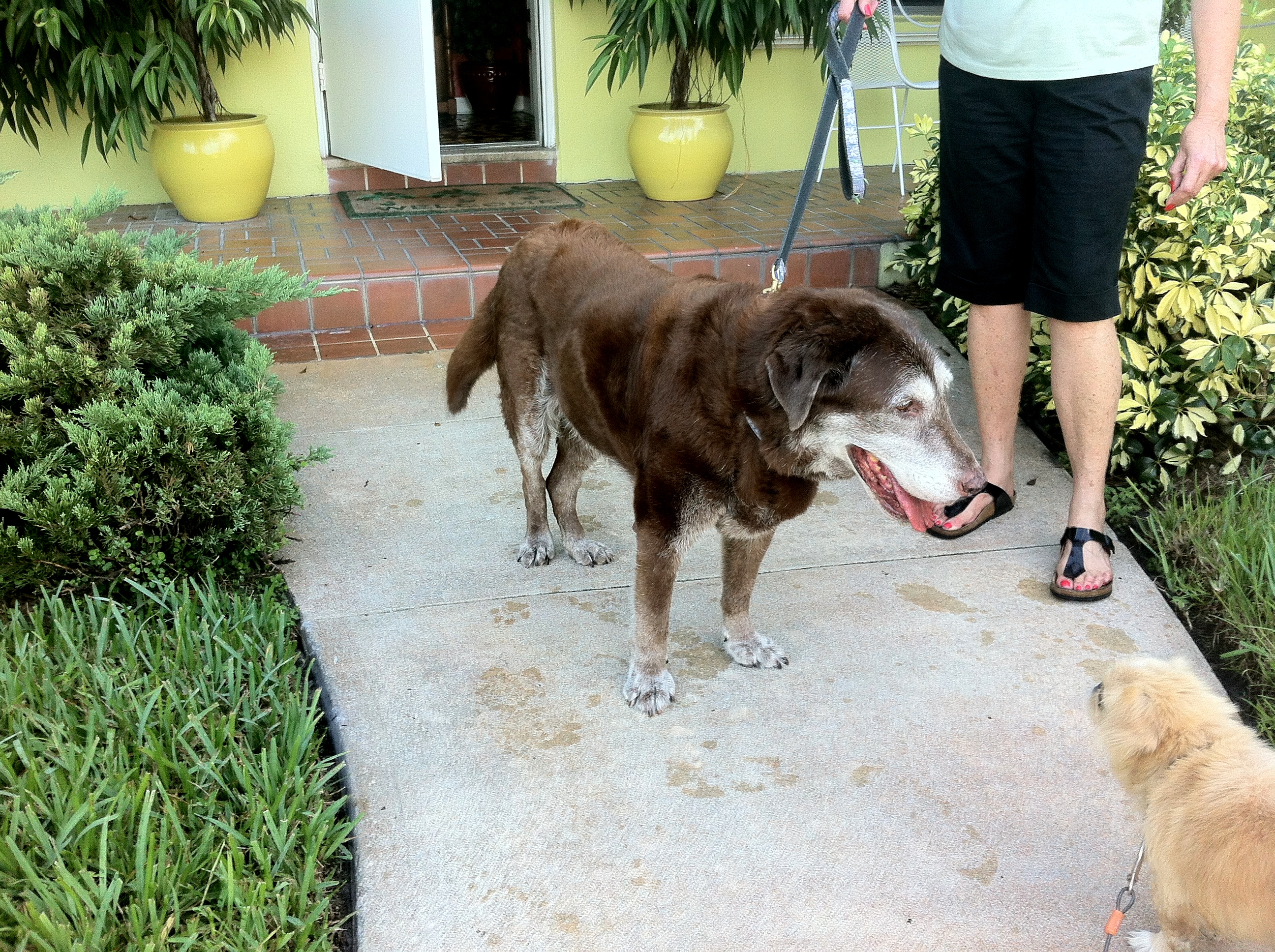
I ran into Daisy today. She instantly turned me into a reluctant philosopher! That is because Daisy, a beautiful elderly "chocolate Labrador retriever," seems to be at the sunset stage of her life. She is barely mobile, yet, she begs to join her owner to take daily walks with other younger dogs. Daisy is 13 year old. She is overweight and thus according to scientific research, she is prone to give up the ghost faster than if she is more svelte.

You see, life expectancy of dogs is 12.8 years.... Wait a minute, whenever I come across statistics, I tend to go off in a tangent because statisticians seem to know everything to the tenth decimal point... But I digress... let's get back to beautiful Daisy. With that in mind, you can easily understand that a dog's year is about 7 that of a human being. Daisy is 91 human year old! Labrador retrievers are expected to live 10 - 14 years, and indeed Daisy is stretching it.

Do you know that in general, smaller breed dogs live longer than larger ones; and heavier dogs die younger than dogs of the same breed but lighter?

So, if you want a new dog, pick one like Gizmo on the right because this bubbling cutie will outlive many larger and heavier dogs and she will keep you company late into your geriatric stage.

When it was time to say goodbye, Daisy lost tract of where she was and went off in the wrong direction... Just like me, forget where I was just a minute ago! How sad for me because in dog's year, I am but a toddler!
Daisy

Friday, September 28, 2012

Le Grand Pisseur

I am sorry to resort to my rusty French to explain to you what you see in today's Miami photo. I call it "Le Grand Pisseur."

There is a very famous bronze statue named "Le Petit Pisseur" in Brussels. In reality, its real name is Manneken Pis (literally Little Man Pee in Marols, a Dutch dialect spoken in Brussels, also known in French as le Petit Julien.) Le Petit Pisseur is a famous Brussels landmark. It is a small bronze fountain sculpture depicting a naked little boy urinating into the fountain's basin. It was designed by Hiëronymus Duquesnoy the Elder and put in place in 1618 or 1619. This little boy is adorable, holding his wee wee to pee, eyes closed and face happy as happy can be. There are many legends but my favorite one is that he peed to put out the fuse lit by the enemy troop that would have ignited the explosive to destroy his city. If someone does that to Miami, I would have my own little bronze statue here, probably in Coconut Grove. I can't leave this without telling you that Hergé, a world famous creator of child reporter Tintin, knew about this legend, and in one of his story, had his famous dog Milou put out a fuse of a kettle of dynamite in the same manner.

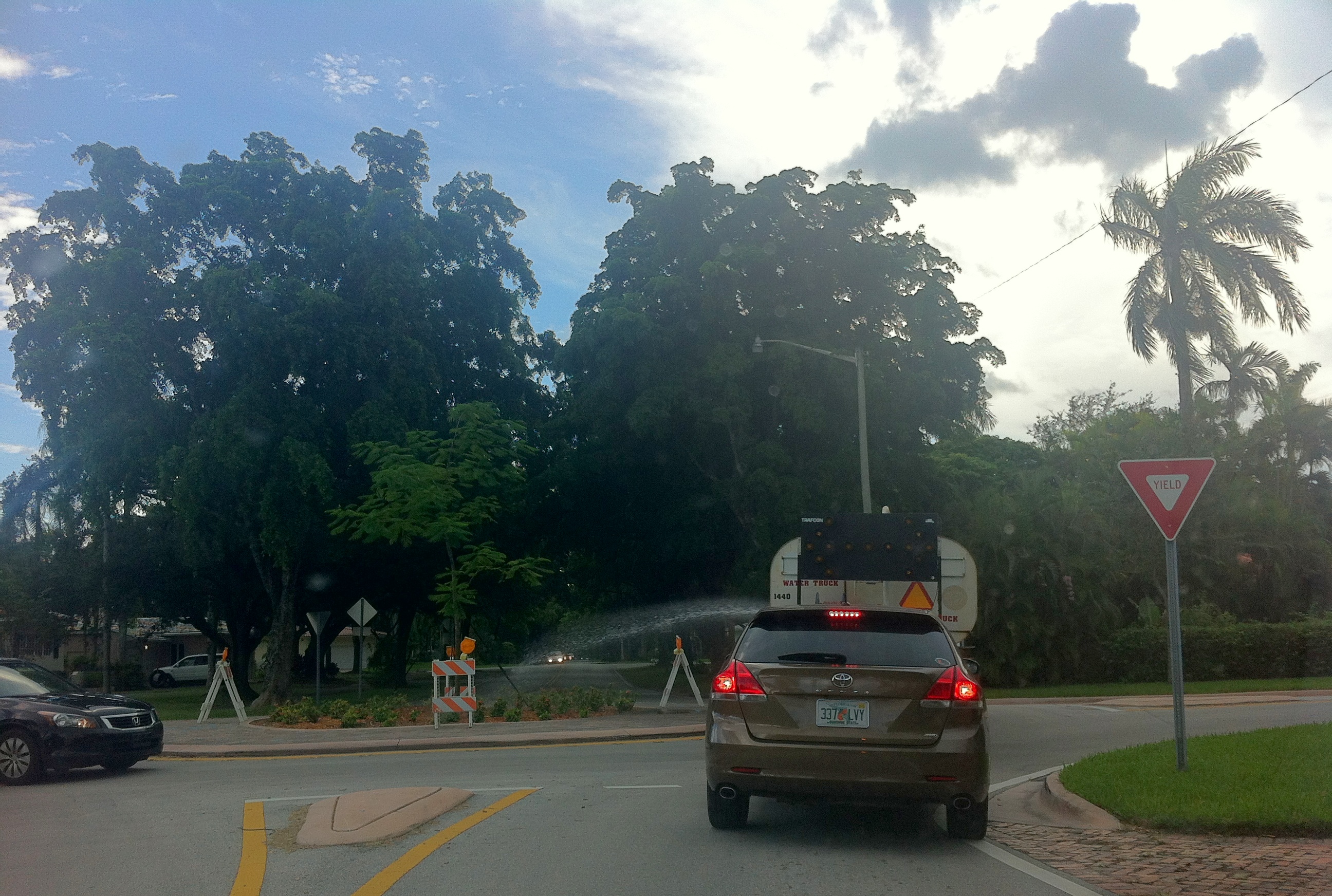
Well, what am I talking about? The city of Miami (Coral Gables, Coconut Grove and other cities as well) have continually added traffic circles to slow down traffic and to defeat speeding offenders. Ornamental flowers, hedges and small trees are used to decorate these circles. Water trucks like the one you see here goes around town to keep the plants in tip top shape. When "le grand pisseur" comes around to piss on the plants, we all have to yield right of way. To do this, "le grand pisseur" has its pants down and thank heaven, that unsightly view is blocked by the car in front of me. Otherwise, this photo would be unfavorable because of the indecent exposure taking place in broad day light!

There you have it!
Pisseur

Thursday, September 27, 2012

Caldo de cana

Garapa (var. Guarapa) or Caldo de cana is the Brazilian Portuguese term for the juice of raw sugar cane. Sugar cane juice is consumed as a beverage worldwide, and especially in regions where sugar cane is commercially grown such as Southeast Asia, South Asia, and Latin America.

Sugar cane juice is also known as "guarapo", "guarapo de caña", or "jugo de guarapo" in various dialects of Spanish, "ganne ka ras" or "roh" on the Indian subcontinent, "aseer asab" in Egypt, "air tebu" in Indonesia, Malaysia and Singapore, and "nước mía" in Vietnam. The drink is obtained by crushing peeled sugar cane in a small hand- or electric mill. The freshly pressed juice is often served cold with other ingredients added, such as a squeeze of lemon or lime (in Brazil, Colombia, Cuba, India), pineapple (Brazil), passion fruit, ginger (India, Zanzibar) or ice. In India it can also be served with black salt or mint.

Due to its high sugar content, it is rich in calories. Garapa juice is the primary source of sugar cane derivatives such as raw sugar (obtained by evaporation and refining), cachaça or "caninha" and ethanol.

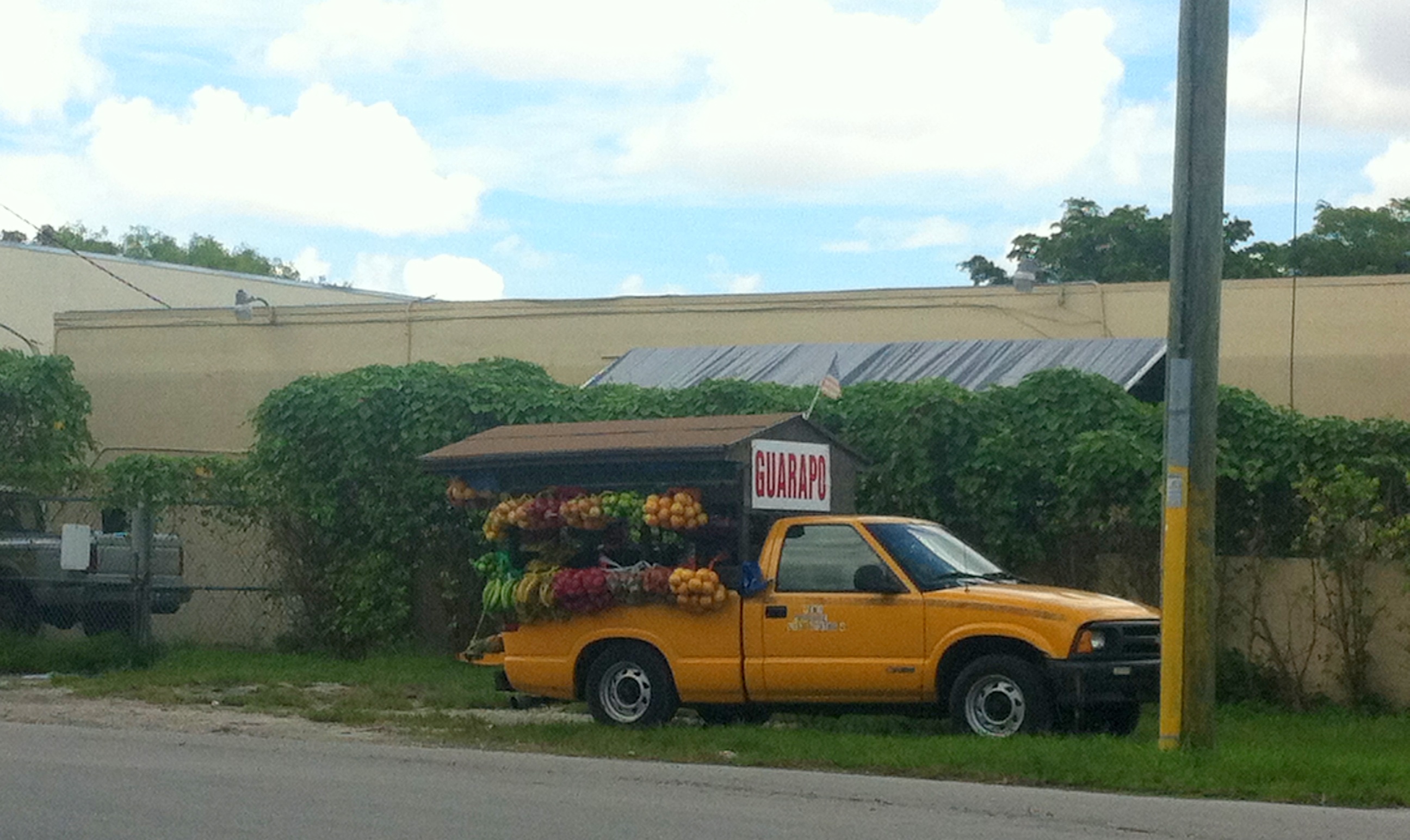
Sugar cane juice is especially popular among the Cuban expatriate community in Miami, where it is found in abundance at many locations in Little Havana. This mobile vendor is setting shop daily here on SW 71st Avenue just South of Bird Road, and it has more offerings than just sugar cane juice (guarapo.) That includes fruits, vegetable and coconut juice.

When prepared in rural areas, raw sugar cane juice can be a health risk to drinkers, mostly because of the unhygienic conditions under which it is prepared in these areas. Since it is very sugary, it is an ideal culture medium to all kinds of microorganisms, so it should not be stored outside a refrigerator. In fact, it is almost always consumed as a freshly prepared drink. If you decide to drink this juice, make sure you do not see flies flying around the pressing machinery because it's very likely that some flies may have been mixed together as protein addition you may not want to consume.
Sugarcane

Wednesday, September 26, 2012

Curtain Calls

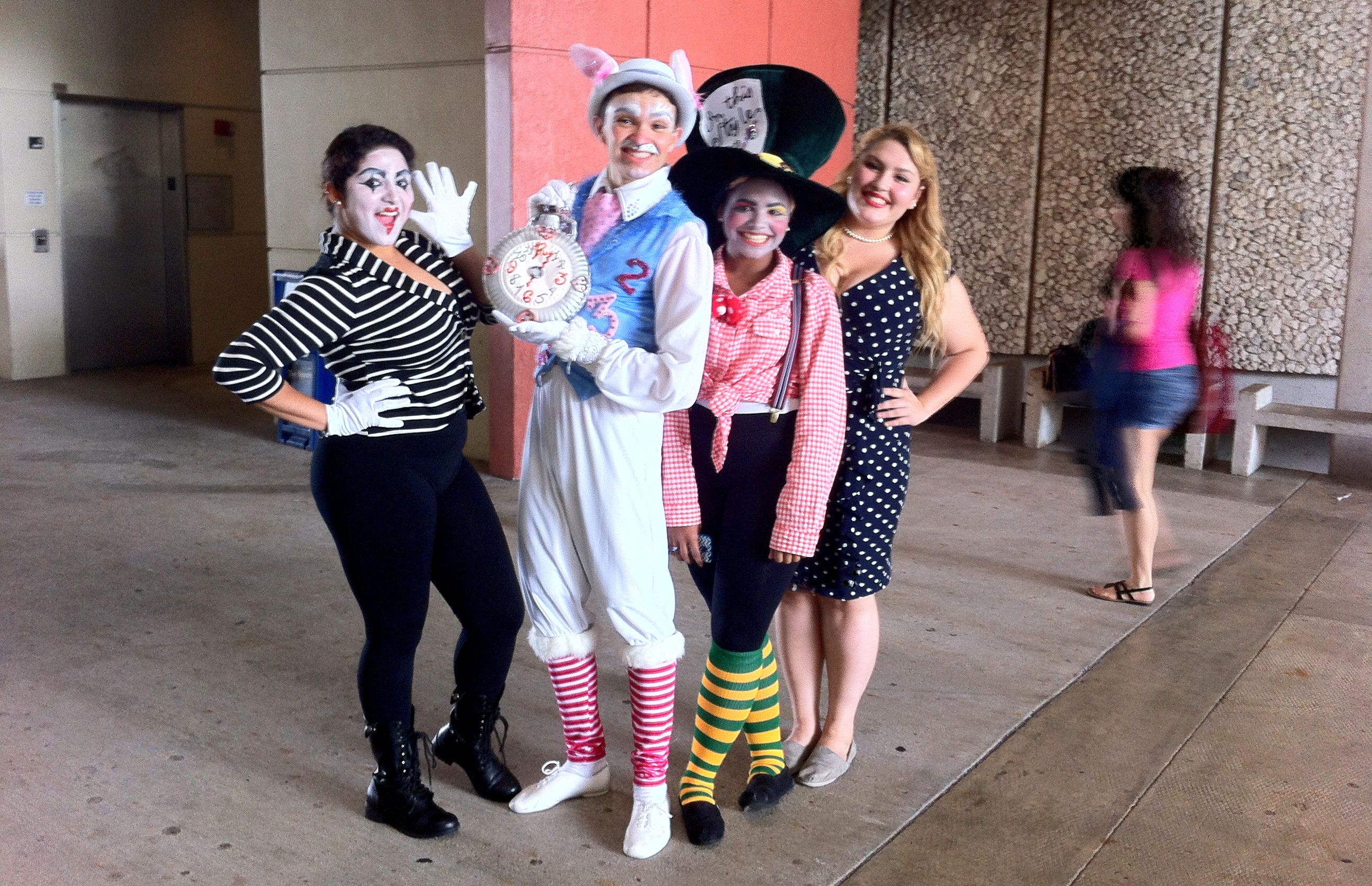
Every Wednesday, at 12:30PM, the Curtain Call Theatre Club of Miami Dade College (MDC) showcases a dress rehearsal of their various repertoires for students, faculties, employees and any other who are interested to follow their progresses. This club is formed by students of the Music, Theatre & Dance Department of MDC To provide an avenue for students interested in all aspects of theatre to develop and share their craft through small-scale performances on the Kendall Campus and in the local community.

You can see in their faces that these fresh, young and energetic students are ready to work hard to become one day the next sensation of the world of entertainment. From left to right, I can guess that the first character seems to be the Caterpillar (where's the hookah?) next to the infamous White Rabbit and the Mad Hatter. The last student looks just like Alice to me. She is in Wonderland here. Go for it!

Errata: I had second thoughts, and after closer inspection, the first character from the left is certainly NOT the caterpillar. She is the Queen of Heart. Click on the photo to see it in full size. Her lips are decorated with a red heart, a familiar way to depict this colorful character in the 1865 novel written by English author Charles Lutwidge Dodgson.
Curtain Calls

Tuesday, September 25, 2012

Vitex negundo

Instead of just telling you what it is that you see in my photo taken this morning... that may be so uninteresting, I chose to plagiarize a beautiful piece of research in botany from a Blog on Tamil Literature, authored by Karka Nirka. I hope this author would not mind terribly.

A story he/she (I can't tell from the name) told was about two lovers Thalaivan and Thalaivi of Tamil Nadu. Thalaivi sneaked out from her parents' surveillance many a nights to be with Thalaivan, until one night that they could not be together. A lament in form of a poem titled "Sleepless Night" was born and it goes like this:

Sleepless Night

The vast city had slept, we did not.
We heard the sound of colorful clusters of aged flowers
which look like sapphires,
decorated on the soft branches of
the nocchi tree, with leaves like peacock feet,
falling down on the Ezhil mountains closer to our house.

Sangam poem by Poet: Kollan Azhici
Translated by Palaniappan Vairam

Intrigued by a tree that has flowers like sapphires and leaves like peacock feet, the author learned of a three-leaved chaste tree and identified it being the nocchi tree as mentioned in the poem.

If you are of the curious type, like me, you can look up the information about a Vitex negundo tree. Many species are five-leaved and the three-leaved species is called kaatu nocchi in Tamil.

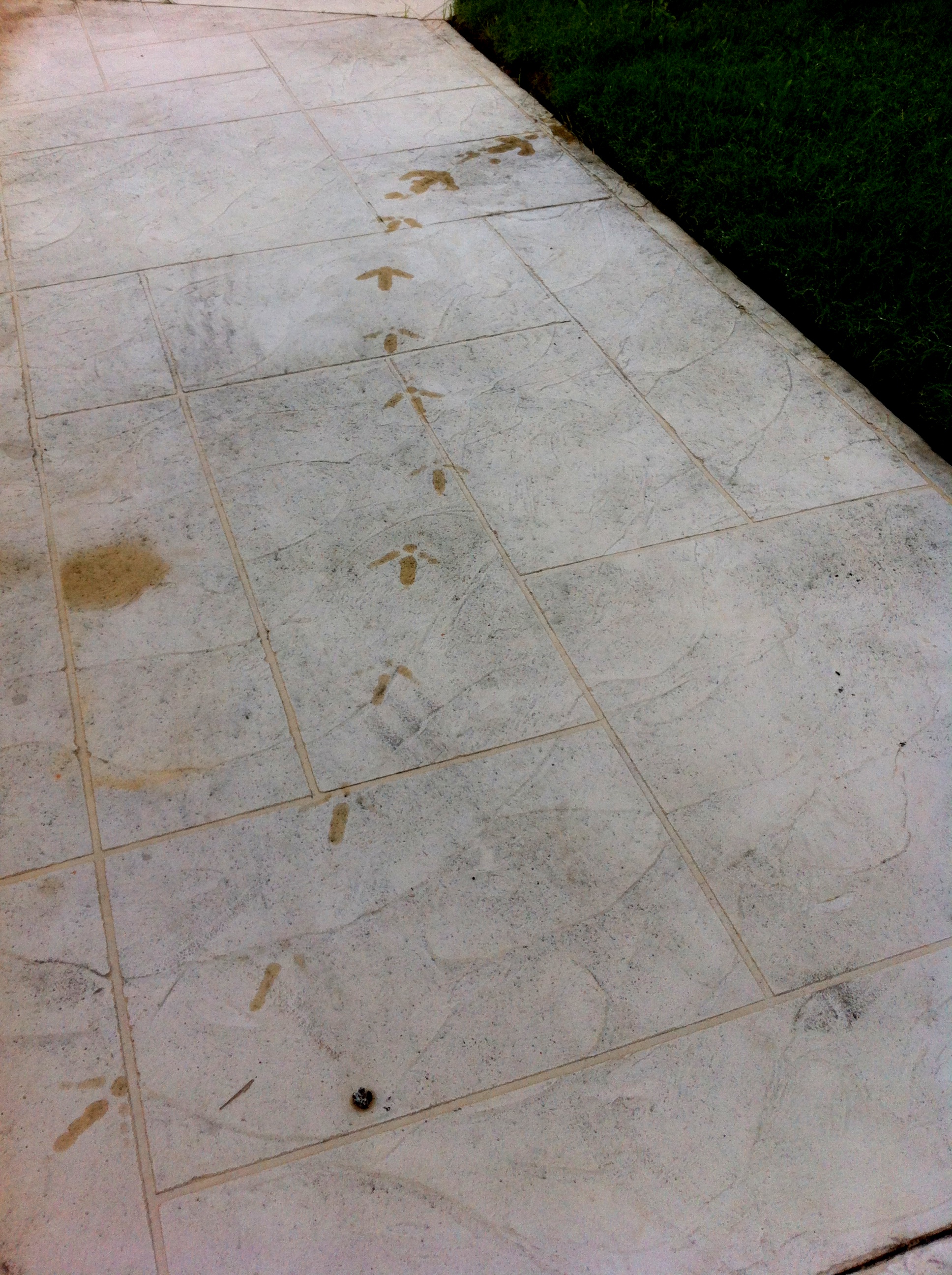
Now, from my rambling, it is quite clear that what you see in this photo is a set of foot prints left by a peafowl. The leaves of the kaatu nocchi look like that. Of course you can't tell if that was a peacock or peahen... Or can you?
Sleepless Night

Monday, September 24, 2012

Please Help

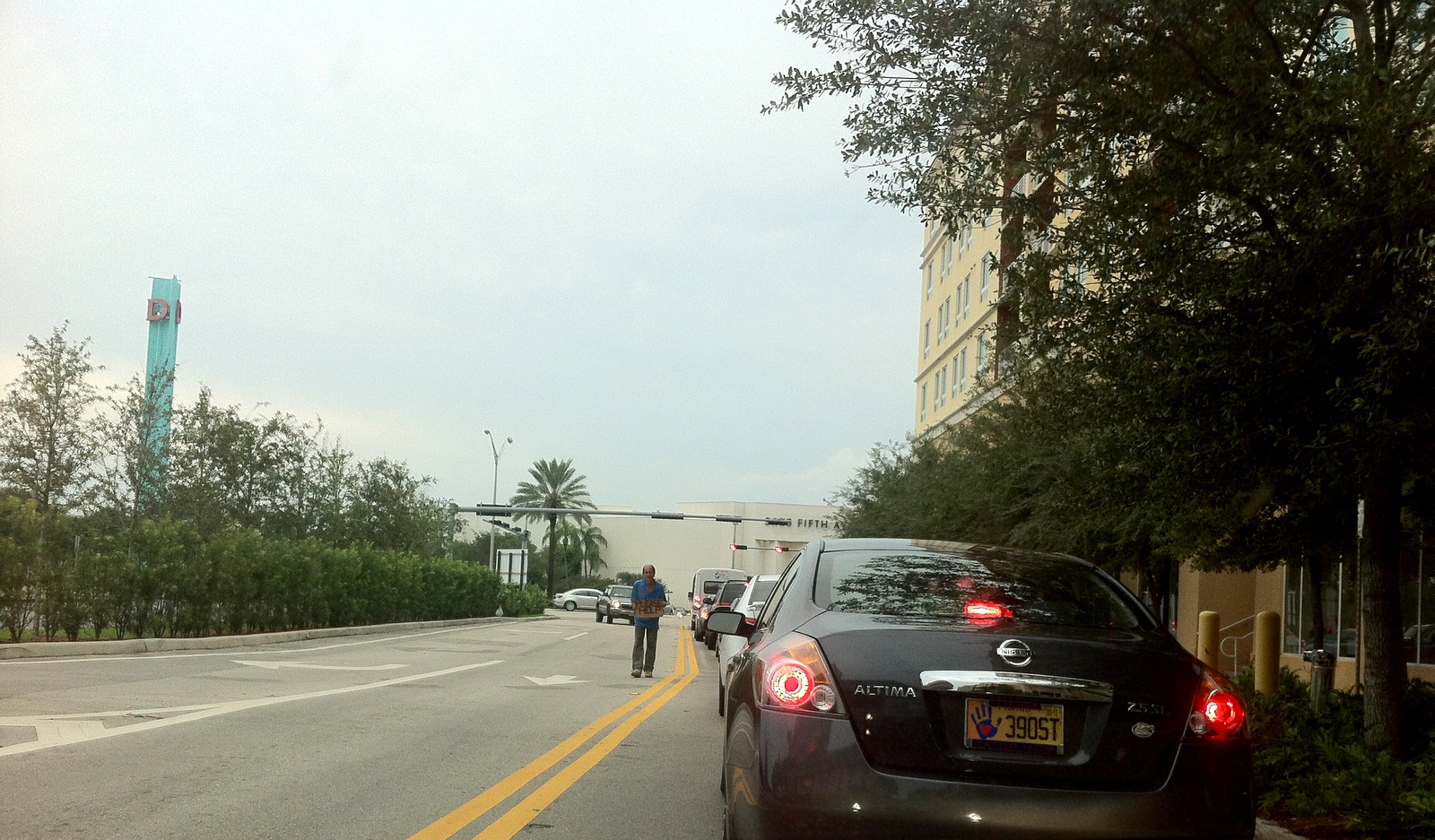
Here is another look at a dark side of cosmopolitan Miami, a homeless man. I think this man is haunting this area and I see him once in a while. Today I offered him two dollars. Some of my friends told me not to do that because "they just use the money on beer or drug." I don't think so! He carries a cardboard that says "Please Help." To me, that says it all.
Help Me!