Sunday, May 20, 2007

University of Miami

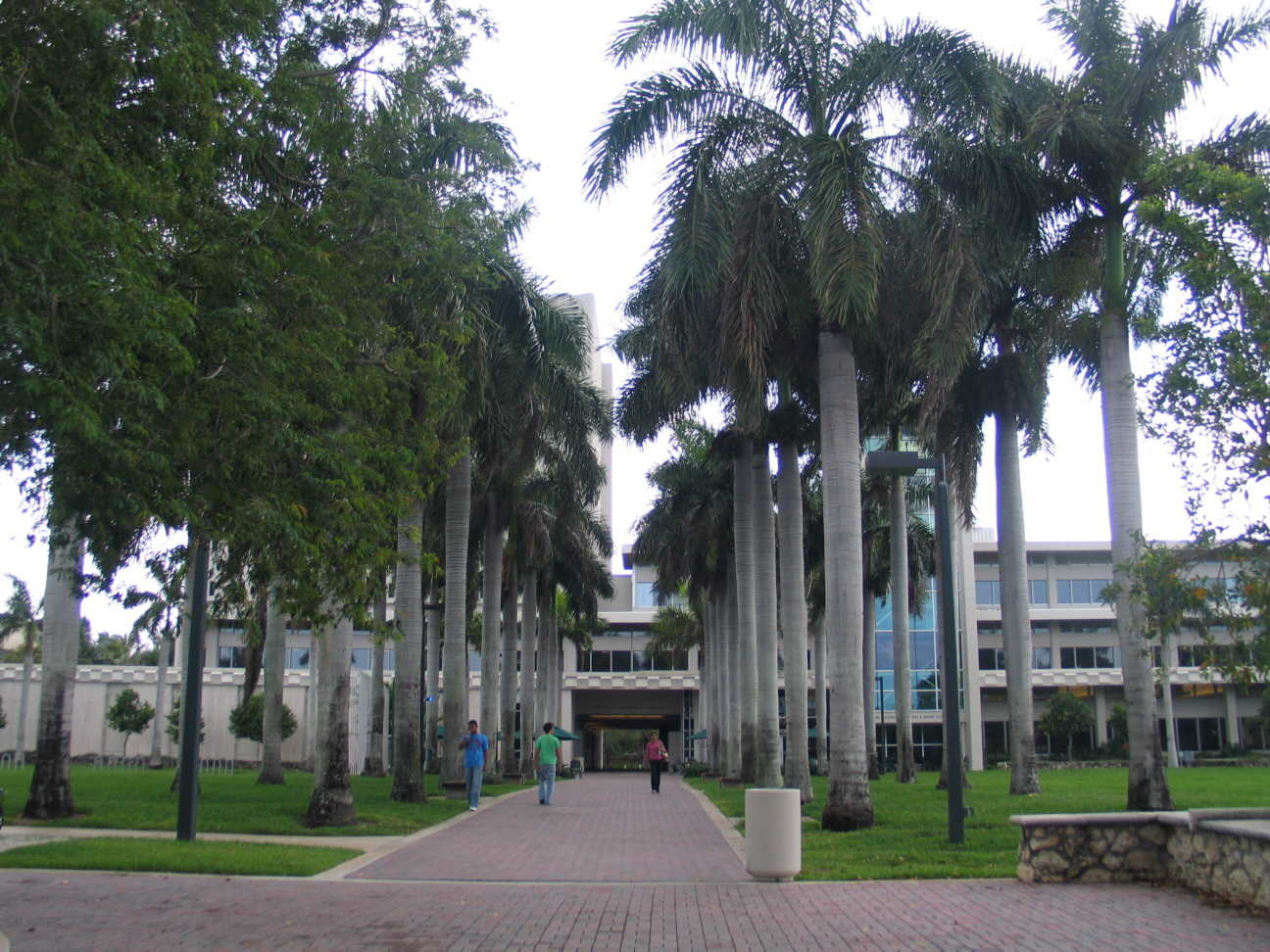
The University of Miami Libraries rank among the top research libraries in North America. Located in the main campus in Coral Gables is the Otto G. Richter Library which is the University of Miami's main library. It houses collections that serve the arts, architecture, humanities, social sciences, and the sciences. It is a depository for federal and state government publications. Rare books, maps, manuscript collections, and the University Archives are housed in the Special Collections Division and in the Cuban Heritage Collection. Otto G. Richter Library's collections are stored in a six-story high tower that unfortunately is hidden from view behind the row of tall palm trees on the left. Students conduct research and study mainly inside the three story high wing seen on the right side.

Other libraries are distributed among several large campuses specialized for Music, Atmospheric Sciences, Business, Architecture, Law, and several more for Medicine.

UM Main Library

Saturday, May 19, 2007

Baby Bear

Here is a break from photos of building, plants, flowers of Miami... This is Bear, a brand new puppy resident of Miami. He is 5 month old, getting accustomed to the climate of Miami and being toilet trained. He'll love it here.


Bear Puppy

Friday, May 18, 2007

Monster House

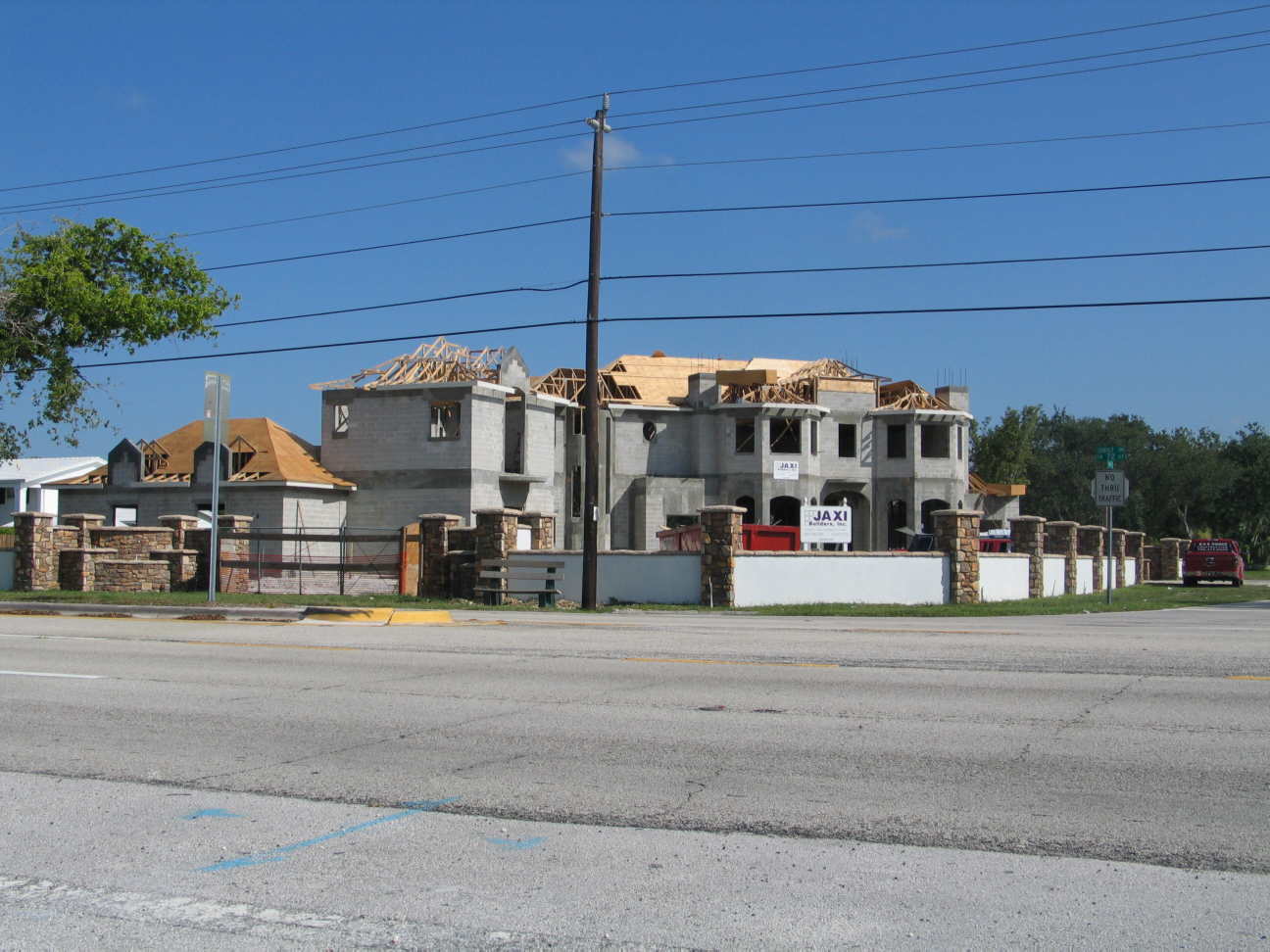
Here is a brand new house being built in Miami. This has all the earmarks of a "monster house" in the works. "Mansions" like this appear more and more often here. I can't tell how many rooms it will have, but I can say there will be plenty of them.

As you can see, the blue sky has returned to Miami.

New Construction

Thursday, May 17, 2007

Ylang-Ylang

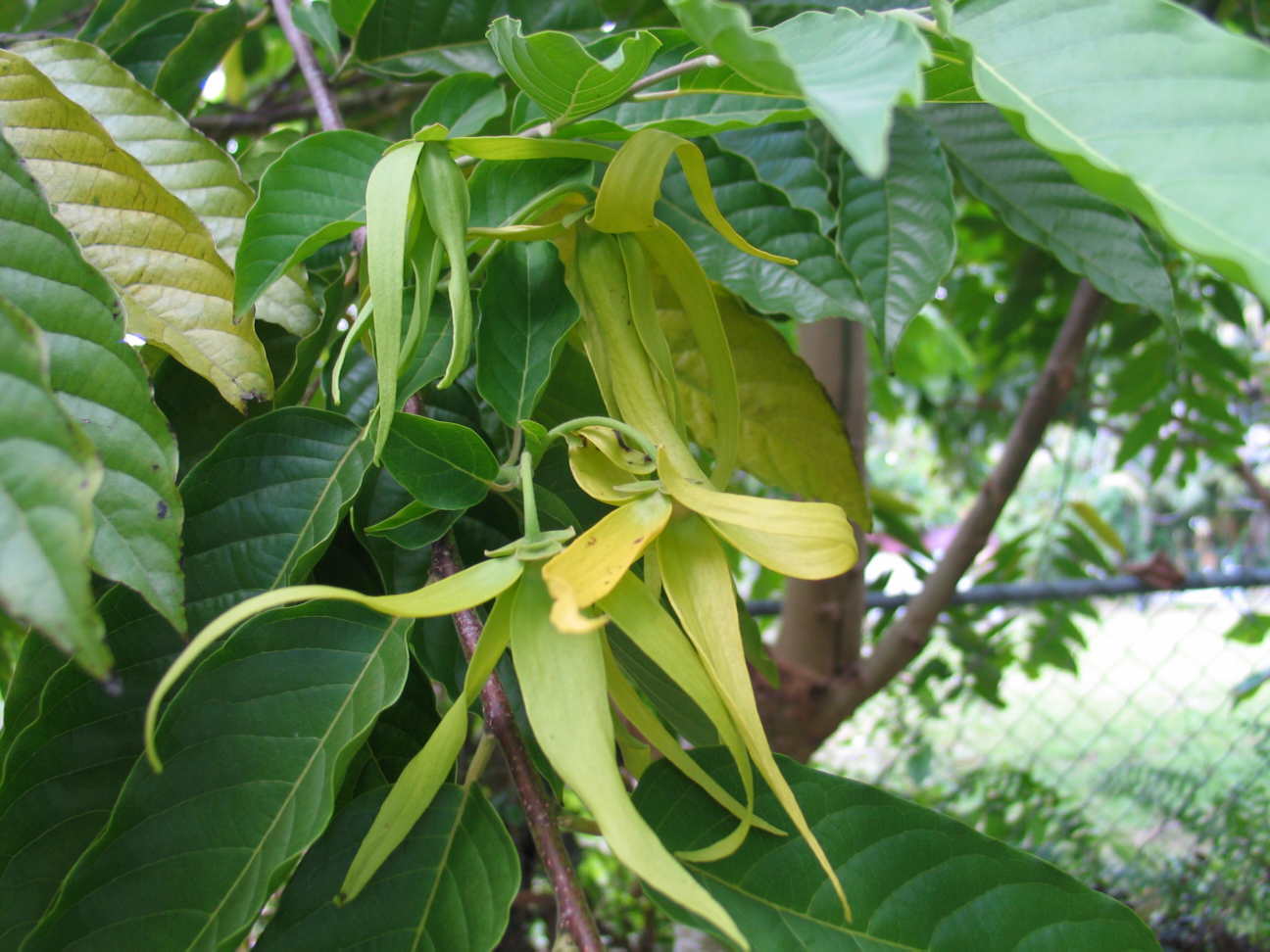
Although difficult to spot on the tree because of their greenish colors, the flowers of the Ylang-Ylang (Cananga Odorata) perfume-tree show well in this photo. This is a fast growing tree that was decimated by hurricane Wilma two years ago. It was cut back to a stump but has now completely recovered, and is constantly in bloom. The flowers are large, greenish yellow (rarely pink), curly like a starfish, and yields a highly fragrant essential oil. The scent is overpowering as I stand close by to take the photos.

This is the flower that world famous Coco Channel used in her Channel No. 5 perfume in 1923. The essential oil of Ylang-Ylang is also used in aromatherapy.

The name Ylang-Ylang is derived from Tagalog, either from the word ilang, meaning "wilderness", alluding to its natural habitat, or the word ilang-ilan, meaning "rare", suggestive of its exceptionally delicate scent. The plant is native to the Philippines and Indonesia and is commonly grown in Polynesia, Melanesia and Micronesia.

Perfume Tree

Wednesday, May 16, 2007

Miami Waves

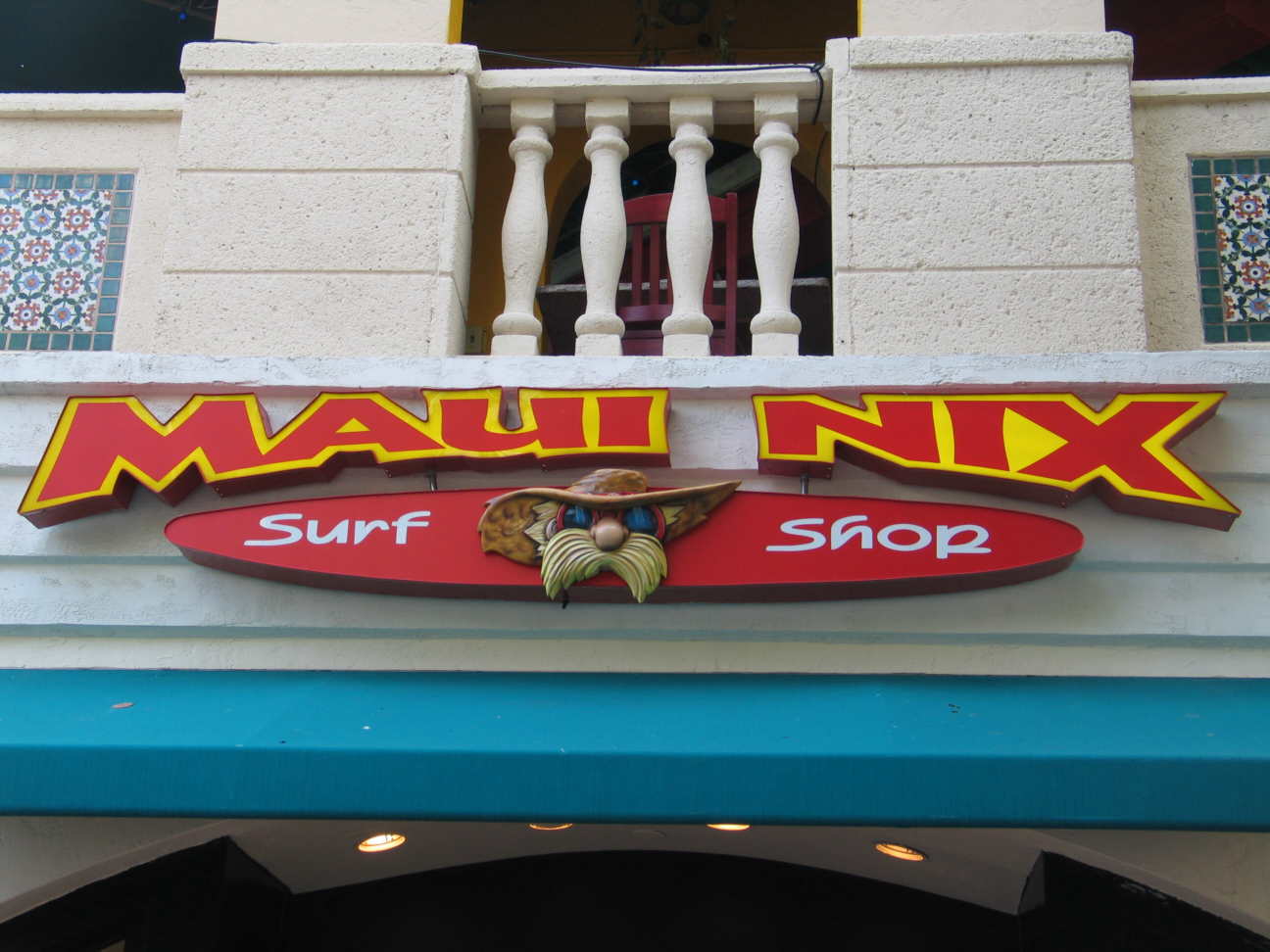
No, I am still in Miami, and not in Hawaii (I wish!) On the way back to Miami, I chose to avoid traffic on US1 and went through the Grove instead. I never did notice that there is a surf shop here but I do see real surf boards displayed in the store's window! Surfing in Miami? Where do they go to get the waves? The ocean around here is flat as a pancake, unless a hurricane shows up. This is a very brave shop owner.

Surf Shop

Tuesday, May 15, 2007

Eat me!

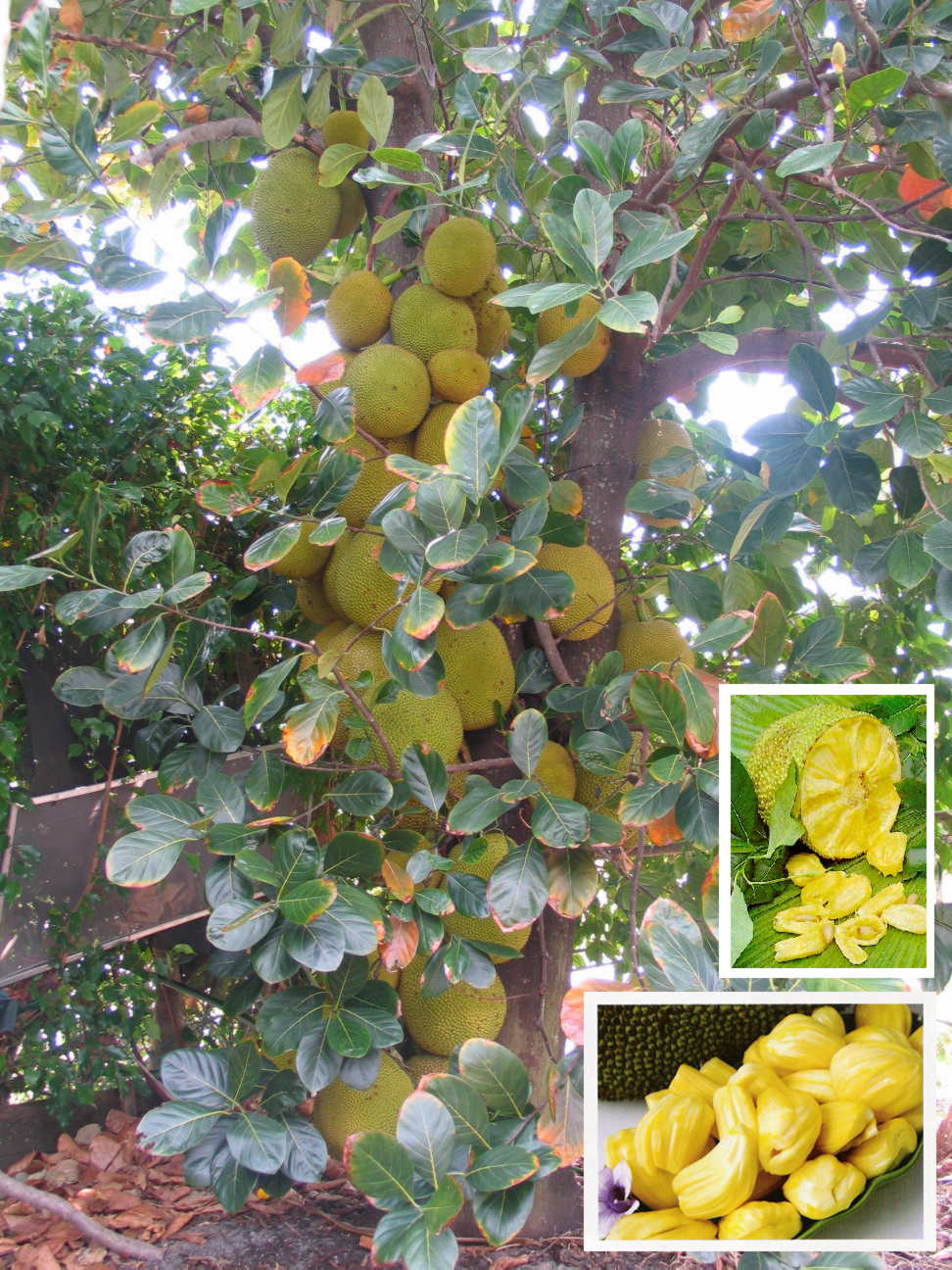
This is a follow up of a previous blog (April 10th) about the jackfruit (Artocarpus Heterophyllus.) This is the full fruiting season of this tree in Miami and I am lucky to stumble on this particular one. It is rare to find a tree so loaded with fruits. This may win the Guiness book of records if it is being kept somewhere. The jackfruit, as many other fruits, can be used for cooking when green and eaten as a fruit when ripened.

This fruit has heavy and sticky latex that is a real nuisance. The latex easily sticks to any surface and it is not easy to remove. If it gets to your shirt, your shirt is a goner! Do not cut the fruit until you have drained as much latex as possible. One way to do that is to drive a large stick to where the stem is, stick it in the ground in your neighbor's yard and let the latex drain through the stick. When cut open, the interior consists of large "bulbs" of yellow and vaguely banana-flavored but very strongly scented thick flesh. That is the part that is eaten. The detached bulbs are seen in the inserts of the photo. Each bulb encloses a large thumb size, smooth, slippery, oval, light brown seed covered by a thin membrane. There may be 100 to up to 500 seeds in a single large fruit. When fully ripe, the unopened jackfruit emits a strong disagreeable odor while the pulp of the opened fruit smells of strong mix of pineapple and banana, but distinctively "jackfruit." Once the taste is acquired, this fruit is delicious. I like it.

The seeds are eaten boiled or roasted. Good to eat, but this is worse than baked beans for after effects. Trust me, don't eat it.

Jackfruit, again

Monday, May 14, 2007

Dying Species?

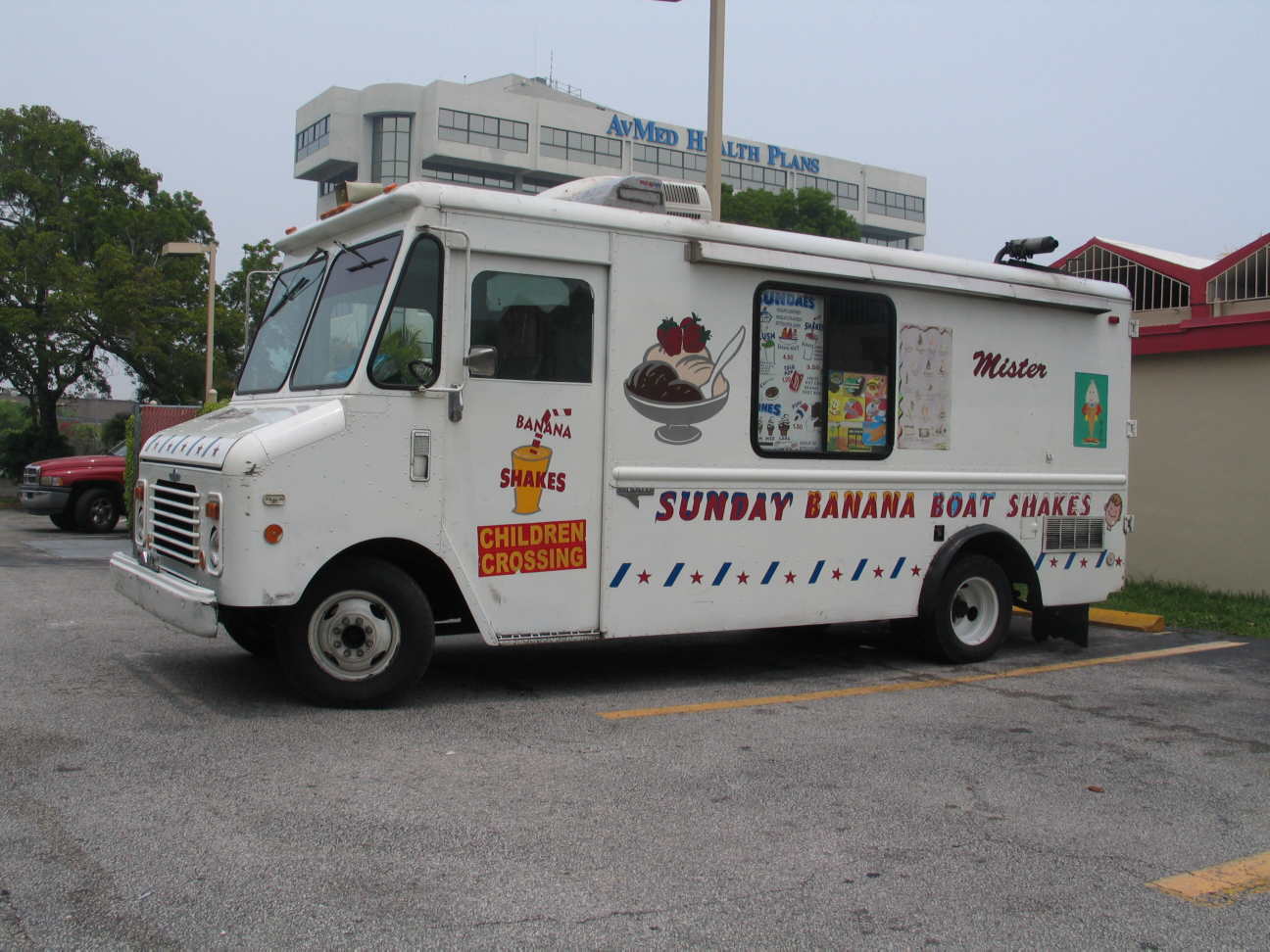
Here is something that is not seen very often in Miami: a mobile ice cream truck. These are usually run by independent vendors making a living taking sweet treats to kids. I am not sure how they can compete with national franchises that not only monopolize the market, but always create inventive ways to squeeze minuscule mobile vendors like this to death. Now, most high schools do not allow trucks like this one come close to their grounds because they have lucrative contracts pushing other national products.

Mobile Treats

Sunday, May 13, 2007

Remember Mothers

The celebration of Mother's Day can be traced back to Greece in the 1600's, and later in 1872 in the US. In 1907, Mother's Day was first celebrated in a small, private way by Anna Jarvis in Grafton, West Virginia, to commemorate the anniversary of her mother's death two years earlier on May 9, 1905. That started the national tradition of all Mothers being honored throughout the US on Mother's Day in May. Mother's Day is today, May 13th. Flowers, phone calls, family reunion and treats for Mothers in restaurants are traditional gifts for Mothers; and Mothers do not have to do any work today if they don't feel like it. Breakfasts served in bed on Mother's Day is the way small kids say they love their Moms.

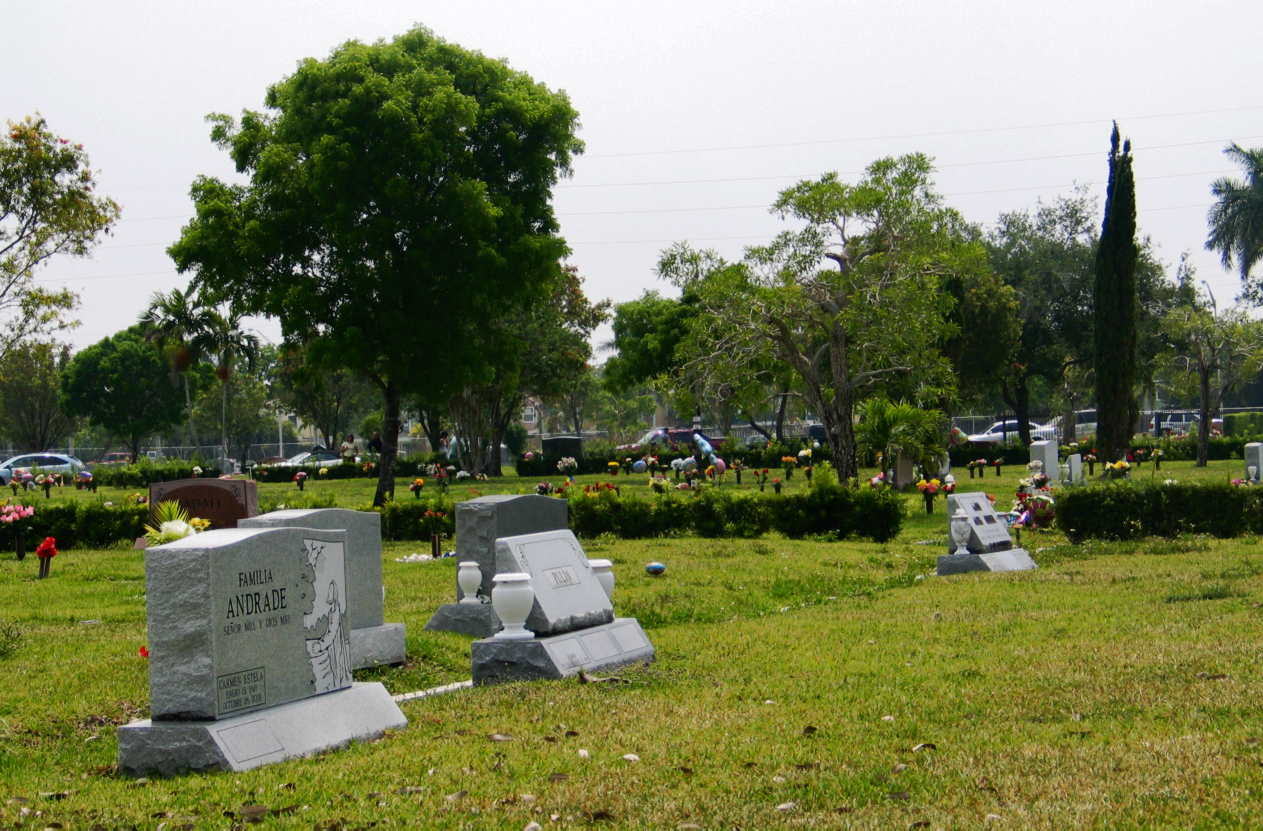
Departed Mothers of course are not forgotten so visits are heavy at local cemeteries. There was a big traffic jam at this cemetery where I came to bring flowers and pay respect to one Mother; and to reflect on all Mothers resting here.

Mother's Day

Saturday, May 12, 2007

Smoke Filled

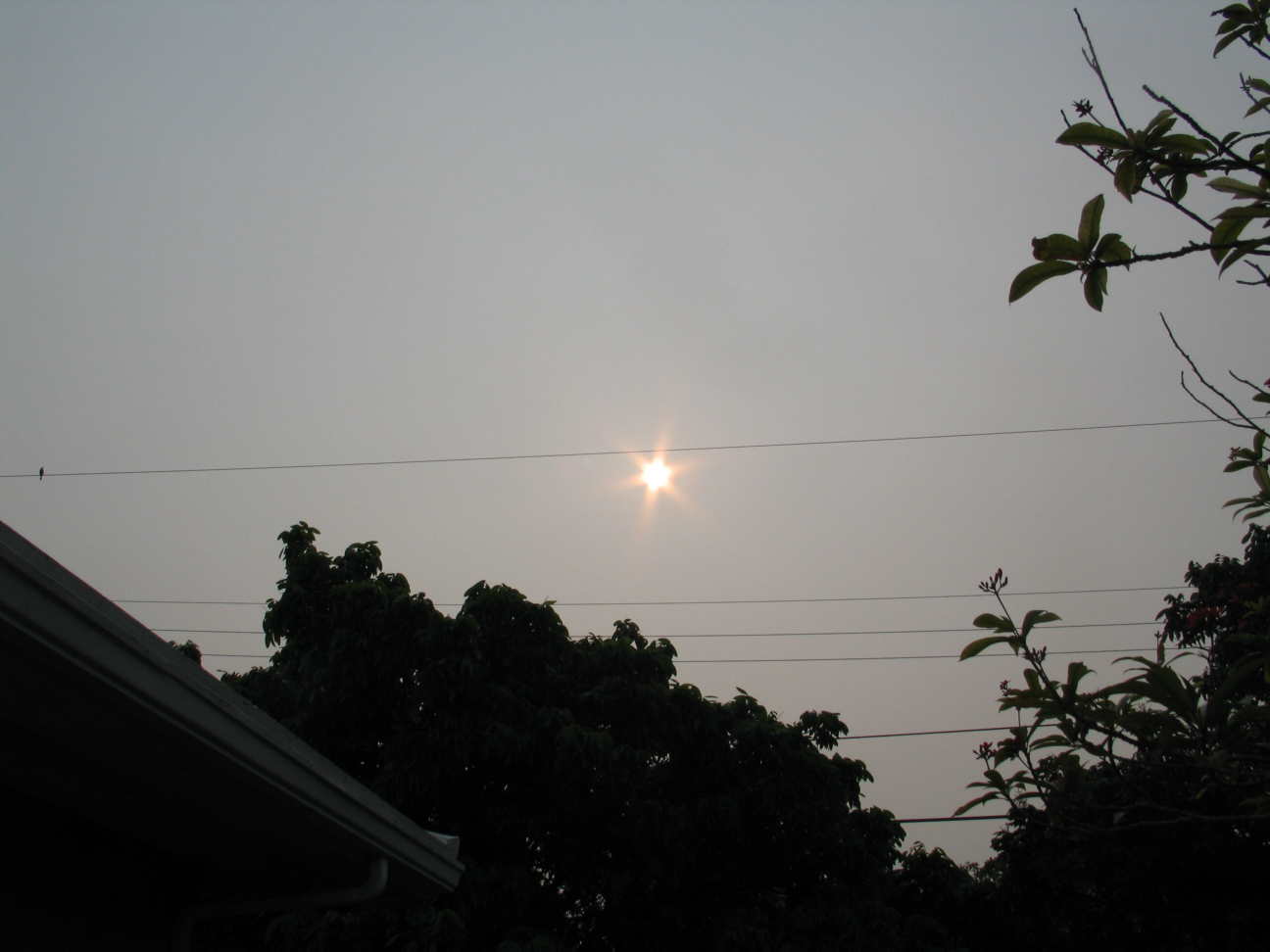
The blue sky has disappeared from Miami the past few days. You may remember seeing, and some of the comments noticed the perpetual blue sky in my photo blogs. No more these days. America is "on fire" and Florida is doing its share. The drought is so severe this year that wild fires are raging in a lot of different places in the US (one of which is the "paradise" Catalina island in California.)

In Florida, there is a big fire way up at the Florida-Georgia border at Lake City, about 300 miles North of Miami. The fire has scorched more than 180,000 acres and the haze takes over the Miami sky. The sky has looked like this for the past few days, pathetic! The poor lone bird perched on the wire on the left must think the same way. When the sky turns blue again, I will let you know.

Gray sky

Friday, May 11, 2007

Full bloom

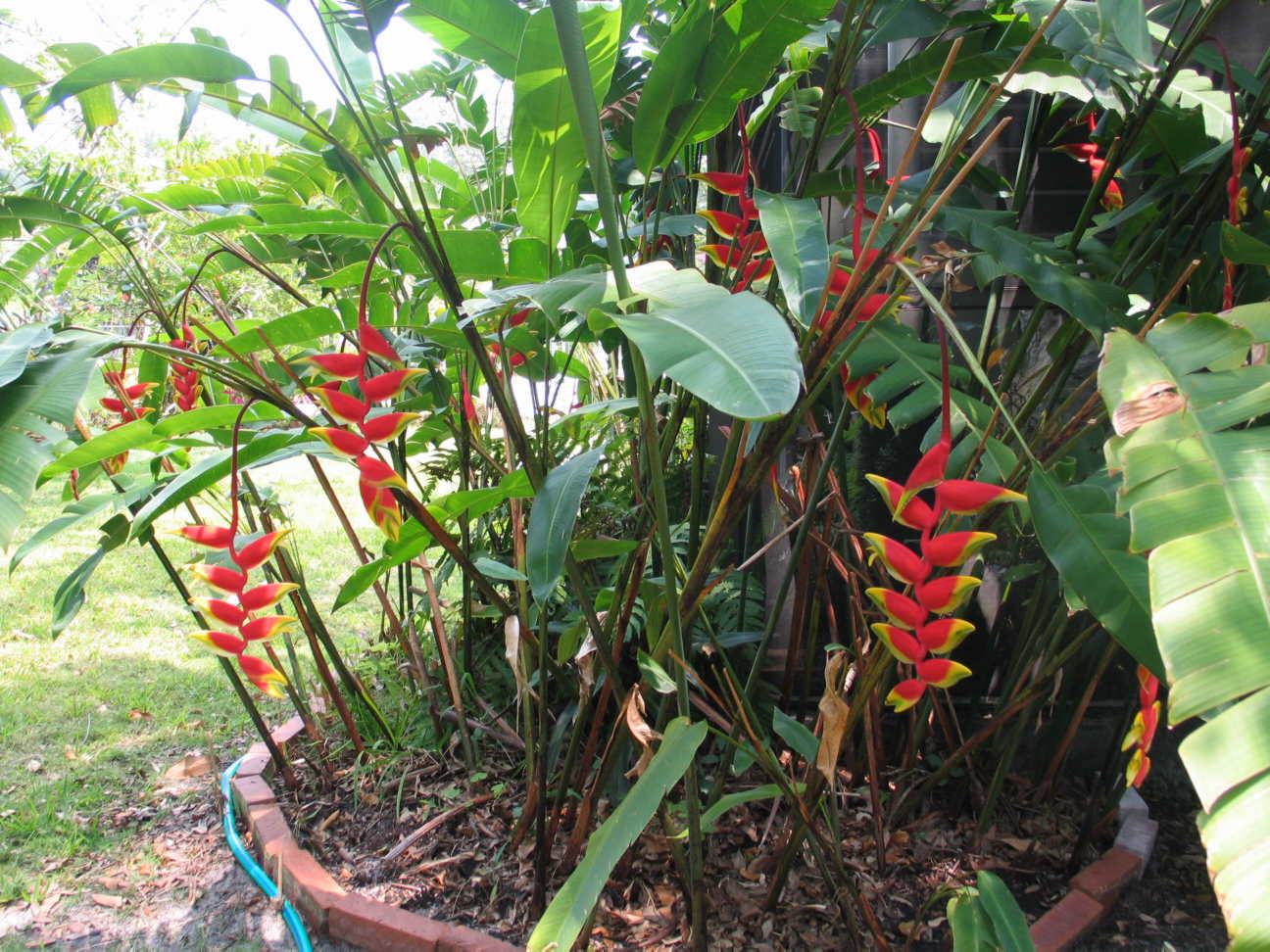
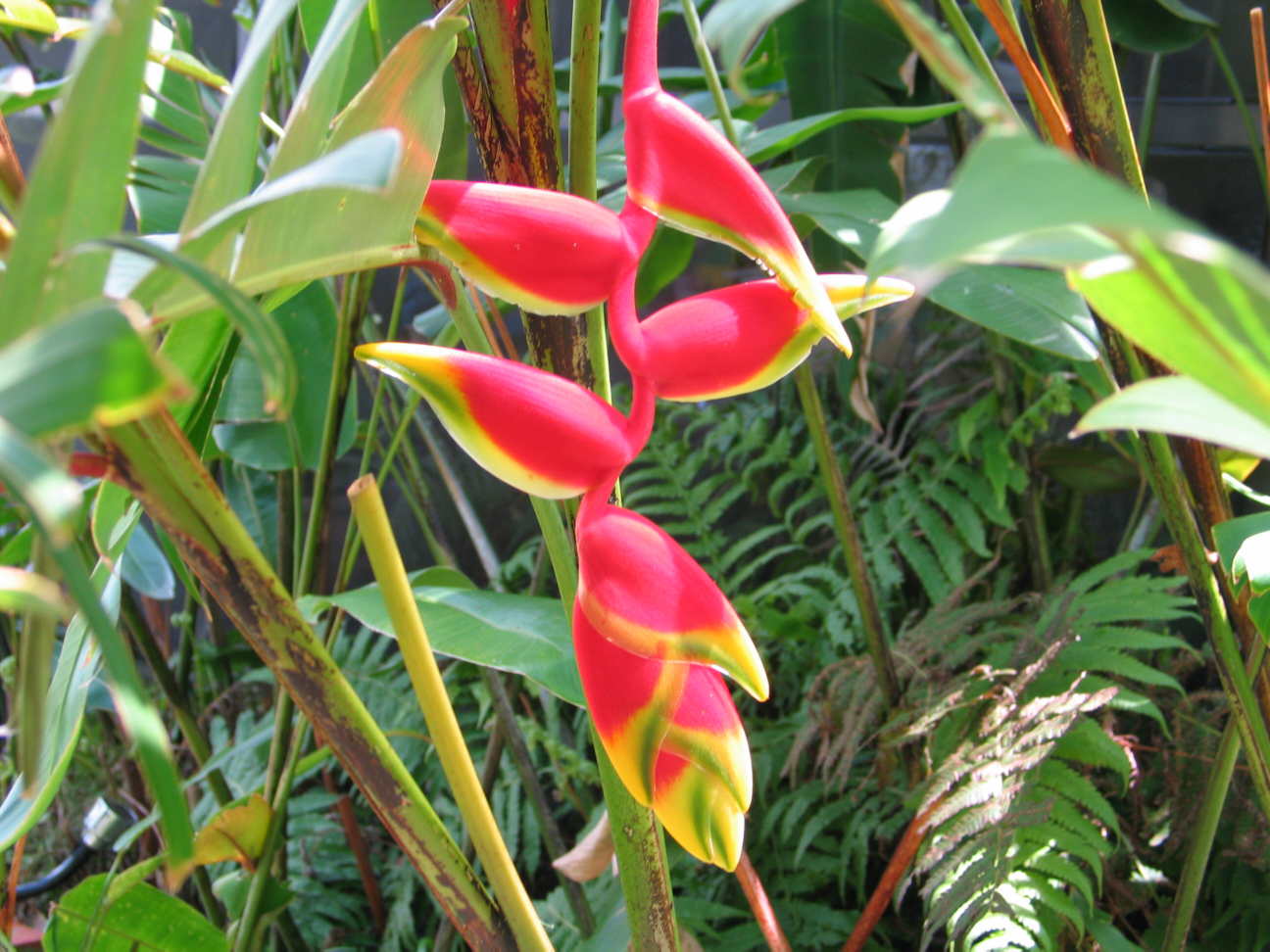
Heliconia rostrata in full bloom. The first bloom was blogged on April 11th, exactly one month ago.

Full bloom

Thursday, May 10, 2007

For Sale

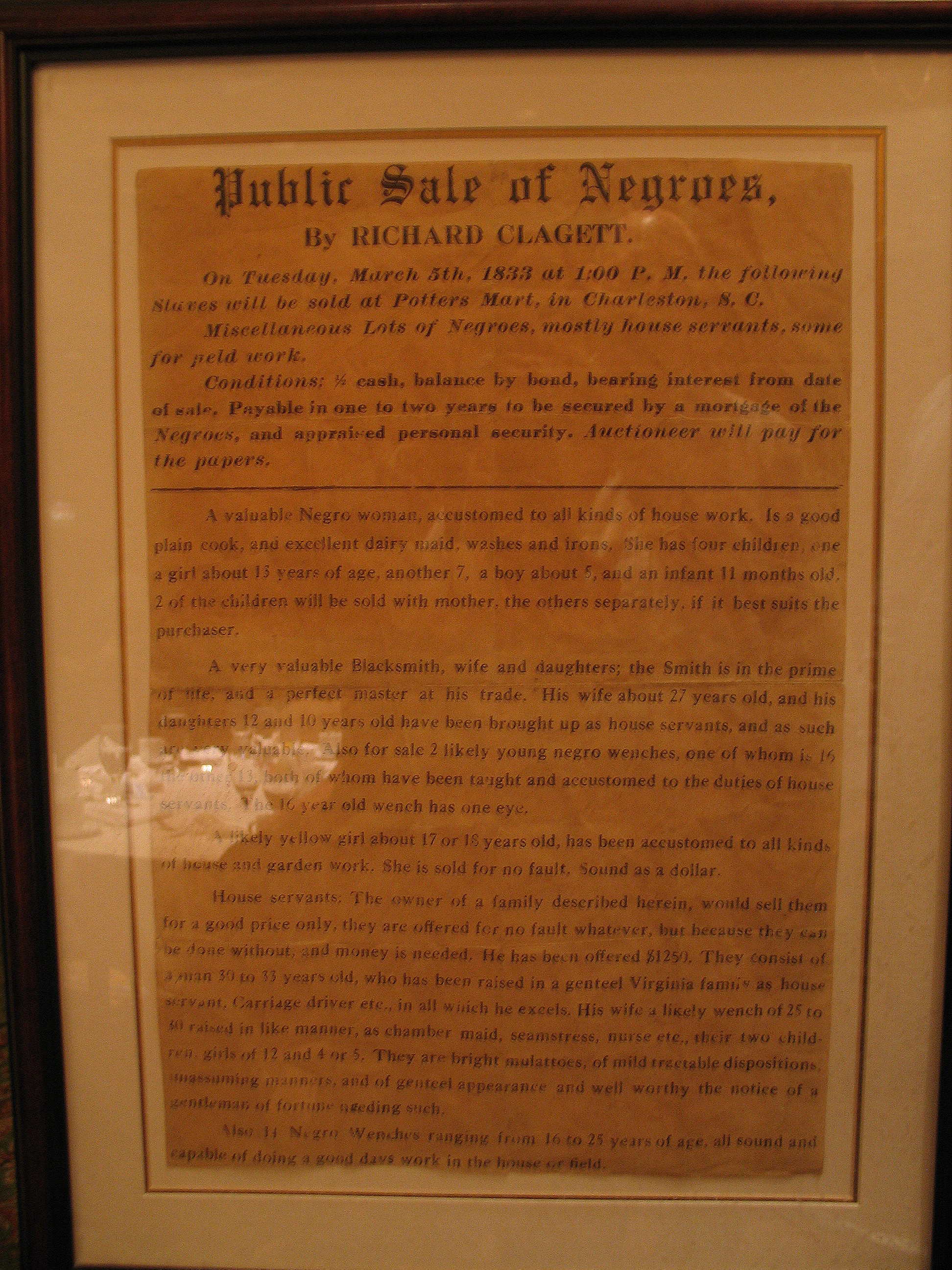
This photo is taken in Miami, which, being a South Eastern city of the US, was part of the history being told today. The photo is one of the many historical documents displayed at a presentation about the US Civil War. There were many fascinating facts and photos (old photos) but this one got my full attention. It is in full 5MB resolution and I hope you can read the text. This public sale announcement sent a chill up my spine reading it now, in the 21st century, in 2007. The event described in the document dated 1833.

During the Civil War the lighthouse lamp in Cape Florida, in the Key Biscayne community South of Miami was destroyed by a band of marauders believed to be Confederate soldiers. Of course, the Cape Florida light house will make a great blog some day.

For Sale

Wednesday, May 9, 2007

Harry Potter

Bookstores are extremely popular in the US. Americans have voracious appetite for books and they visit bookstores nationwide to browse and buy their books. Here is a shot of the children's section of a bookstore in Miami. Books and merchandise about Harry Potter are prominently displayed. Harry Potter books are by J (Joanne) K Rowling, an English fiction writer, that sold over 377 million copies worldwide making her the first person to become a US-dollar billionaire by writing books in 2006 and the second richest female entertainer in the world. It's no wonder because the two most recent books: Harry Potter and the Half-Blood Prince & Harry Potter and the Order of the Phoenix are priced at about US $30 each in this bookstore! Of course, you can get them cheaper on line, but the children cannot wait! The next book to come out July 21st this year is "Harry Potter and the Deathly Hallows" in children's and adult's editions. Reading age kids can't wait to buy this book and they will wait in line the night before the day it will be released.

Bookstore

Tuesday, May 8, 2007

Economic Casualty

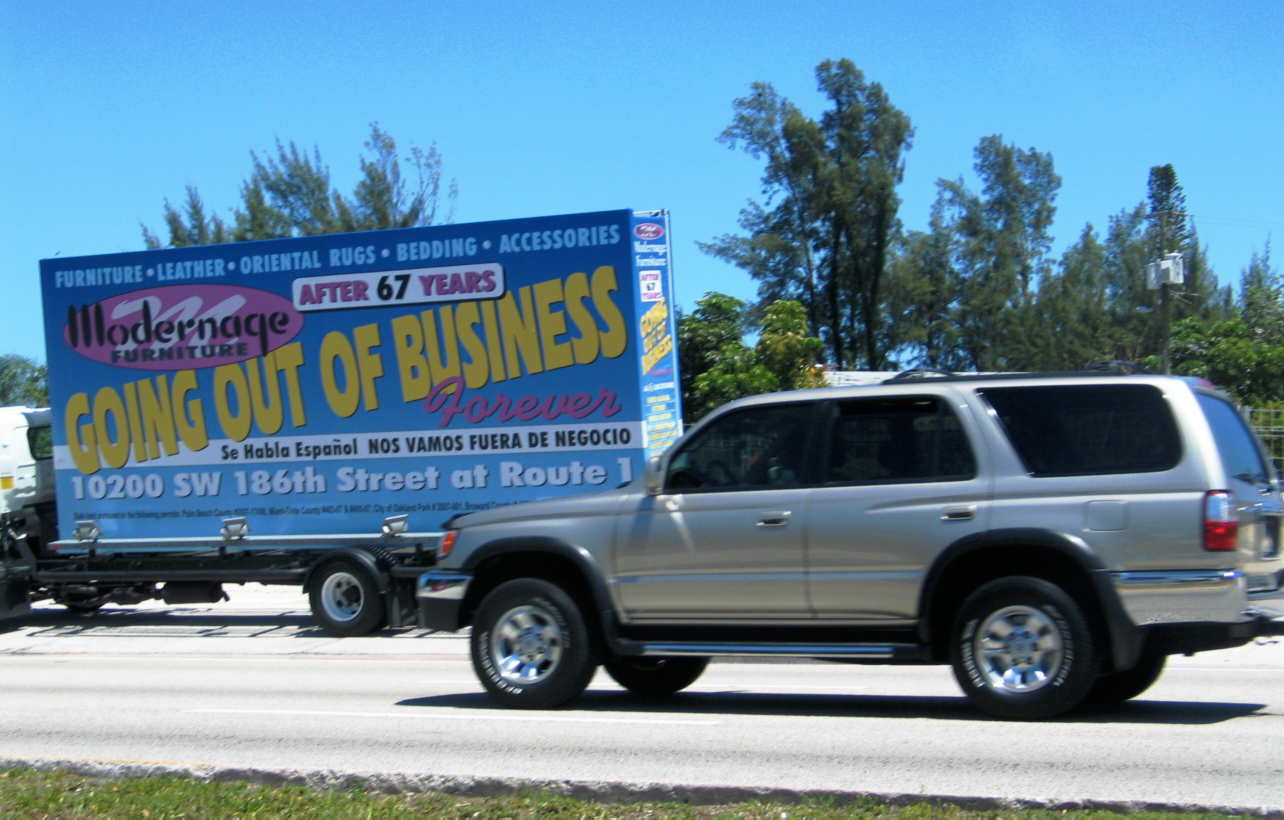
It's curtains time for Modernage Furniture in Miami... Leath Furniture, with corporate offices in Atlanta, has 31 stores. The majority of them (24) are in five midwestern states of the US with 7 in the state of Florida that operate as Modernage Furniture, a division of Leath Furniture. 3 Modernage stores are in Miami.

Leath furniture is closing all the stores in Florida and Wisconsin, citing tough competition. The sad story here is there are about 200 employees working for Modernage in Florida who will lose their jobs. The "going out of business" announcement is posted on a huge banner truck for roadside advertisements.

Out of Business

Monday, May 7, 2007

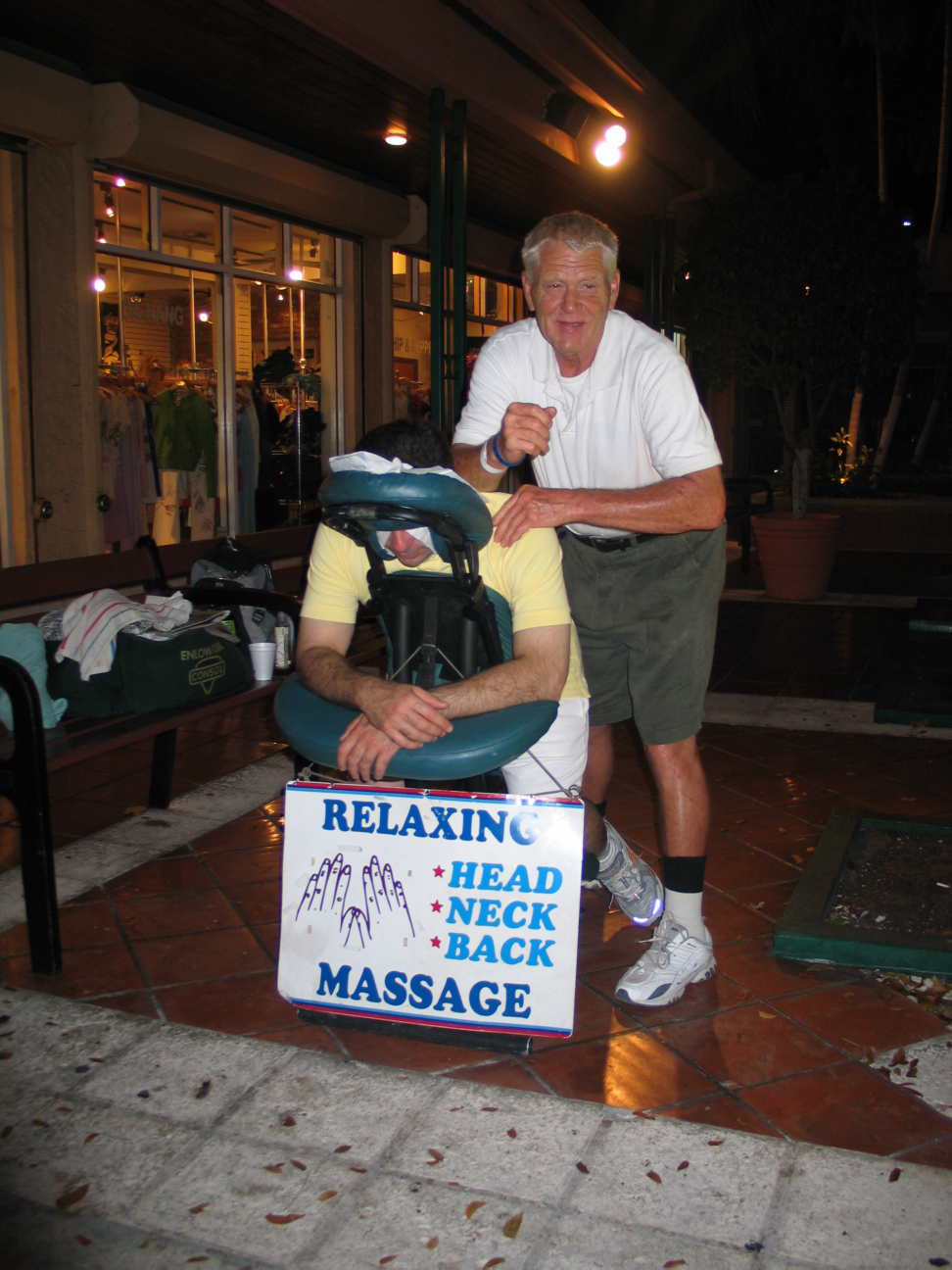
Grove Massage

The Grove of Miami is catered to the tourists and it knows just what to do. After a long afternoon of walking, the tired bodies really can appreciate a firm hand, elbow and forearm massage so they can be primed for a nice tropical drink and dinner afterwards.


Massage Service

Sunday, May 6, 2007

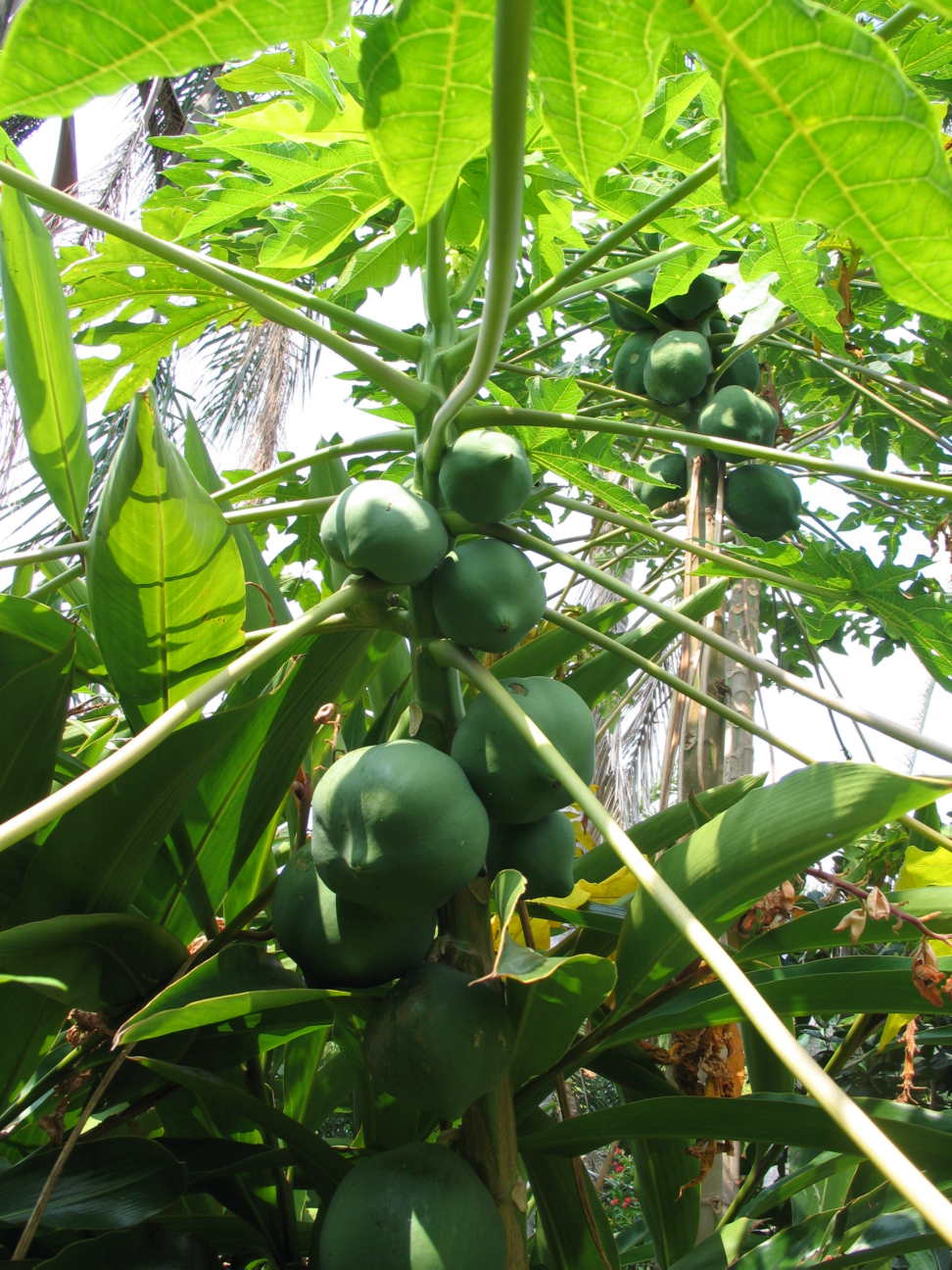
Carica Papaya

The papaya is the fruit of the tree Carica Papaya, in the genus Carica. It is native to the tropics of the Americas, and was cultivated in Mexico several centuries before the flourishment of the Mesoamerican classic cultures. The original name of the fruit in Nahuatl was chichihualtzapotl, that means "wet-nurse fruit", and it was closely related to fertility concepts. The reason being that when the papaya is plucked from the tree, a thick pure white sap profusely oozes from the stem that exactly resembles milk.

Nowadays, the papaya is also known as fruta bomba, lechosa (Venezuela, Puerto Rico, the Philippines and the Dominican Republic), mamão, papaw (Sri Lankan English), Papol Guslabu (Tree melon in Sinhalese ), pawpaw or tree melon.

Papaya grows easily in Miami. Its fruits can be eaten green in salad (yummy) & here or ripened as fresh fruit (yucky!)

Green Papaya

Saturday, May 5, 2007

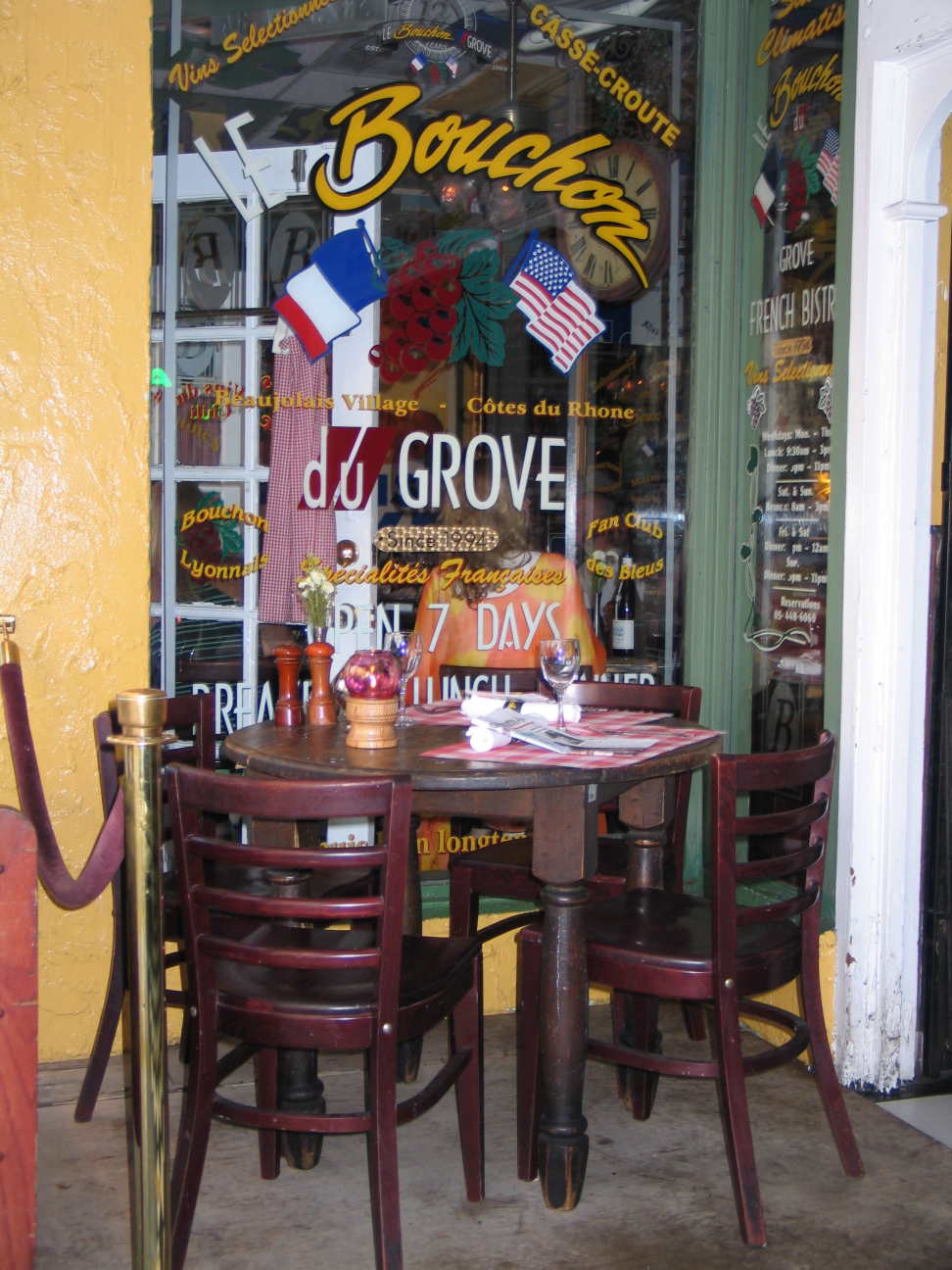
French Bistro

Le Bouchon Du Grove is a good place for cafe and croissants in the morning. This French owned bistro looks like it's been lifted from the Left Bank and transplanted here in the Grove. The mussels are delicious and English is spoken with French accent here.

Bistro Le Bouchon

Friday, May 4, 2007

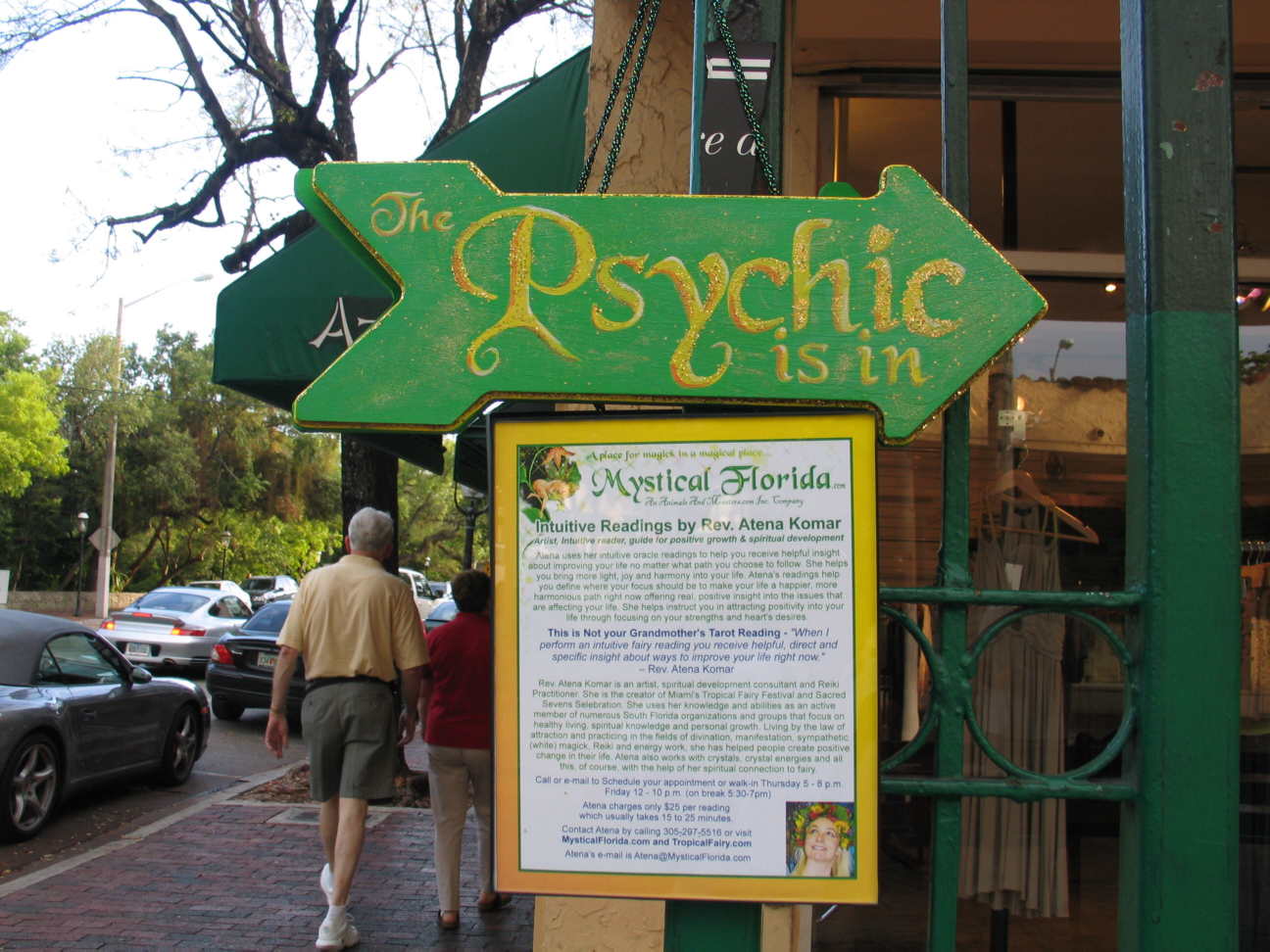
Mystic Grove

Coconut Grove, originally spelled Cocoanut Grove, is a neighborhood located in the City of Miami. Once an independent city, Coconut Grove was annexed by the city of Miami in 1925. World-renowned for its annual art festivals such as the King Mango Strut and the Goombay Festival in June, the Grove is known as Miami's Food Court where open air cafes are quite popular. Local residents and tourists populate this area year round and all kinds of business thrive.

Here is a US $25 per 15 - 25 minute fortune reading by a fairy psychic. Judging from the cars parked "pele mele" in the streets, the patrons can certainly afford any price.

Psychic

Thursday, May 3, 2007

Jazz Musician Tim

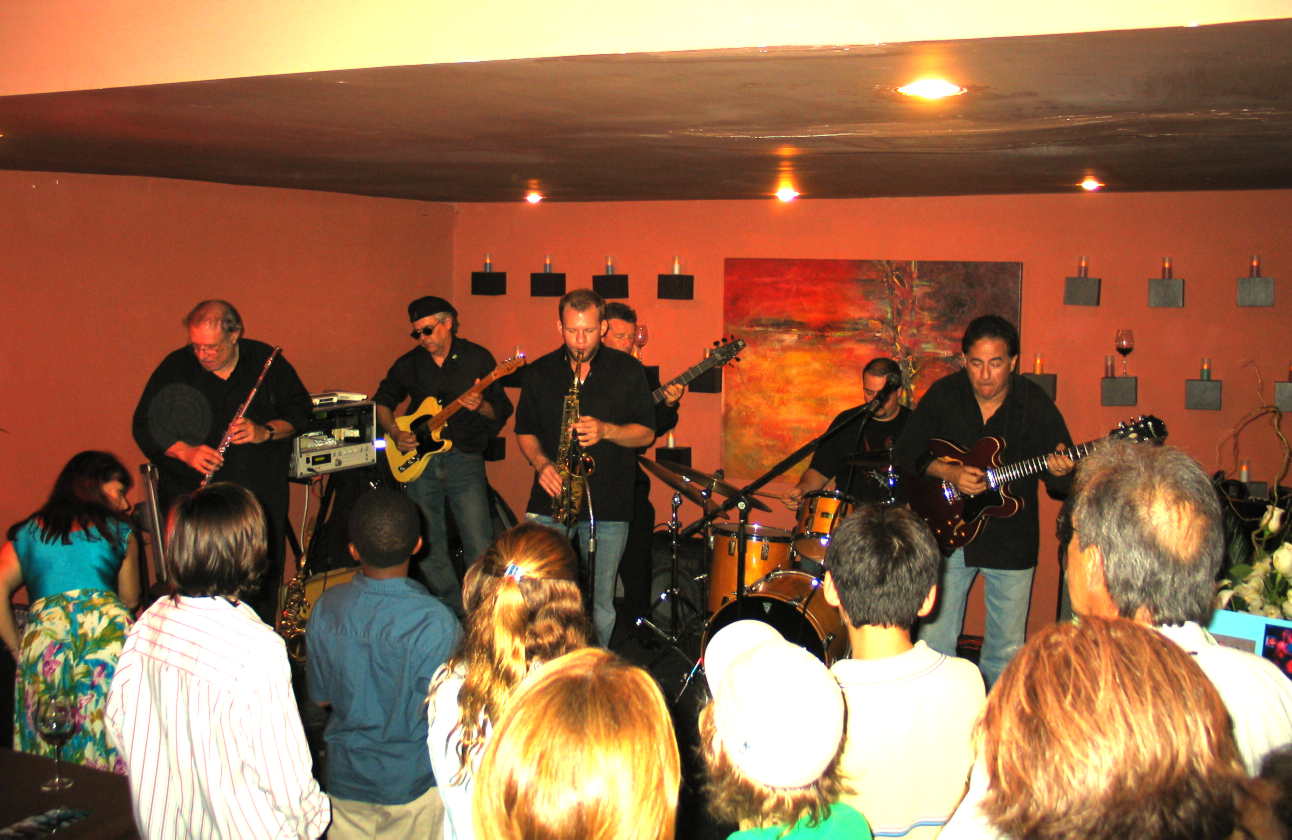
I can't believe this is the second funeral service that I had to attend within less than a week. The last one was just last Friday, April 27th. This time, a beloved and talented local jazz musician passed unexpectedly and it was decided that all his loved ones, students and friends get together to celebrate his beautiful life. This is the band that he performed with for many years at this restaurant in Coconut Grove, an after dark soul of Miami. The young audience in the front rows were his students.

Wednesday, May 2, 2007

Popular Bakery

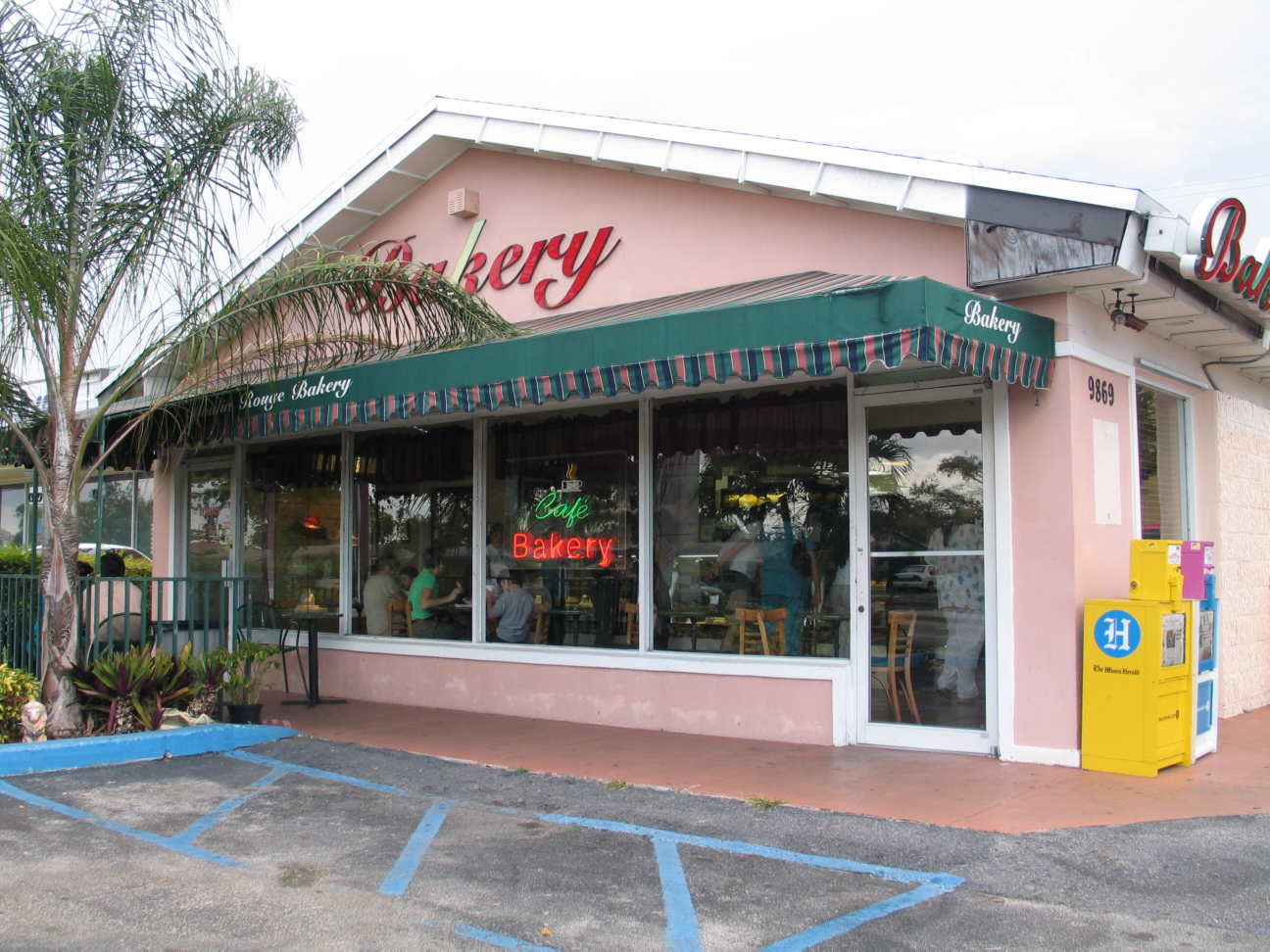
Here is a very popular bakery in South Miami. There is always a long line of customers inside to buy the sweet treats. The clientele is mainly Cubans and the treats are very delicious. It's a Cuban bakery with a very French name of "Le Moulin Rouge." Their Tiramisu is why I come to wait in line.

Tuesday, May 1, 2007

Gator City

OK. I think this is a pretty bad idea: Blog of another city but not yours! However, I want to be a sport so I am obliging. I had to drive quite a few miles to get out of Miami. I did not want to invade any other cities so I picked one that has no blog now nor will it have one anytime soon in the future, unless the gators and the pythons are given digital cameras. This is the Everglades City, gateway to the 10,000 Islands. This is NOT Miami.


Gator City

Monday, April 30, 2007

Kiss Me!

Yesterday, I spotted what looked like a new figurine of a frog sitting on the edge of a small pond in the patio. Lucky I didn't touch it. That was a real toad. Of course, when I approached, it jumped into the pond and stayed out of view.

So today's blog is about the common toad (Bufo Bufo) instead of anything else. It still stayed pretty much at the same spot all yesterday, and it was a piece of cake to take this photo this morning. This baby fits all the descriptions of how a common toad should look like. Of course, its body is coated with its defensive armor that looks slimy and itchy. This must be the manufacturer of all the tadpoles I see around my back yard, so I'll call her a "she." It must be very boring being a toad and I don't know where her mate is. She just sits there every time I peeked.

Common Toad

Sunday, April 29, 2007

Fiji Palm

Here is a tropical palm bearing fruit high up near its top. This is most likely a Fiji Palm (Veitchia Joannis) although it could also be a Veitchia Arecina from Vila, New Hebrides. Hard to tell. It is easy to take photos, and much harder to say for sure what it is that you are looking at.

Fiji Palm

Saturday, April 28, 2007

Neglected and abandoned

Found in a neighborhood neglected backyard.

Neglected Treasure

Friday, April 27, 2007

Funeral Service

The Church of the Little Flower is a beautiful Roman Catholic Church in Coral Gables, the "city beautiful" within the city of Miami. This morning, there was a funeral service for a prominent citizen of the city of Coral Gables who passed away last Sunday. Cameras are prohibited inside so this is a glimpse of the moving, beautiful and sad event at its closing time.

Roman Catholic Church

Thursday, April 26, 2007

Staghorns

Here are two staghorn ferns (Platycerium Bifurcatum) thriving in the Miami sub-tropical climate. They are quite large. The lower one came from the one hung higher so technically, it's an "offspring" that started from one pulp more than 20 years ago. The "mother" must be around 50 year old. It survived a direct lightning bolt during a thunder storm that hit the top of the tree and traveled down the heavy hanging chains. Both are about 6 feet in diameter and can only be lifted by a crane.

Staghorns

Wednesday, April 25, 2007

Filler' up

Vending machines placed strategically in high schools, colleges and universities are becoming more and more controversial. Some people would like to ban them all together. But they represent a significant source of income for the hosting locations so I predict they will be around a long time.

Here is a time when those machines are being replenished. All things found in them are what the US now calls "junk food and drink" but the young generation can't live without them. I hate them because they steal money, and it's virtually impossible to get a refund. You put in your hard earned US $1.25, push the buttons and NOTHING comes out! Makes you want to kick the machine, not that would help.

Vending Machines

Tuesday, April 24, 2007

Alone

Alone on top of the world. This could be a Florida ibis. He/she was so high on top of this pine tree I couldn't tell without my binocular. Alone and carefree?

Florida Ibis

Monday, April 23, 2007

Miami Dade College

Miami Dade College (MDC) is a 4 year college with multiple campuses. This photo is taken in its Kendall Campus, which is located in South Miami. If you revisit the April 20th blog, you can see that the Miami Freedom Tower was donated to MDC. North Miami is the location of MDC's second campus.

The photo is that of a student (from Jamaica) working part time at the SAIL laboratory. SAIL stands for System for Applied Individualized Learning. SAIL lab offers an in-depth, computer based tutorial for individuals who require additional help. Students log in and log out by swiping their college IDs and their attendance time is recorded for credit. This station is where the log in is performed and a student is being logged in.

SAIL Lab

Sunday, April 22, 2007

Home gardening

On an increasingly hot (and soon more humid) and typically bright Miami afternoon, home owners do not hesitate to spend small fortunes to buy plants, flowers and gardening necessities for their homes.

Shopping for gardens

Saturday, April 21, 2007

Vine Invasion

This is an exterior wall of a meeting/convention facility in South Miami called the "Signature Gardens." All the palm trees are covered by the invading vines. Can you see the two palm trees? They are right there in the middle of the photo. One of these days, I will find out what the name of this vine is.

Wall of vines

Friday, April 20, 2007

Miami's Freedom Tower

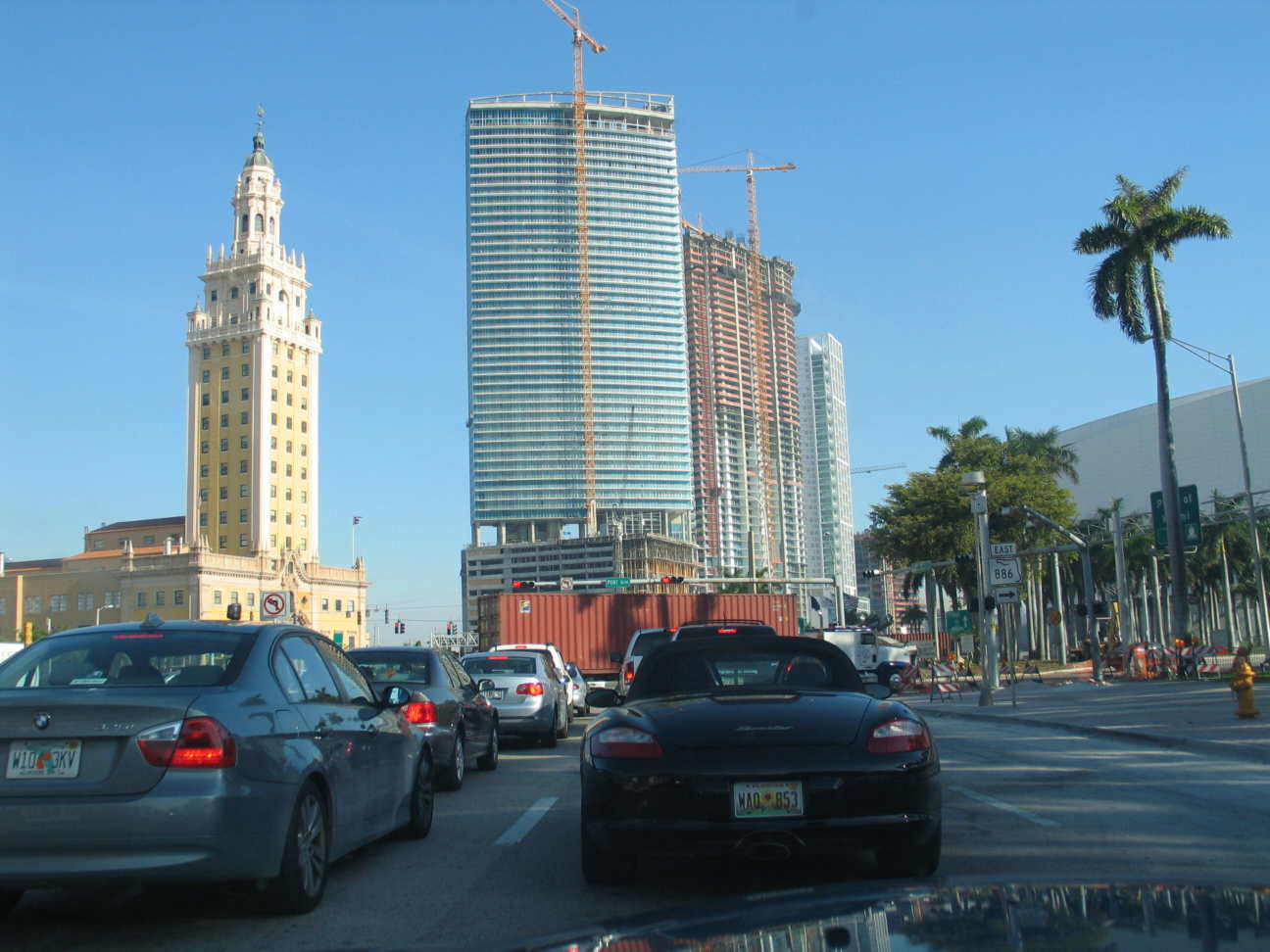
This photo is taken at the very heart of Miami's downtown. The Freedom Tower looks very lonely near the new constructions.

Originally completed in 1925 as the headquarters and printing facility of the Miami News & Metropolis newspaper, it is an example of Mediterranean Revival style with design elements borrowed from the Giralda Tower in Seville, Spain. Its cupola on a 255 foot (78 m) tower contained a decorative beacon.

In the 1950s the Miami News vacated the building to share facilities with the rival Miami Herald. As refugees from the Castro regime arrived in Miami, the federal government used the facility to process, document and provide medical and dental services for the immigrants. After the first major wave of immigration had passed, the government sold the building in the 1970s. Passing through several owners, the dilapidated building was eventually abandoned until 1997 when a prominent and controversial member of the Cuban-American community purchased the building for $4.1 million US.

The building was restored and converted into a monument for the refugees who fled to the United States from communist Cuba. It houses a museum, library, meeting hall, and the offices of the Cuban American National Foundation.

Recently the Freedom Tower was purchased by a developer who wished to demolish 75 feet (23 m) of the original tower and develop 683 condominium units. A group of preservationist organized and successfully stopped the demolition, The developers were unable to gain approval. They then donated the Freedom tower to Miami-Dade College, which plans to use it as a monument to the Cuban community. The city later granted approval to the developers to build on the back of the property without demolishing the original tower.

Freedom Tower

Thursday, April 19, 2007

Fire Rescue Vehicle

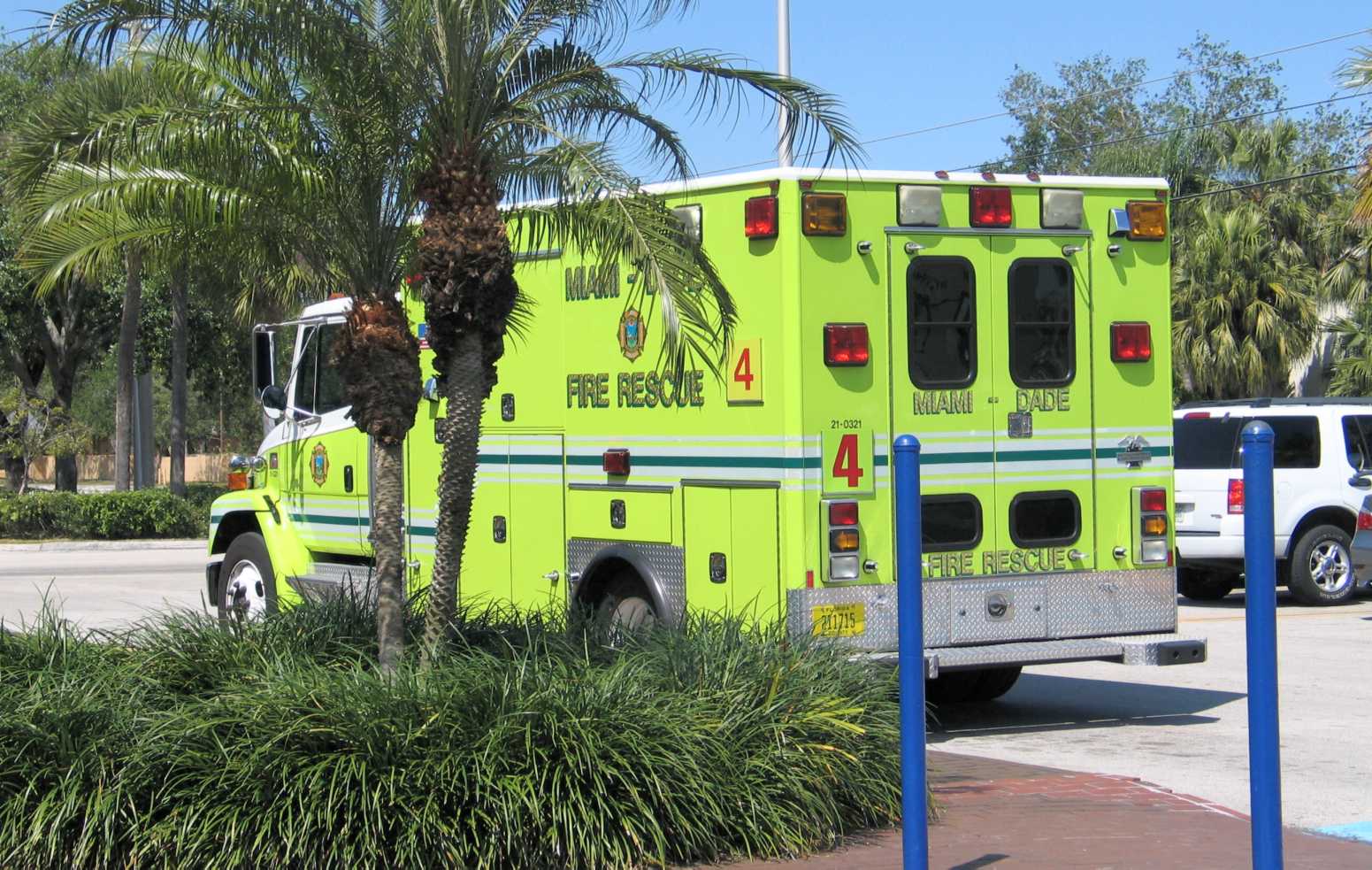
Emergency people need lunch too. I caught this fire rescue truck parked outside a fast food restaurant while the team was having a lunch break inside. When these people are in a real hurry, they make a lot of racket and always scare other traffic to death. They have absolute priority. The king of the road.

Fire Rescue

Wednesday, April 18, 2007

Venetian Causeway

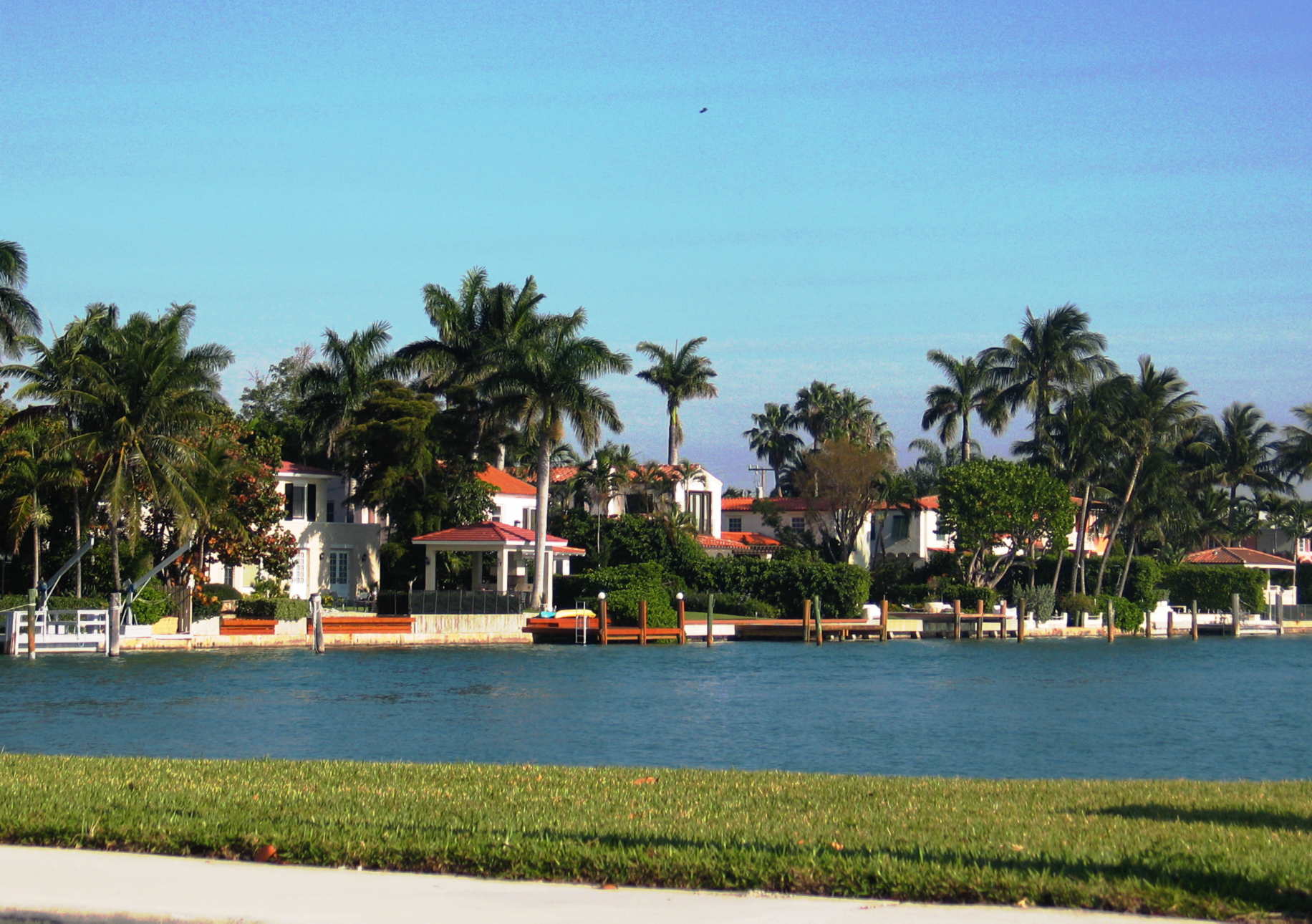
The Venetian Islands are a chain of artificial islands in Biscayne Bay near Miami Beach, Florida. The islands are, from west to east: Biscayne Island, San Marco Island, San Marino Island, Di Lido Island, Rivo Alto Island, and Belle Isle. Flagler Monument Island remains an uninhabited picnic island, originally built in 1920 as a memorial to railroad pioneer Henry Flagler.

The islands are connected by bridges from the Miami mainland to Miami Beach. Today, the Venetian Causeway is a popular stretch for people to jog, ride bikes, walk dogs and stroll. The islands offer residents a suburb feel that is uniquely located between (and within minutes of) Miami Beach's famed South Beach and Miami's new Carnival Center of Performing Arts.

This photo of the abodes of the rich, possibly famous and/or powerful is taken from the San Marco island, on the Venetian Causeway. Maimi Beach is on the left, Miami is on the right and the water is that of Biscayne Bay.

San Marco Island

Tuesday, April 17, 2007

Miami JOB Preview

At the end of every year, in December, Miami has a joyfully wonderful event in its Junior Orange Bowl International Youth Festival. Tonight is when the new year theme is unveiled at the beautiful Venetian pool in Coral Gables. Last year's 2006-2007 Junior Orange Bowl Princess (on the left) and the 2006-2007 Junior Orange Bowl Queen (on the right) are serving out their year and their replacements, 2007-2008 counterparts (young candidates between 12 - 14 years of age) will have the great honor of riding on the Royal Court Float during the 59th Junior Orange Bowl Parade on December 29th, 2007. The two reigning beauty royalties are accompanied by the President (on the left) and Executive Assistant (on the right) of the Junior Orange Bowl Committee.

Beauty Queen & Princess

Monday, April 16, 2007

Flowers for sale

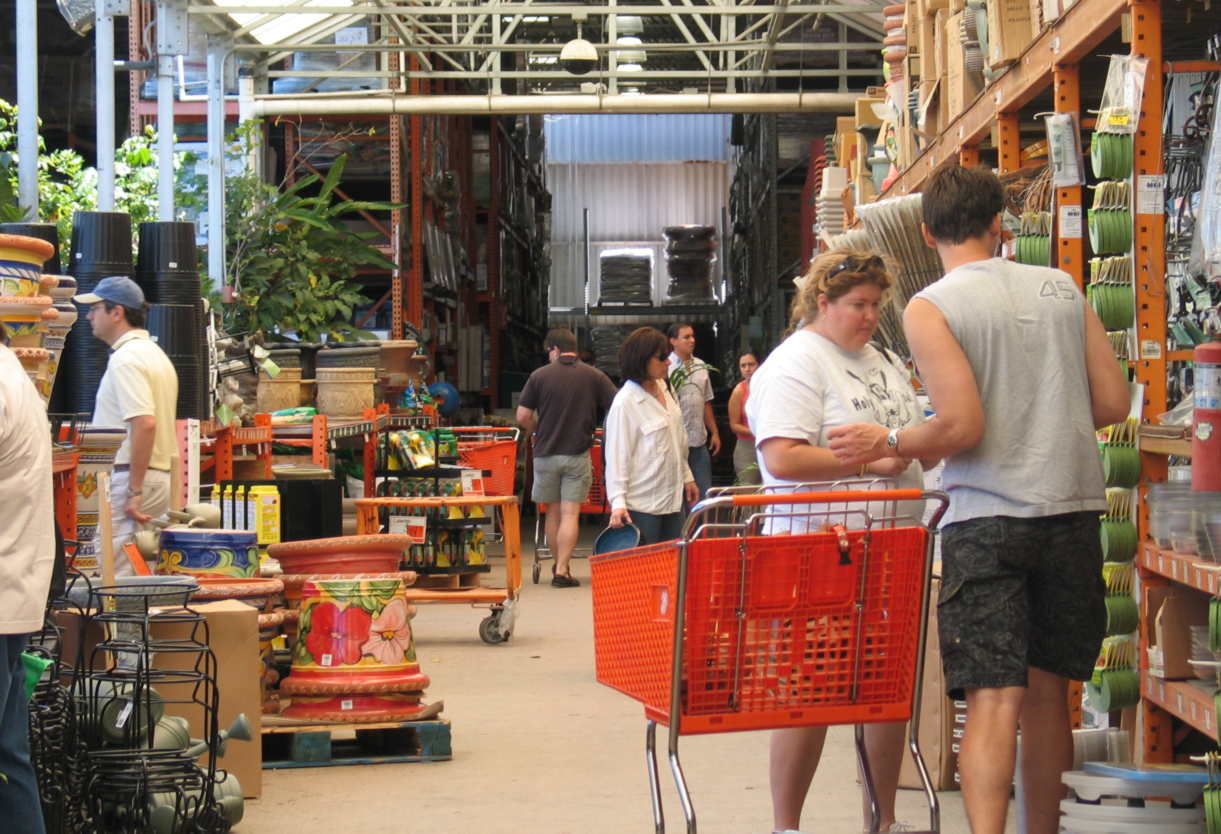
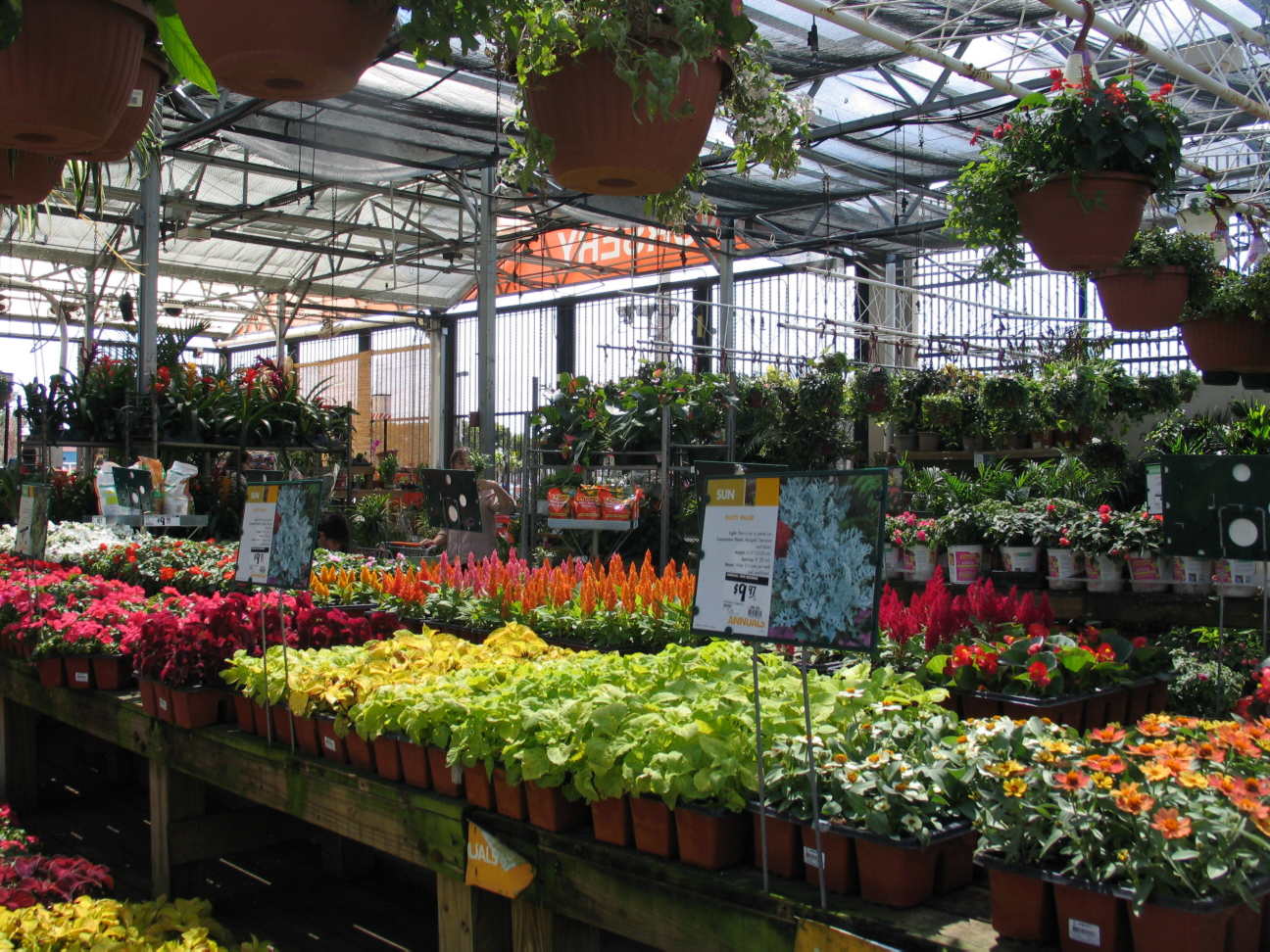
Miami residents spend lots of money in landscaping. Lavish landscaping can cost in the tens or even hundreds of thousands of dollars (that is very true and it is no exaggeration.) Here is a photo taken in the gardening section of a large home supply store. Flowers, flowers and plants everywhere.

Perennials

Sunday, April 15, 2007

Justicia Brandegeeana

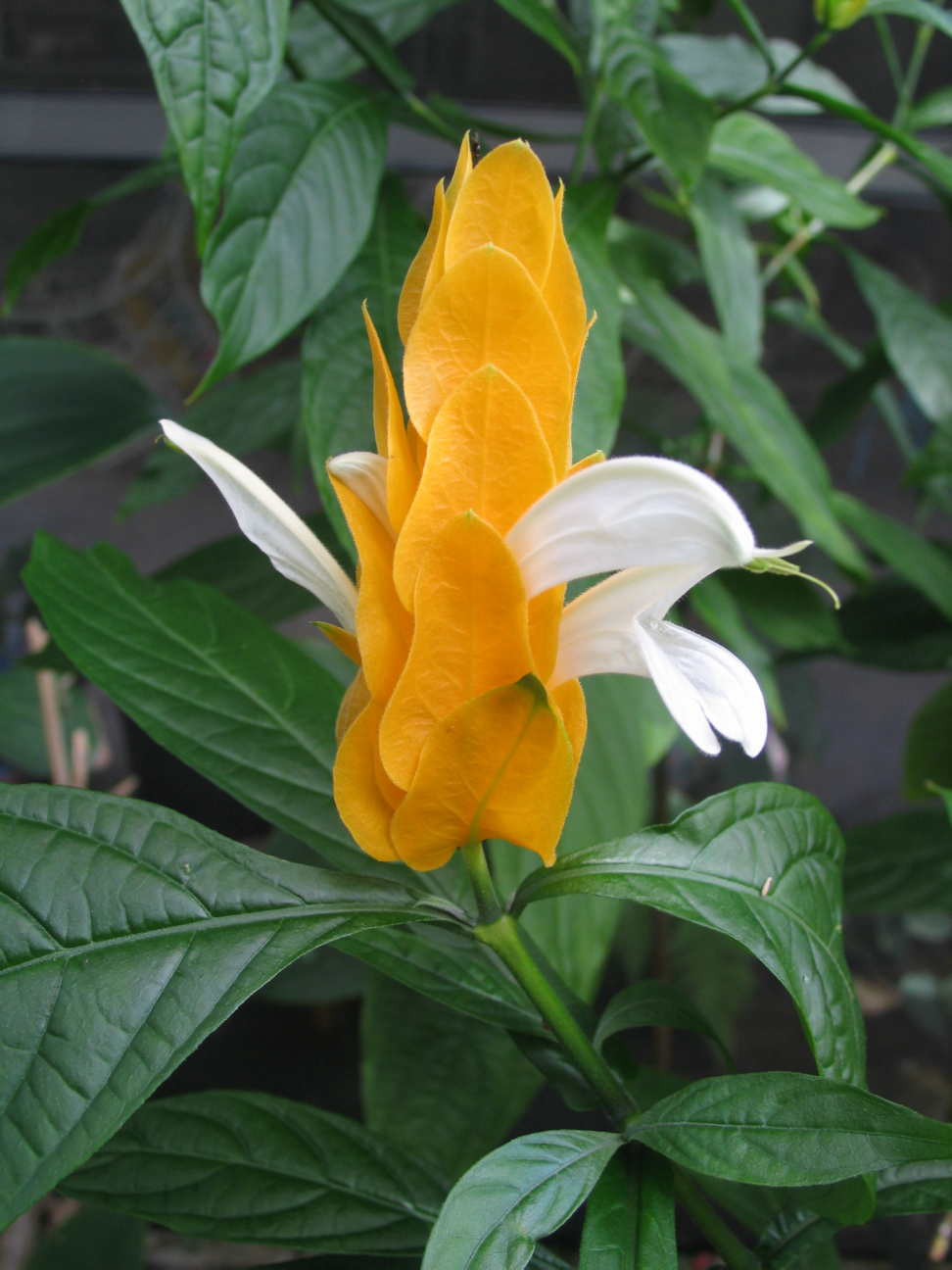
Golden Shrimp Plant (Justicia Brandegeeana,) although it does not look like a shrimp to me, exists in bright yellow "Yellow Queen" and maroon colored.

Girl Inc.

Saturday, April 14, 2007

Vanishing point & Feng Shui

Some ancient (and not so ancient) cultures believed that "shars" or poison arrows travel in straight lines. Therefore, one should avoid straight lines often found in power lines, railroads, walls, rivers and roads. For example, the corner of a neighboring house may be pointed directly at your house. This is a "no no!" There are also traffic or road-related shars, like when your house is at the intersection of two streets, when traffic faces your house, or when your house is built on a curve of a road. Practically speaking, these types of traffic situations are negative because headlights are likely to shine in your windows at night. One remedy would be to build a fence or row of trees/shrubs to shield your home from the road.

I am a scientist, and all I know is the house being "shar'ed" used to belong to a guy in my in-law side. He hurriedly sold this house on 1 acre of prime land for peanuts a dozen years ago after learning about the adverse "shar." Now it is worth US $ 1.5 Million+ just for the land!

Adverse Shar?

Friday, April 13, 2007

Cocos nucifera

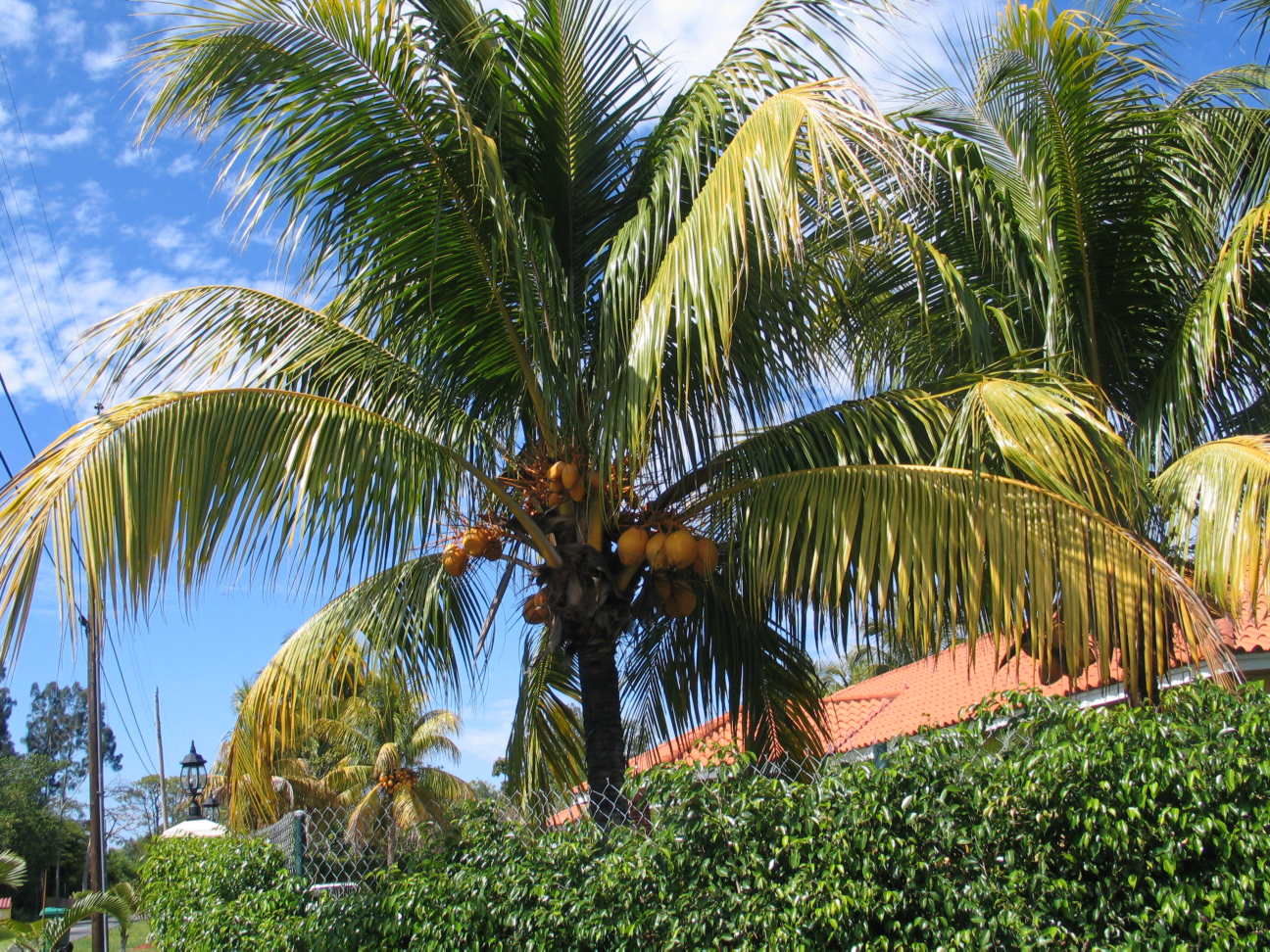
Miami is not complete without its coconut trees. Here is a "Lethal Yellowing Disease" resistant tree with its trademark yellow nuts. Deliciously cold exotic drinks make you want to climb up these trees and the cocos nucifera are everywhere here.

Coconuts

Thursday, April 12, 2007

Schistocerca Americana Nymph

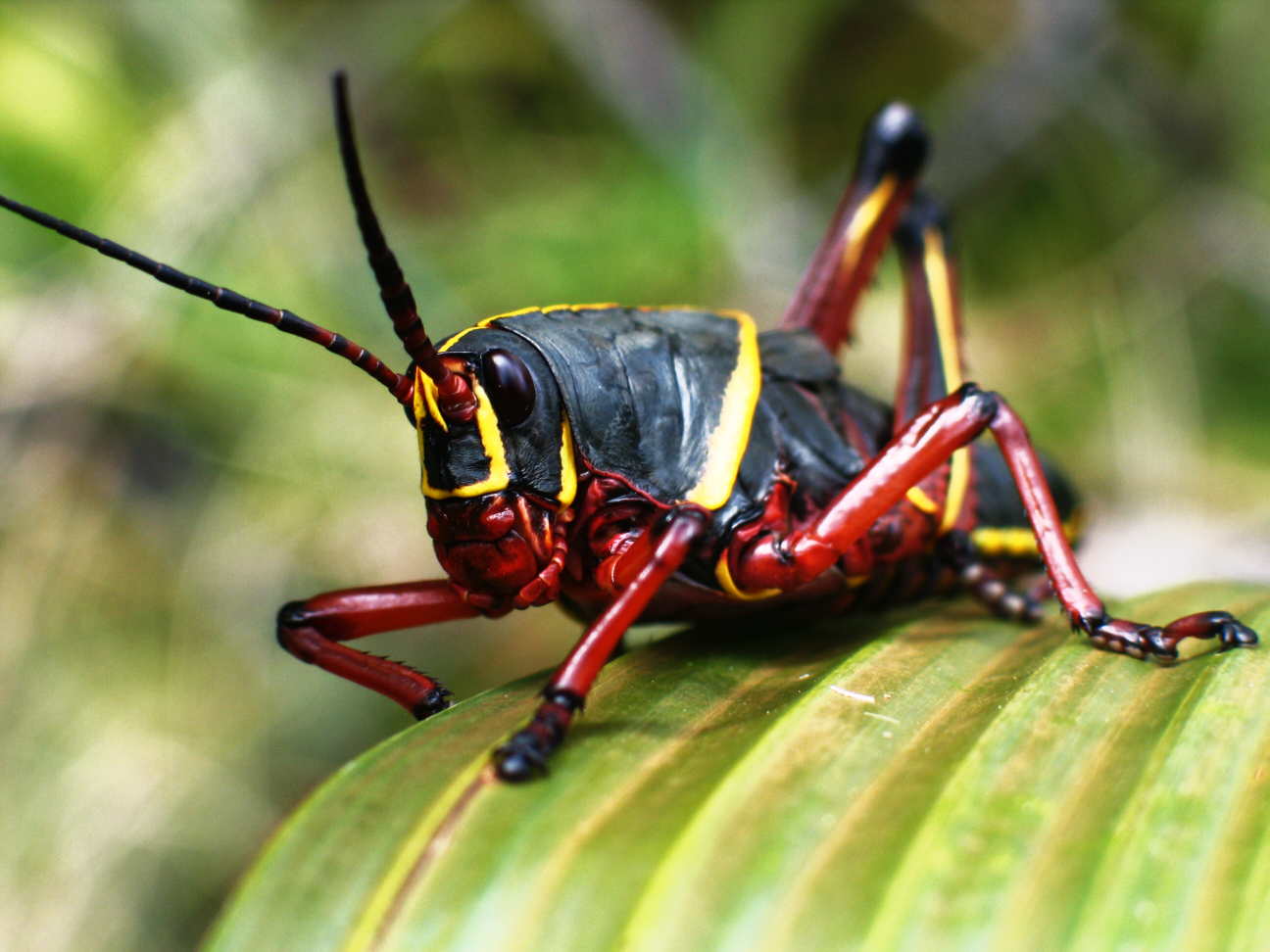
The American grasshopper produces two litters a year and are present year round in Miami. The two hatching periods are from April to May, and again from August to September.

This is one from the recent litter in its "Nymph" (baby) form and it has grown to be the largest at about 2.5 inch compared to its smaller siblings. It is about 3 weeks old (see March 28 blog.) When turning into an adult, it will grow wings and the shining beautiful black and red colors will turn to a more dull greenish yellow.

Schistocerca Americana Nymph

Wednesday, April 11, 2007

Heliconia rostrata

As promised in my March 14 blog, here is the first heliconia that is starting to unfold.

Lobster Claw Heliconia

Tuesday, April 10, 2007

Jackfruit

Jackfruit (Artocarpus Heterophyllus) is widely grown in South and Southeast Asia. It is also grown in parts of central and eastern Africa, Brazil, and Suriname. It is the national fruit of Bangladesh and Indonesia.

The trees grow and fruit well in Miami but can be wiped out if there are prolonged intense cold fronts when the temperatures stay below 40 degrees Fahrenheit (about 4.5 degree Celsius.) The fruits can reach 80 lbs (36 kg) in weight and up to 35 in (90 cm) long and 20 in (50 cm) in diameter. The jackfruit is the largest tree borne fruit in the world.

Jackfruit

Monday, April 9, 2007

Injury Free Mobile

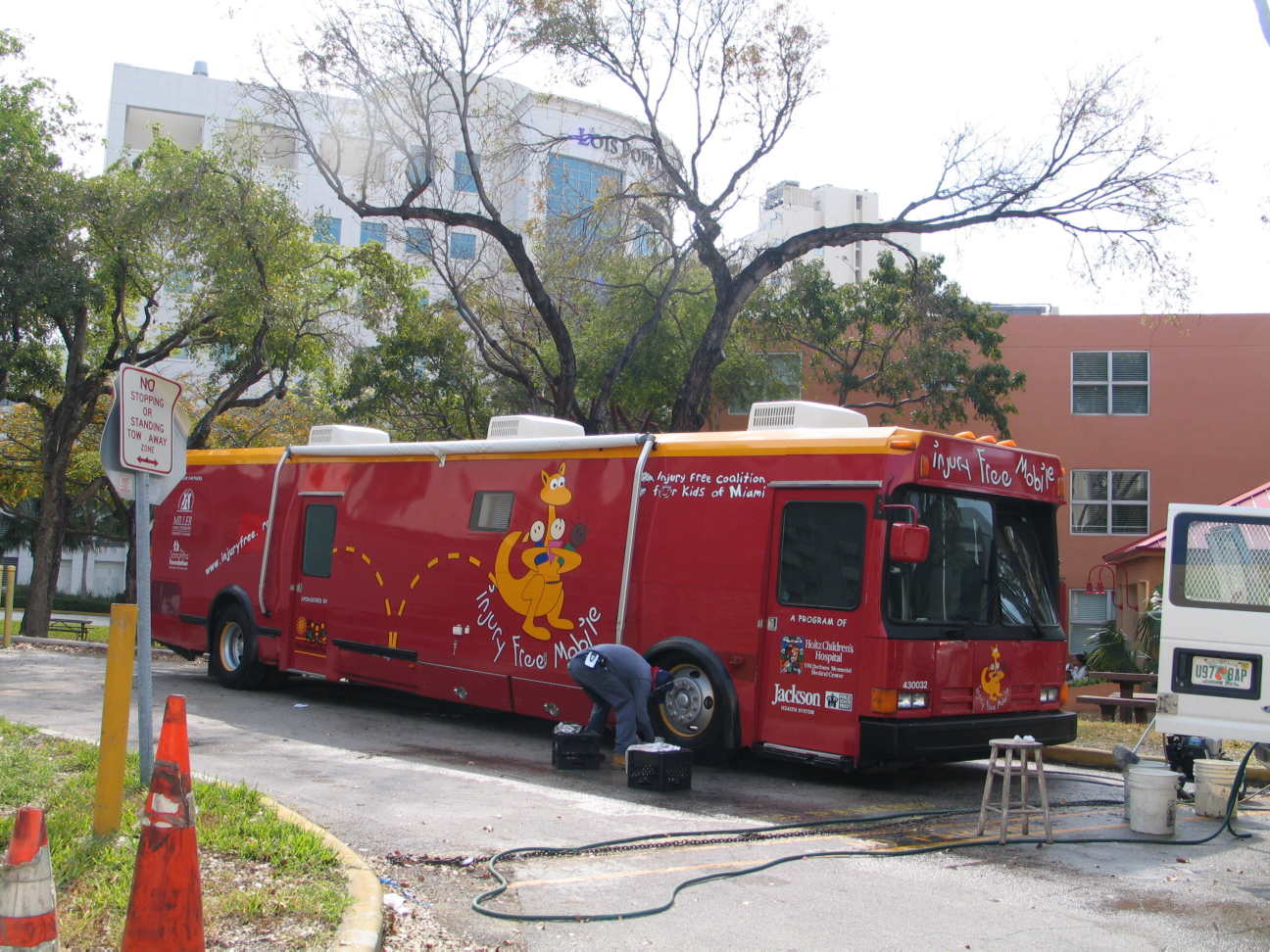
Injury is the leading cause of death for children ages 1-12 years in Miami-Dade County. Deaths represent a fraction of the number of severe injuries that result in hospitalization. Research demonstrates that hands on training of child safety practices and access to affordable safety items significantly increases parent/caregiver knowledge and safety practices of these devices. The Injury Free Mobile offers parents & caregivers with interactive education and skills building in a simulated home setting, and access to low-to-no-cost safety items.

I caught the Injury Free Mobile operated by the Injury Free Coalition for Kids of Miami (which is a Division of Holtz Children's Hospital) this morning at the University of Miami/Jackson Memorial Medical Center (it is a huge complex) being washed and prepared for the next outing.

In the background is the white and modern Lois Pope LIFE Center where the internationally recognized Neuroscience Research Programs are conducted. It brings together all elements of the multi-pronged assault on paralysis and other neurologic disorders, including stroke, brain trauma, and neurodegenerative diseases. It is the home of the Miami Project to Cure Paralysis.

Injury Free Mobile

Sunday, April 8, 2007

Easter Sunday

The arrival of the Vernal Equinox, then the full moon lead to Easter Sunday, but life goes on... This photo was selected over an earlier egg hunt today. The man obviously in distress in the wheelchair is a double amputee.

Double Amputee

Saturday, April 7, 2007

Surrinam Cherries

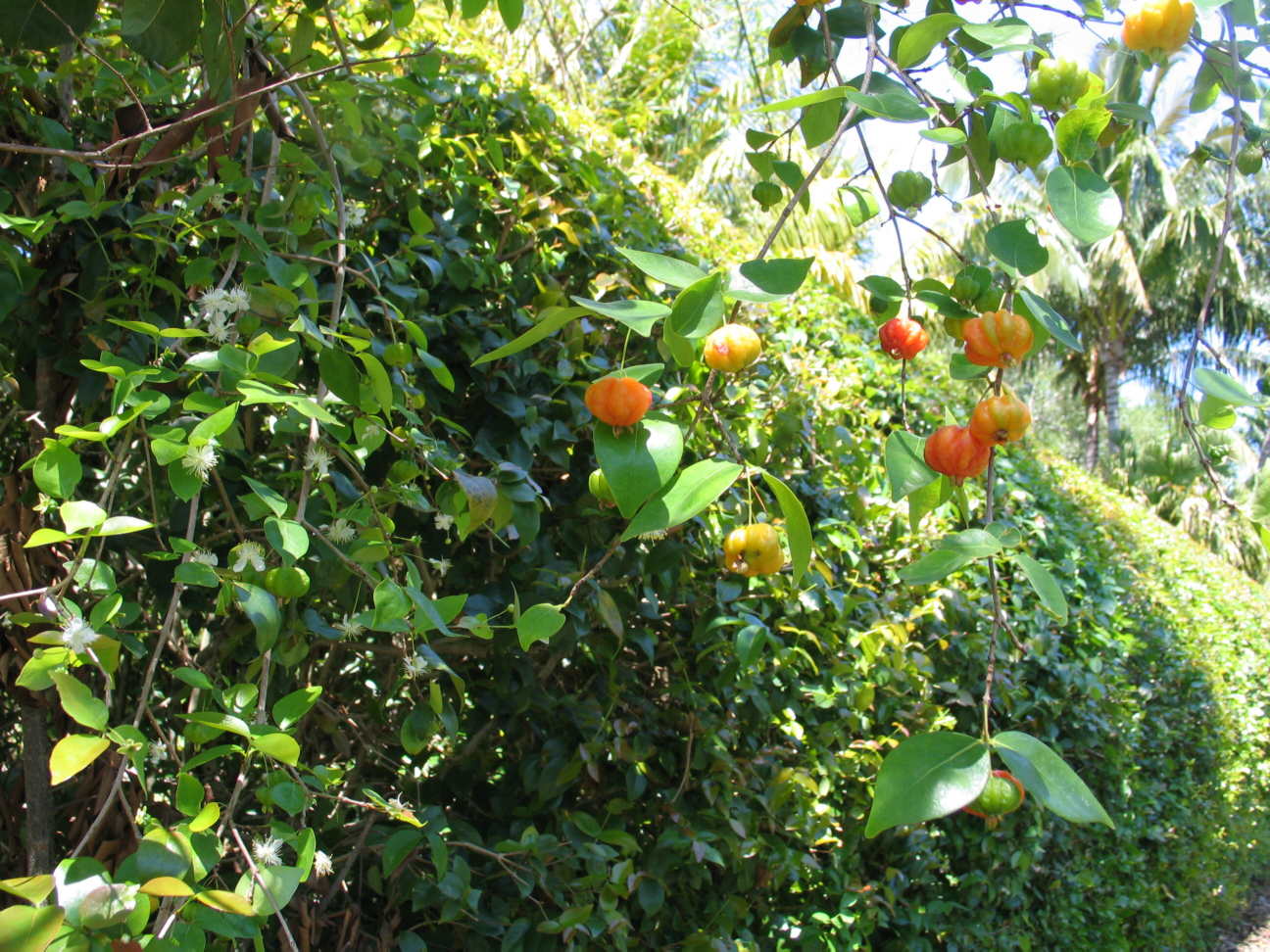
The Surrinam Cherry (Eugenia Uniflora) is native from Surinam, Guyana and French Guiana to southern Brazil (especially the states of Rio de Janeiro, ParaƱa, Santa Catharina and Rio Grande do Sul), and to northern, eastern and central Uruguay. It grows wild in thickets on the banks of the Pilcomayo River in Paraguay. It was first described botanically from a plant growing in a garden at Pisa, Italy, which is believed to have been introduced from Goa, India. Portuguese voyagers are said to have carried the seed from Brazil to India, as they did the cashew. It is cultivated and naturalized in Argentina, Venezuela and Colombia; also along the Atlantic coast of Central America; and in some islands of the West Indies–the Cayman Islands, Jamaica, St. Thomas, St. Croix, Puerto Rico, Cuba, Haiti, the Dominican Republic, and in the Bahamas and Bermuda. In 1918, Britton wrote, in the Flora of Bermuda, that ".. . as it harbors the fruit fly, the tree has been largely cut out in recent years..." It is frequently grown in Hawaii, Samoa, India and Ceylon as an ornamental plant and occasionally in tropical Africa, southern China and in the Philippines where it first fruited in 1911. It was long ago planted on the Mediterranean coast of Africa and the European Riviera. The first Surinam cherry was introduced into coastal Israel in 1922 and aroused considerable interest because it produced fruit in May when other fruits are scarce, and it requires so little care; but over 10 years of observation, the yields recorded were disappointingly small.

In Florida, the Surinam cherry is one of the most common hedge plants throughout the central and southern parts of the state and the Florida Keys. The fruits are today mostly eaten by children. In the past, many people allowed the tree to grow naturally and harvested the fruits for culinary use. For a while, small quantities were sold in Miami markets. In temperate zones, the plant is grown in pots for its attractive foliage and bright fruits.

The fruits develop and ripen quickly, only 3 weeks after the flowers open. In Brazil, the plants bloom in September and fruits ripen in October; they bloom again in December and January. In Florida and the Bahamas, there is a spring crop, March or April through May or June; and a second crop, September through November, coinciding with the spring and fall rains.

Today's photo shows a huge Surinam cherry hedge that is trimmed frequently to form a huge wall which is the photo's background. The trees find a way to fight back all the trimming and here they show their determination to procreate and display beautiful fruits. Looking closely on the left side by enlarging the photo, you will see the white flowers coexisting with the fruits that are still in the unripe state.
Surrinam Cherries

Friday, April 6, 2007

SUVs

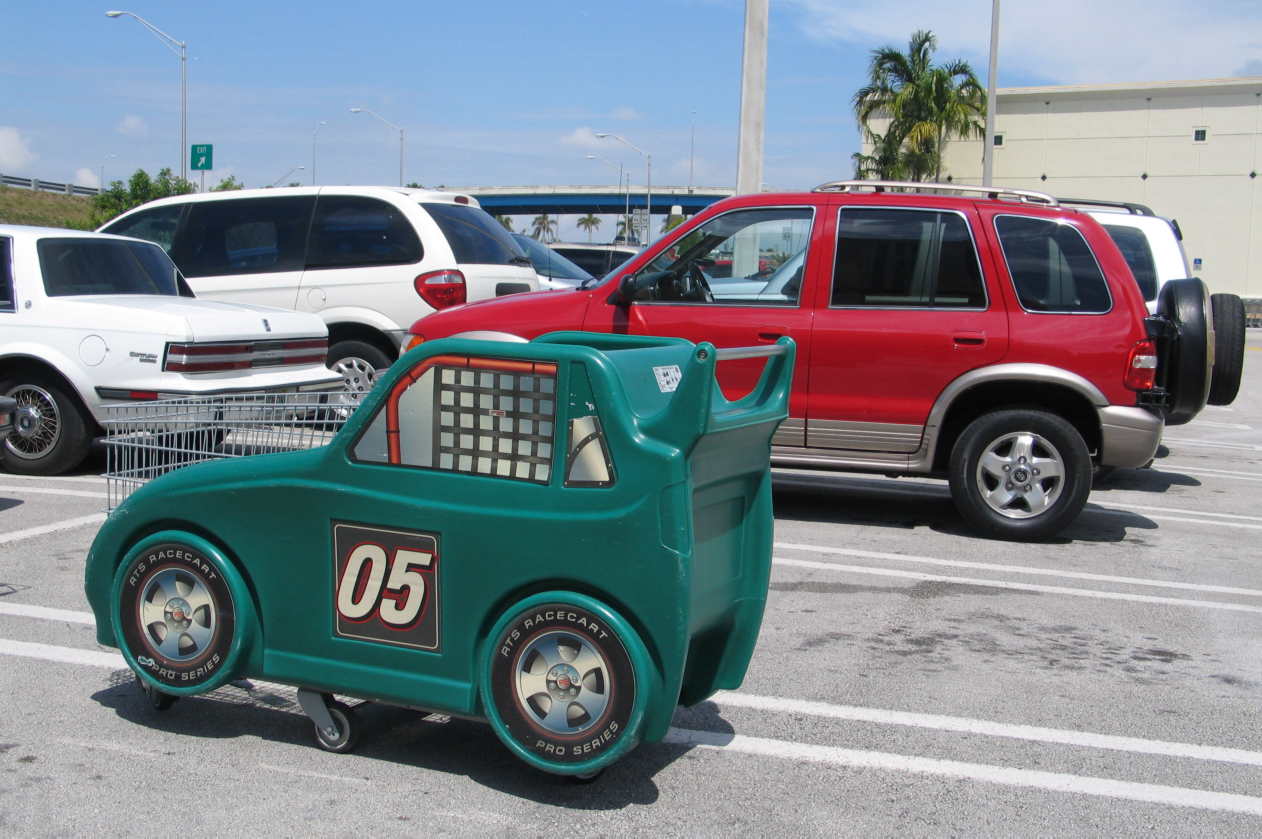
At first look, you'd think this is another SUV! That is the designation for "Sport Utility Vehicle" which is the darling of the American commuters. You can see in this photo some of them in the parking lot, although these are the smaller ones. The roads of Miami (and I am sure anywhere else in the US) are full of SUVs. I hate these huge "mini trucks" especially when they get inside parking garages. Most of the time, they are empty with only one driver.

This photo is taken outside a large grocery chain in Miami. The "mini SUV" is a grocery cart in disguise so mothers (and fathers too) can do their grocery shopping and keep their small kids happy. The real shopping cart is at the front, and the kids sit in the "car" to pass their time.

SUVs

Thursday, April 5, 2007

Paying through the nose

There is a saying "Paying Through The Nose" for something that you pay a very high price. We are doing it for gas. The origin of this colorful colloquial expression could be a reference to "The Danish poll tax on the Irish in the ninth century: The story goes that the Danes slit the noses of non-payers," or "The Vikings required the payment of tribute from cities they did not raid. If the king refused to pay they would slit their noses so they pay through the nose." Perhaps our Scandinavian daily photo friends can chime in.

This morning, I filled up my small car which uses, unfortunately, premium, the most expensive gas at the pumps. For 12.057 US gallons (about 45.6 liters) the cost was US $34.95 Of course, there is no more service anywhere at gas stations in Miami and people pump their own gas. I know, I know, it is still cheaper than many cities of Europe, but I want to move to Dubai.

Paying through the nose

Wednesday, April 4, 2007

Miami Artist

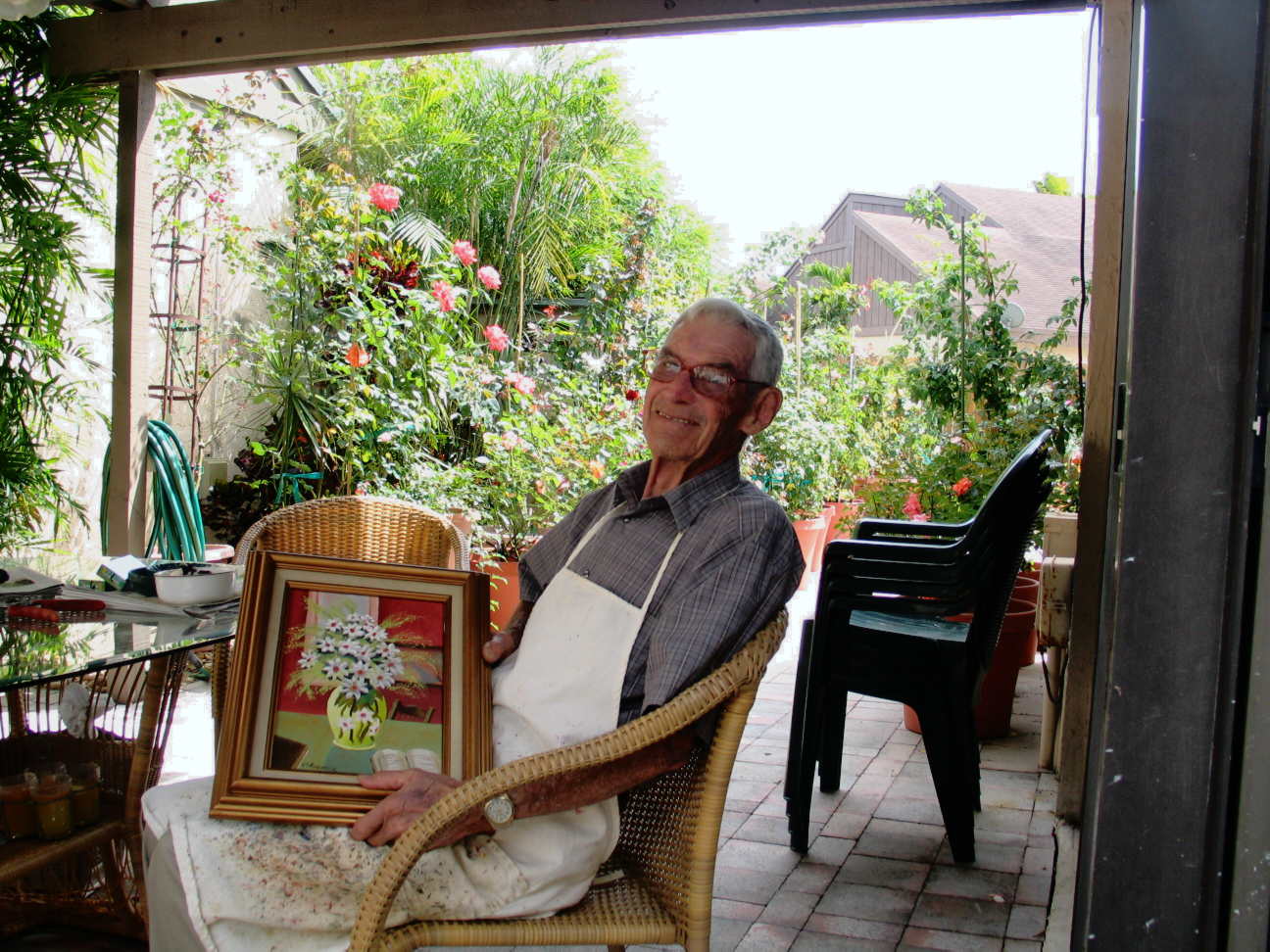
It's a rainy (just a wee bit, not much) morning in Miami. I feel like escaping from my office for some time off and decided to visit my artist friend. Luckily, he just finished his latest painting and invited me to take a look. My friend does not think that this frame is suitable, but it's used only temporarily here while waiting for the paint to dry. He will need to add four more coats of varnish so he told me.

I love all his paintings and have four of his work in my office, all as gracious gifts. The colors are always exquisite. He also grows beautiful roses as seen in the background.

My friend the artist

Tuesday, April 3, 2007

Miami Taxicab

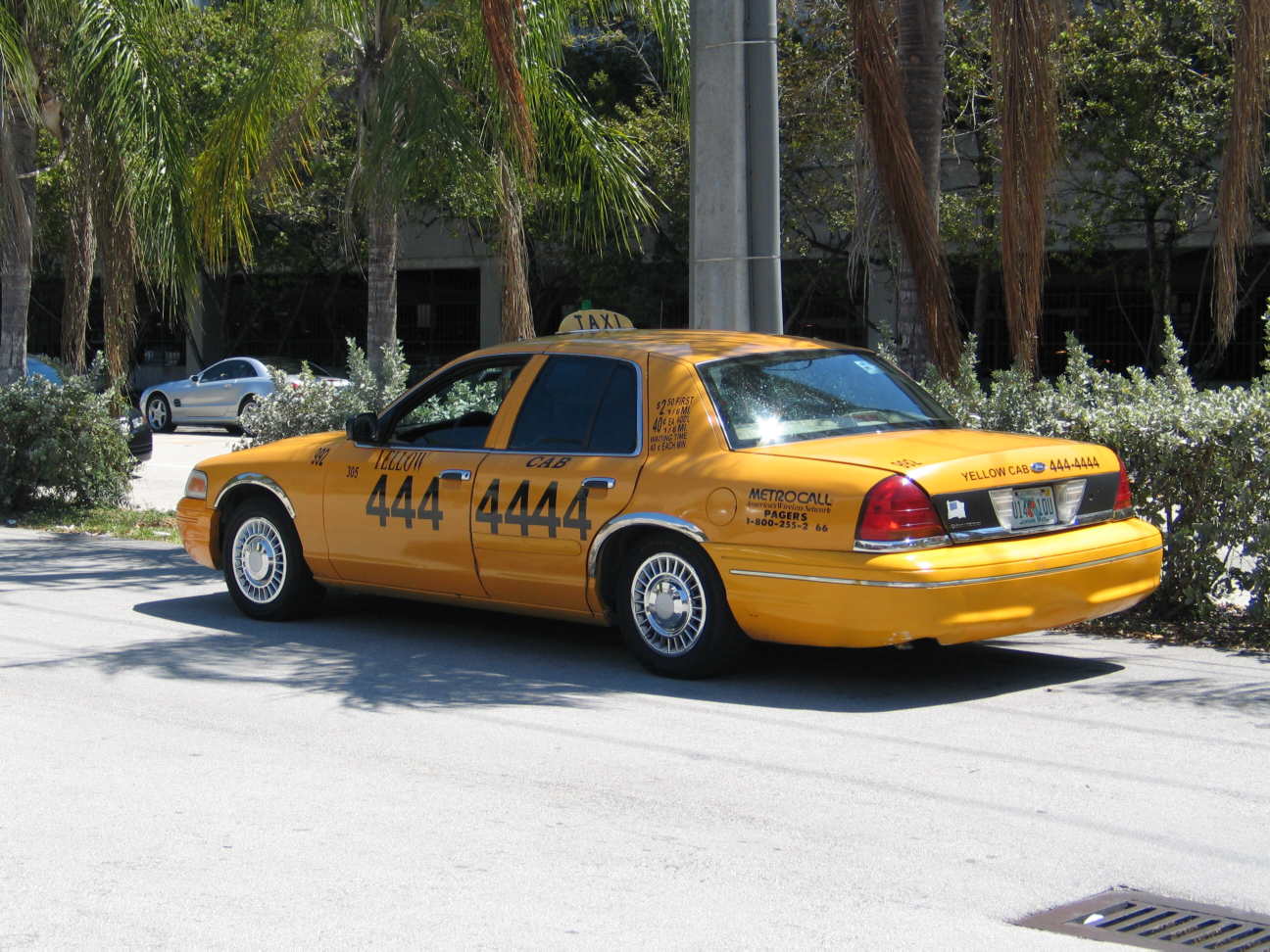
Taxicabs are usually owned by a large taxicab service and operated by an employee of the company (a taxi driver.) There are many taxicab service companies in Miami and the Yellow Cab is one such company. The rides are not cheap when compared to a city bus ride which costs US $1.50 A taxi ride in this yellow cab costs $ 4.50 for the first mile and $ 2.40 each additional mile. If the taxi driver must wait for you, each waiting minute costs $2.00 Most of the cabs are air conditioned which is an absolute must in Miami. Some of the taxi drivers may take un-necessary detours to inflate the meter if they think you are a visiting tourist. Most of the taxi cabs are well maintained and safe thanks to strict government regulations and fierce business competition. For instant recognition, they are all painted yellow as seen in this photograph.
Yellow Taxi

Monday, April 2, 2007

Worship in Miami

This is no Sacre Coeur, Notre Dame de Paris, St. Paul Cathedral in London, Basilica di San Marco in Venice, Duomo of Florence, St. Peter's Basilica of Rome... This is Miami, and this is the Fellowship Church where Easter service will take place on Sunday April 8th. There are many, many more that look just like it but representing numerous different (and competing) church denominations in the US and in Miami in particular. These are the places for church goers to meet and worship on Sundays as well as to participate in other religious events.

Fellowship Church

Sunday, April 1, 2007

April's Fool

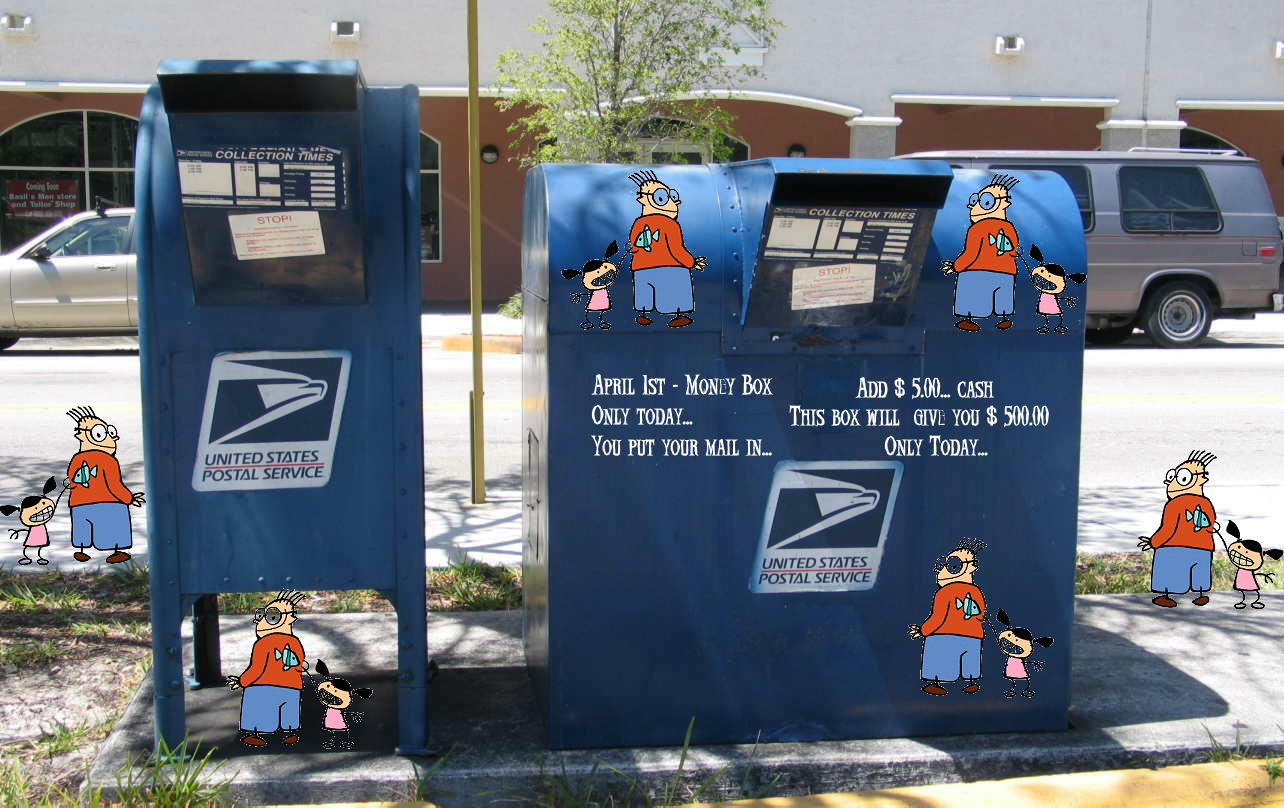
This is to observe the theme of the day: a public mail box. I had to visit no less than 7 road side boxes to find one that is clean enough for my taste. The mail boxes located at various locations (usually at office buildings, or just outside post offices) are mostly in bad shape, filthy, covered with dust and/or have faded and peeled off notices of pick up dates/times.

This is a clean pair outside a post office in South Miami.

Poisson d'Avril